LICQual Diploma in Emergency Medical Response

ICT logo
LICQual Diploma in Emergency Medical Response

Course Level

Diploma

Course Type

Non- Ofqual

Awarding Body

LICQual

Credits

36

Study Mood

Online

Assessment

Assignments Based

Course Overview

What is this course

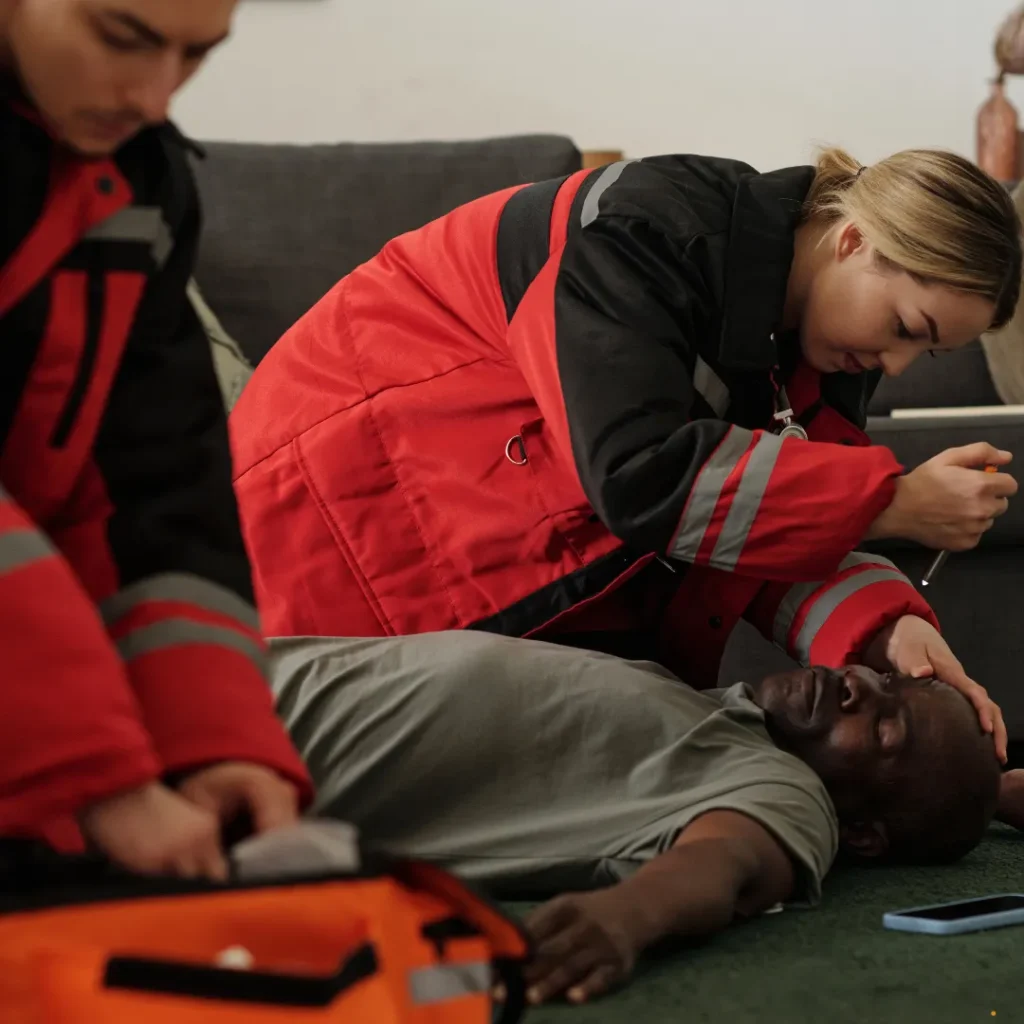
The LICQual Diploma in Emergency Medical Response is a comprehensive training program designed to equip learners with the essential knowledge and practical skills required to respond effectively in medical emergencies. The course focuses on developing the ability to assess critical situations, provide immediate life-saving care, and support patients until professional medical services arrive. It is ideal for individuals who want to pursue a career in emergency response or enhance their ability to help others during urgent situations.

This diploma combines theoretical knowledge with practical training to ensure participants gain confidence in handling real-life emergencies. Learners are introduced to key topics such as basic life support, patient assessment, trauma care, first aid techniques, and emergency communication. The program emphasizes quick decision-making, teamwork, and the ability to remain calm under pressure, which are essential qualities for effective emergency responders.

By completing the LICQual Diploma in Emergency Medical Response, participants will be better prepared to act swiftly and responsibly during medical crises in workplaces, communities, or public settings. The qualification not only improves personal confidence and emergency preparedness but also opens pathways to further training and opportunities in the healthcare and emergency services sector. This course ultimately empowers individuals with the skills needed to save lives and make a meaningful difference in critical moments.

Course Content

Detailed Curriculum Structure

This qualification LICQual Diploma in Emergency Medical Response, consists of 6 mandatory units.

  • Advanced Patient Assessment and Diagnosis
  • Fundamentals of Emergency Medical Response
  • Trauma Management and Critical Care
  • Cardiopulmonary Resuscitation (CPR) and Advanced Life Support
  • Medical Emergencies and Crisis Management
  • Legal, Ethical, and Professional Considerations in Emergency Medical Response

Learning Objectives

By the end of this course, learners will be able to:

Advanced Patient Assessment and Diagnosis

  • Conduct a comprehensive patient assessment, including evaluating vital signs, medical history, and physical examination.
  • Identify and interpret common signs and symptoms of various medical conditions in emergency situations.
  • Apply clinical reasoning and prioritization skills to determine appropriate treatment interventions.
  • Demonstrate the ability to make quick, accurate decisions to manage the patient’s condition in a time-critical environment.

Fundamentals of Emergency Medical Response

  • Understand the essential roles and responsibilities of emergency medical responders in a variety of emergency settings.
  • Demonstrate proficiency in basic first aid techniques and the principles of triage.
  • Respond effectively to emergency situations, ensuring rapid assessment and appropriate care.
  • Recognize the importance of communication and teamwork in emergency medical response scenarios.

Trauma Management and Critical Care

  • Apply advanced trauma management techniques to treat various injuries, including fractures, head trauma, and spinal injuries.
  • Stabilize patients experiencing severe bleeding, shock, and other life-threatening conditions.
  • Demonstrate the ability to manage multiple trauma patients in high-pressure environments.
  • Utilize advanced equipment and techniques for patient stabilization during critical care situations.

Cardiopulmonary Resuscitation (CPR) and Advanced Life Support

  • Perform high-quality CPR for adults, children, and infants in emergency cardiac situations.
  • Effectively use Automated External Defibrillators (AEDs) as part of a resuscitation protocol.
  • Provide advanced life support interventions, including airway management, advanced breathing techniques, and pharmacological treatments.
  • Demonstrate the ability to assess and manage patients in need of advanced resuscitation, ensuring the best possible outcome.

Medical Emergencies and Crisis Management

  • Identify and assess common medical emergencies such as heart attacks, strokes, diabetic emergencies, and asthma attacks.
  • Implement effective interventions to stabilize patients during medical emergencies.
  • Manage multi-patient situations, coordinating care and prioritizing treatment in high-stress environments.
  • Collaborate with other healthcare professionals and emergency services to ensure efficient and effective crisis management.

Legal, Ethical, and Professional Considerations in Emergency Medical Response

  • Understand and apply the legal and ethical responsibilities of emergency medical responders, including patient consent and confidentiality.
  • Demonstrate knowledge of relevant laws, regulations, and professional standards governing emergency medical practice.
  • Make informed, ethical decisions when faced with dilemmas in emergency situations.
  • Document and report patient care in accordance with legal and organizational guidelines, ensuring compliance and professionalism.

Who Should Attend

Target Audience and Participants

The LICQual Diploma in Emergency Medical Response is designed for individuals who want to develop practical skills to respond effectively in medical emergencies. It is suitable for people working in safety-critical environments or those interested in starting a career in emergency medical services.

  • Individuals interested in emergency medical or healthcare careers.
  • Workplace safety officers and health & safety professionals.
  • Security personnel and rescue team members.
  • Community volunteers involved in disaster or emergency response.
  • Teachers and sports coaches responsible for student safety.
  • Industrial and construction workers who may face workplace emergencies.
  • Anyone who wants to gain life-saving skills and respond confidently in emergencies.

Career & Learning Benefits

Skills, Knowledge & Opportunities You Will Earn

The LICQual Diploma in Emergency Medical Response provides learners with essential knowledge and practical skills to handle medical emergencies effectively. This course helps individuals build confidence, improve safety awareness, and prepare for real-life emergency situations.

  • Gain practical skills to respond quickly in medical emergencies.
  • Learn life-saving techniques such as basic life support and first aid.
  • Improve confidence and decision-making during critical situations.
  • Enhance career opportunities in healthcare and emergency services.
  • Develop strong teamwork and communication skills in emergencies.
  • Increase workplace safety by being prepared for accidents or injuries.
  • Receive a recognized qualification that supports professional growth

Need More Information?

Frequently Asked Questions Explained

Yes, the course usually includes practical training sessions that allow learners to practice emergency response techniques in controlled environments. These sessions may involve simulations, demonstrations, and hands-on exercises to help participants develop confidence and competence in real-life emergency situations.

Participants are typically assessed through a combination of methods such as written assignments, knowledge-based assessments, and practical demonstrations of emergency response skills. This approach ensures that learners understand the theoretical concepts and can also apply them effectively in practice.

Yes, the knowledge and practical skills gained through this course can significantly improve an individual’s ability to respond to accidents and medical emergencies. Participants can play an important role in promoting safety, providing immediate care, and supporting emergency response efforts in workplaces, public environments, and communities.

This course focuses on practical knowledge that can be applied during real emergencies. Participants learn how to assess a situation, provide immediate assistance to injured or ill individuals, and take appropriate actions until professional medical help arrives. The training encourages quick thinking, confidence, and responsible decision-making.

Completing this diploma can enhance professional skills and demonstrate a strong commitment to safety and emergency preparedness. Many employers value individuals who have training in emergency response because it shows responsibility, leadership, and the ability to act effectively during critical situations.

Enrollment Criteria

Minimum Eligibility Criteria for Enrollment

  • Interest in healthcare, emergency response, or first aid.
  • Basic English reading and communication skills
  • 18 years of age
  • Basic secondary education or equivalent qualification.
  • Physically and mentally fit to participate in practical training

Lock In Your Spot

Get in Touch

+44 2035 764371

+44 7441 396751

info@ictqual.co.uk

www.inspirecollege.co.uk

Similar Posts