Build the skills to protect the environment, ensure compliance, and advance your career with globally recognized environmental management qualifications.
Whether you’re starting your journey or upgrading your expertise, our courses are designed to help you succeed in today’s sustainability-driven world.
👉 Enroll Today | Get Certified | Advance Your Career
What is Environmental Management?
Environmental management is a structured and strategic approach used by organizations to identify, control, and reduce their impact on the environment while maintaining efficient and sustainable operations.
It involves integrating environmental considerations into everyday business activities, ensuring that resources are used responsibly and environmental risks are effectively managed.
At its core, environmental management focuses on balancing economic performance, environmental protection, and social responsibility a concept often referred to as sustainability.
Core Elements of an EMS
An effective Environmental Management System is built on several key components:
✔ Environmental Policy
A clear statement outlining an organization’s commitment to environmental protection, sustainability, and compliance with legal requirements.
✔ Planning & Risk Assessment
Identifying environmental aspects and impacts, evaluating risks, and setting measurable environmental objectives and targets.
✔ Implementation & Operational Control
Establishing procedures, responsibilities, and controls to manage environmental risks and ensure smooth execution of environmental policies.
✔ Performance Monitoring & Measurement
Tracking key indicators such as energy usage, emissions, and waste to evaluate environmental performance and identify improvement areas.
✔ Compliance Obligations
Ensuring adherence to environmental laws, regulations, and industry standards to avoid legal risks and maintain credibility.
✔ Internal Audits & Reviews
Regular audits and management reviews to assess system effectiveness and ensure continuous improvement.
The Continuous Improvement Cycle (PDCA)
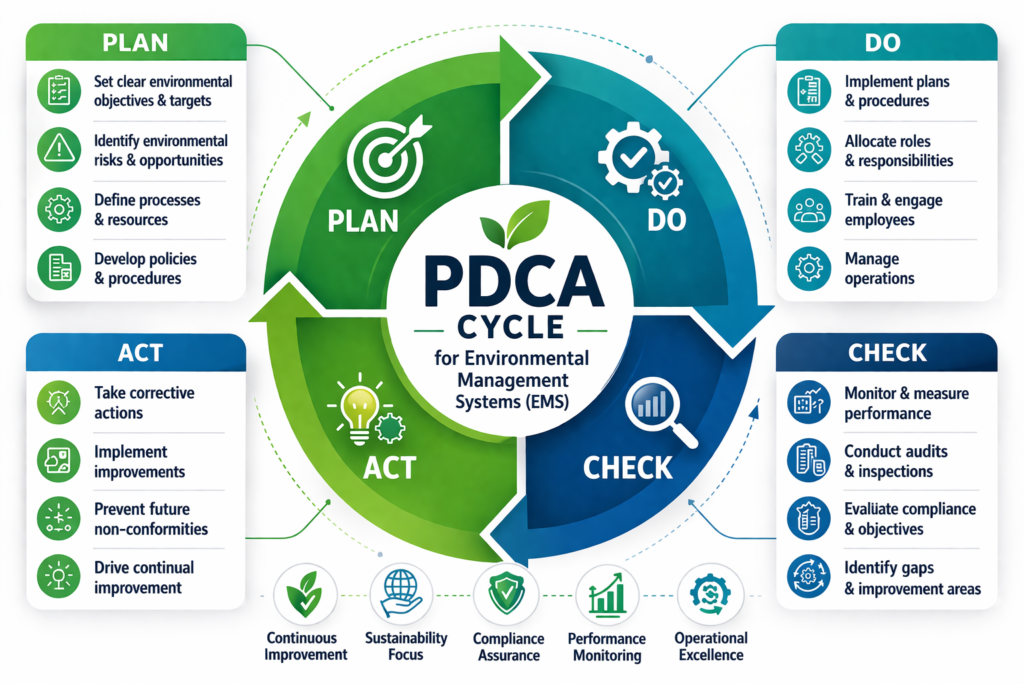
A fundamental principle of an Environmental Management System (EMS) is continuous improvement, which is commonly implemented through the Plan–Do–Check–Act (PDCA) cycle.
Key Stages of the PDCA Cycle
- Plan
Establish clear environmental objectives, identify potential risks and opportunities, and design structured processes to achieve desired environmental outcomes. - Do
Execute the planned strategies by implementing policies, procedures, and controls to effectively manage environmental responsibilities. - Check
Continuously monitor and measure performance against defined objectives, ensuring compliance and identifying areas for improvement. - Act
Implement corrective and preventive actions to address gaps, refine processes, and drive ongoing environmental performance improvement.
This cycle ensures that environmental performance is not static but continuously evolving and improving over time.
Lifecycle Thinking in EMS
Modern environmental management also incorporates lifecycle thinking, which means evaluating environmental impacts at every stage of a product or service lifecycle from raw material sourcing to production, distribution, use, and disposal.
This approach helps organizations:
- Reduce waste across the entire value chain
- Improve sustainability at every stage
- Make informed, environmentally responsible decisions
Benefits of Implementing an EMS
Organizations that implement an Environmental Management System can achieve:
- Reduced environmental impact and carbon footprint
- Improved resource efficiency and cost savings
- Stronger legal and regulatory compliance
- Enhanced corporate reputation and stakeholder trust
- Competitive advantage in sustainability-driven markets
Why Environmental Management Matters Today
In today’s world, environmental management has become a critical priority due to:
- Increasing concerns about climate change
- Stricter environmental regulations
- Growing demand for sustainable business practices
- Rising awareness among consumers and stakeholders
Organizations that adopt effective environmental management practices not only reduce their environmental footprint but also gain competitive advantages, cost savings, and enhanced brand reputation.
Environmental Management in Practice
Many organizations implement formal systems such as Environmental Management Systems (EMS), including internationally recognized frameworks developed by the
International Organization for Standardization, to manage their environmental responsibilities effectively.
These systems provide a clear structure for planning, implementing, monitoring, and improving environmental performance over time.
Environmental management is not just about compliance it is about creating a sustainable future. By adopting responsible practices today, organizations contribute to global efforts in protecting the environment while ensuring long-term business success.
What is an Environmental Management System (EMS)?
An Environmental Management System (EMS) is a formal, structured framework that enables organizations to systematically manage, monitor, and improve their environmental performance.
It provides a clear process for identifying environmental impacts, setting objectives, implementing controls, and continuously improving sustainability practices across all operations.
The most widely recognized EMS standard is ISO 14001, developed by the International Organization for Standardization. This globally accepted standard helps organizations establish effective environmental policies and achieve consistent compliance with regulatory requirements.
Key Functions of an EMS
An effective Environmental Management System supports organizations in:
✔ Identifying Environmental Risks and Impacts
Recognizing how business activities affect the environment, including pollution, waste generation, and resource consumption.
✔ Setting Environmental Objectives and Sustainability Goals
Establishing measurable targets to reduce environmental impact and improve overall performance.
✔ Improving Resource Efficiency
Optimizing the use of energy, water, and raw materials to reduce waste and operational costs.
✔ Ensuring Legal and Regulatory Compliance
Maintaining compliance with environmental laws, standards, and industry regulations to avoid penalties and reputational risks.
✔ Driving Continuous Improvement
Regular monitoring, auditing, and reviewing processes to enhance environmental performance over time.
Why is Environmental Management Important?
Environmental management plays a critical role in modern industries.
Key Benefits:
With increasing global focus on climate change, professionals with environmental expertise are in high demand.
Our Environmental Management Courses
We offer a comprehensive range of Environmental Management Diploma qualifications from Level 3 to Level 8, designed to support learners from entry-level to senior leadership positions.
Our programs are aligned with global best practices, including standards developed by the
International Organization for Standardization, ensuring your qualification is both relevant and internationally recognized.
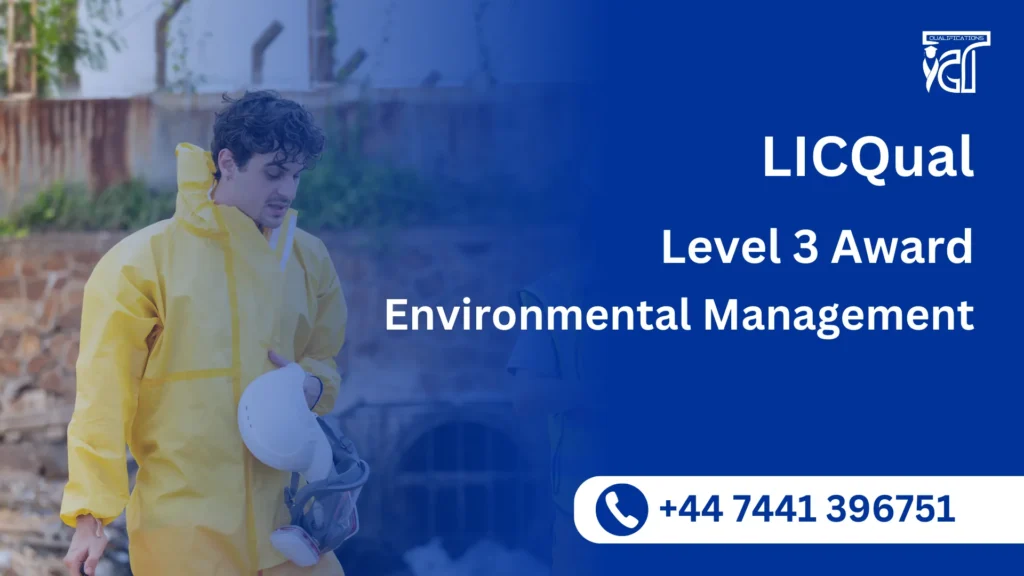
Level 3 Diploma in Environmental Management
This entry-level diploma is ideal for individuals beginning their journey in environmental management and sustainability.
What you’ll learn:
- Fundamental environmental concepts and issues
- Introduction to environmental risks and controls
- Basic sustainability principles
- Workplace environmental responsibilities
Key benefits:
✔ No prior experience required
✔ Strong foundation for career progression
✔ Flexible learning options
✔ Recognized entry-level qualification
👉 Start Your Career in Environmental Management
Level 4 Diploma in Environmental Management
Designed to build on foundational knowledge, this diploma provides practical skills for applying environmental management in real-world settings.
Course focus:
- Environmental impact and risk assessment
- Resource efficiency and waste management
- Environmental legislation and compliance basics
- Sustainable workplace practices
Why choose this level:
✔ Practical and industry-relevant knowledge
✔ Enhances career opportunities
✔ Prepares for supervisory roles
👉 Strengthen Your Environmental Expertise
Level 5 Diploma in Environmental Management
Ideal for professionals aiming to progress into supervisory or mid-level management roles.
What you’ll gain:
- Environmental policy development
- Legal compliance and regulatory frameworks
- Risk assessment and control strategies
- Performance monitoring and improvement
Key advantages:
✔ Career-focused curriculum
✔ In-demand professional skills
✔ Globally recognized qualification
👉 Advance Your Career
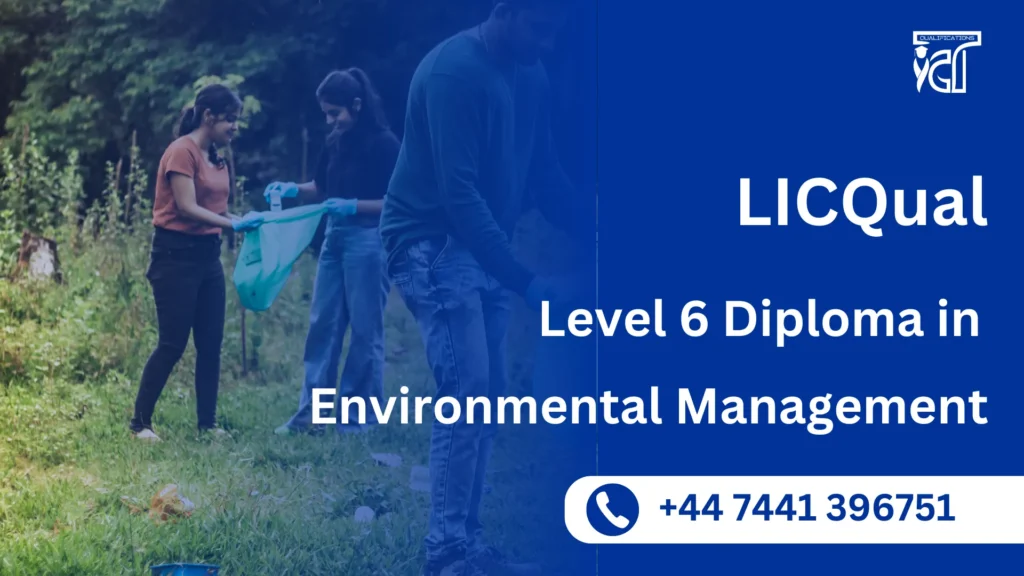
Level 6 Diploma in Environmental Management
Designed for experienced professionals seeking leadership and strategic roles.
Core areas covered:
- Strategic environmental planning
- Advanced compliance and governance
- Environmental auditing and reporting
- Sustainability integration in organizations
Benefits:
✔ Prepares for senior management roles
✔ Develops leadership and decision-making skills
✔ Enhances professional credibility
👉 Move Into Leadership Positions
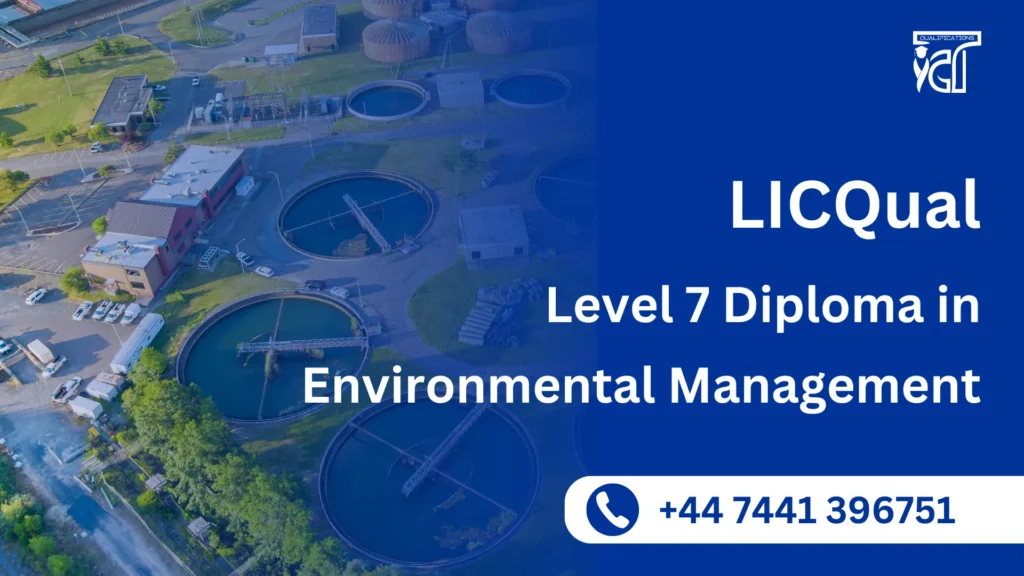
Level 7 Diploma in Environmental Management
A postgraduate-level qualification for senior professionals and consultants.
What you will master:
- Advanced environmental systems and frameworks
- Strategic sustainability management
- Policy development and global trends
- Leadership in environmental transformation
Why it stands out:
✔ High-level professional recognition
✔ Ideal for consultancy roles
✔ Strong career progression opportunities
👉 Become a Sustainability Expert
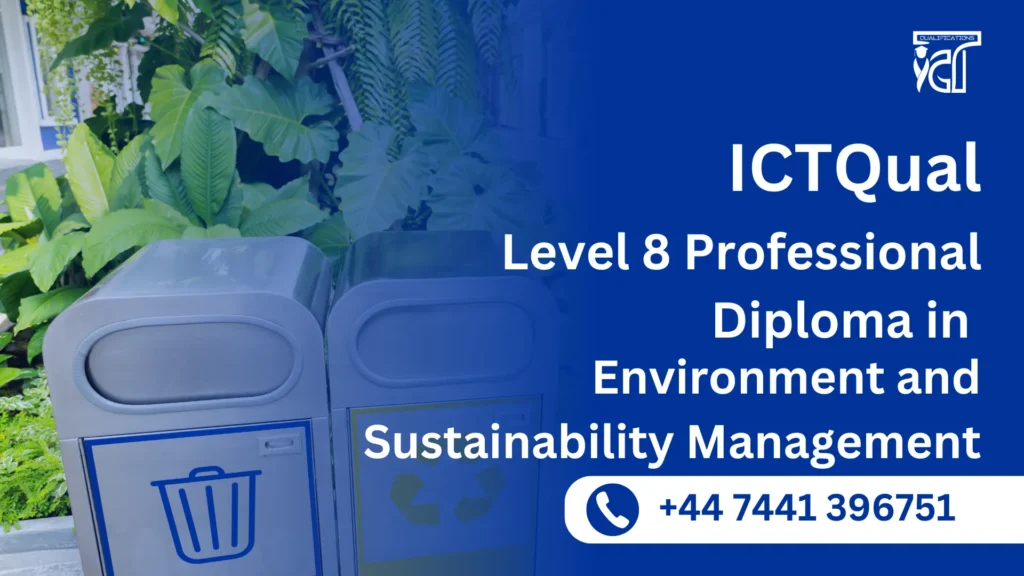
Level 8 Diploma in Environmental & Sustainability Management
The highest-level qualification, tailored for executives and industry leaders.
Program highlights:
- Executive environmental strategy
- Corporate sustainability leadership
- Research-driven environmental solutions
- Global environmental governance
Key outcomes:
✔ Positions you as an industry leader
✔ Suitable for directors and consultants
✔ Enhances global career prospects
👉 Achieve Executive-Level Expertise
ISO 14001 Environmental Management Training
Specialized training focused on implementing and auditing Environmental Management Systems (EMS) based on ISO standards.
This course follows the globally recognized ISO 14001 framework, developed by the
International Organization for Standardization.
You will gain:
- In-depth understanding of ISO 14001 requirements
- EMS implementation and management skills
- Internal and lead auditing techniques
- Practical compliance and documentation knowledge
Ideal for:
- Environmental managers
- HSE professionals
- Auditors and consultants
Key benefits:
✔ High-demand professional certification
✔ Practical, real-world application
✔ Enhances career credibility
👉 Become ISO 14001 Certified
Career Opportunities in Environmental Management
Completing a qualification in environmental management can unlock a wide range of high-demand career opportunities across multiple industries, including construction, manufacturing, energy, government, and consultancy.
As organizations increasingly prioritize sustainability, regulatory compliance, and environmental responsibility, professionals with environmental expertise are becoming essential to modern business operations.
Key Career Paths
Environmental Manager
Responsible for developing and implementing environmental strategies, ensuring compliance with regulations, and improving overall environmental performance within an organization.
Sustainability Consultant
Advises organizations on sustainable practices, helping them reduce environmental impact, improve efficiency, and meet sustainability goals.
Health, Safety & Environment (HSE) Officer
Focuses on maintaining workplace safety while ensuring environmental standards are met, particularly in high-risk industries.
ISO 14001 Lead Auditor
Specializes in auditing Environmental Management Systems based on ISO 14001 standards, ensuring organizations meet international compliance requirements set by the
International Organization for Standardization.
Environmental Compliance Specialist
Ensures organizations adhere to environmental laws and regulations, conducts inspections, and manages compliance documentation.
Growing Demand & Career Potential
With global focus on climate change and sustainability, these roles are experiencing rapid growth and increasing demand worldwide. Organizations are actively seeking qualified professionals who can help them:
- Reduce environmental risks
- Improve sustainability performance
- Maintain legal compliance
- Enhance corporate reputation
Build a Future-Proof Career
Environmental management is more than just a profession it’s a pathway to a stable, impactful, and future-proof career. With the right qualifications, you can position yourself at the forefront of sustainable development and global environmental initiatives.
Who Should Enroll?
These Environmental Management courses are ideal for:
- Students and Fresh Graduates
Individuals looking to start a career in environmental management, sustainability, or health and safety. - Environmental Professionals
Those seeking to enhance their knowledge, gain recognized qualifications, and stay aligned with industry standards. - HSE Officers and Managers
Professionals aiming to strengthen their expertise in environmental compliance, risk management, and sustainability practices. - Engineers and Project Managers
Individuals responsible for managing projects who need to ensure environmental compliance and minimize environmental impact. - Sustainability Enthusiasts
Anyone passionate about environmental protection and interested in contributing to a sustainable future.
Why Choose ICTUKL?
We provide high-quality training designed to meet global standards and industry needs.
✔ Internationally recognized certifications
✔ Flexible online learning options
✔ Fast-track certification pathways
✔ Expert tutor support
✔ Career-oriented programs
Our goal is to equip you with practical skills that deliver real-world impact.