
ProQual Level 7 NVQ Diploma in Construction Senior Management: A Complete Career Guide
The construction industry is evolving rapidly due to larger projects, stricter regulations, advanced technologies, and increasing sustainability demands. Organisations need skilled senior managers who can lead teams, manage budgets, control risks, and ensure compliance. As leadership expectations grow, professionals must combine technical expertise with strong strategic management skills.
The ProQual Level 7 NVQ Diploma in Construction Senior Management is a work-based qualification designed for experienced construction leaders. It provides formal recognition of their management competence, leadership capabilities, and practical expertise while supporting career progression and organisational success.
What Is the ProQual Level 7 NVQ Diploma in Construction Senior Management?
The ProQual Level 7 NVQ Diploma in Construction Senior Management is an advanced vocational qualification for experienced professionals working in senior construction roles. It focuses on assessing workplace competence in leadership, project management, workforce planning, compliance, and strategic decision-making. The qualification recognises real-world experience and management performance rather than academic achievement alone.
Qualification Overview
This qualification is designed to develop and validate the skills required for effective senior construction management. It demonstrates a professional’s ability to lead projects, manage resources, oversee operations, and achieve organisational objectives in complex construction environments.
Qualification Level Explained
Level 7 represents an advanced level of leadership and management responsibility. It is intended for professionals already operating in senior roles who are responsible for strategic decisions, project performance, and organisational success.
Who Awards the Qualification?
The qualification is awarded by ProQual, a recognised awarding organisation that develops industry-focused vocational qualifications. Its accreditation provides assurance that the qualification meets recognised professional and industry standards.
How Does It Differ from Traditional Academic Qualifications?
Unlike academic programmes that focus on classroom learning and examinations, this qualification assesses practical workplace performance. Learners demonstrate competence through real project evidence, professional discussions, and management activities carried out in their job roles.
Why Is It Recognised Across the Construction Industry?
The qualification is highly respected because it assesses real management competence. Employers value it as evidence of leadership capability, practical experience, and the ability to manage construction projects and organisations effectively.
Why Construction Senior Management Matters
Senior construction managers play a vital role in delivering projects safely, efficiently, and profitably. Their leadership influences project quality, workforce productivity, financial performance, and long-term organisational success.
Strategic Leadership in Construction
Senior managers provide direction, establish priorities, allocate resources, and ensure projects align with organisational objectives. Effective leadership helps businesses remain competitive and achieve sustainable growth.
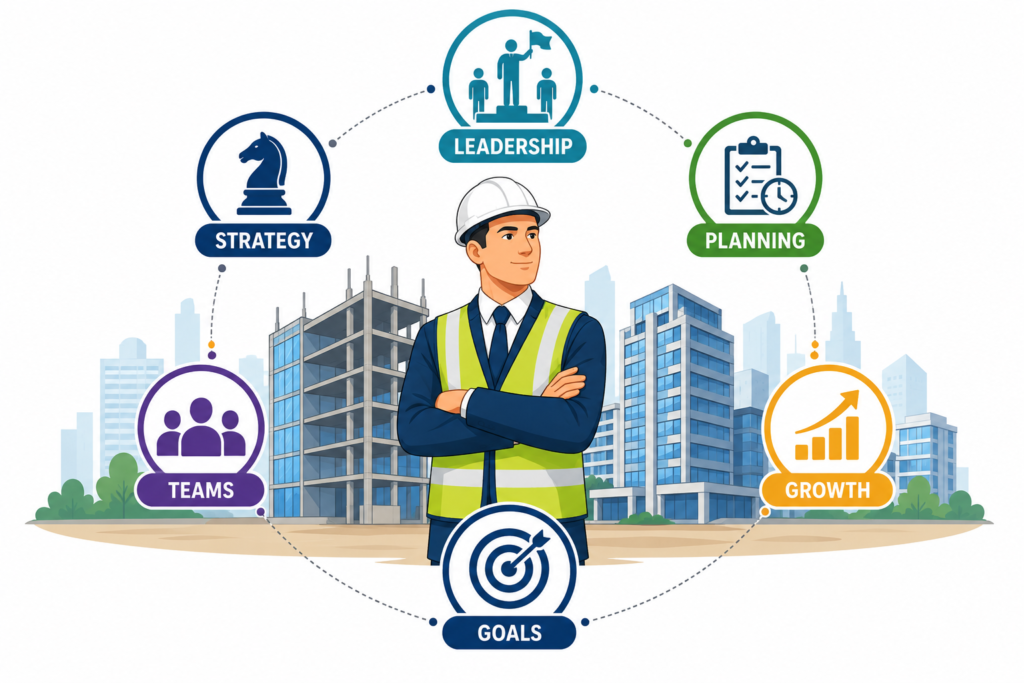
Managing Large and Complex Projects
Construction projects often involve multiple stakeholders, large budgets, and strict deadlines. Senior managers coordinate resources, oversee project delivery, and ensure successful outcomes while managing risks and operational challenges.
Driving Organisational Success
Strong leadership improves productivity, efficiency, and profitability. Senior managers identify opportunities for improvement, implement best practices, and support continuous organisational development.
Supporting Sustainable Growth
Construction leaders play a key role in promoting innovation, workforce development, sustainability initiatives, and organisational resilience. Their decisions help businesses adapt to changing industry demands and achieve long-term success.
Growing Demand for Senior Construction Managers
The demand for qualified construction leaders continues to increase as infrastructure projects, urban development, and construction activity expand worldwide. Organisations require professionals who can manage complex projects while maintaining compliance and performance standards.
Global Infrastructure Expansion
Significant investment in infrastructure, transportation, energy, residential, and commercial developments has increased the need for experienced construction managers who can lead major projects successfully.
Leadership Skills Shortage
Many organisations struggle to find experienced senior managers with strong leadership and strategic management capabilities. This shortage creates excellent career opportunities for qualified professionals.
Increasing Regulatory Requirements
The construction industry faces growing regulatory obligations related to safety, quality, sustainability, and governance. Senior managers must understand these requirements and ensure compliance throughout project lifecycles.
Technology-Driven Construction Management
Technologies such as Building Information Modelling (BIM), Artificial Intelligence (AI), digital project management systems, and construction analytics are transforming the industry. Senior managers must understand and utilise these tools to improve efficiency, decision-making, and project performance.
Importance and Benefits of the Qualification
The ProQual Level 7 NVQ Diploma in Construction Senior Management helps professionals gain recognised leadership credentials, improve management skills, and advance their careers within the construction industry.
- Benefits for Construction Professionals – Enhances career progression, professional recognition, leadership skills, and earning potential.
- Benefits for Employers – Improves project performance, strengthens leadership, reduces risks, and supports workforce development.
- Benefits for Construction Organisations – Supports productivity, compliance, cost control, and long-term business growth.
- Long-Term Career Advantages – Creates opportunities for senior positions such as Construction Director, Operations Director, and Programme Director.
Essential Leadership Skills Developed
The qualification develops leadership skills needed to manage projects, teams, and organisational objectives.
- Strategic Leadership – Setting direction, objectives, and long-term business goals.
- Project Governance – Maintaining accountability, oversight, and effective decision-making.
- Commercial Management – Managing budgets, costs, and project profitability.
- Workforce Planning – Supporting talent development and resource allocation.
- Contract Management – Managing contractual obligations and compliance.
- Risk Management – Identifying, assessing, and controlling project risks.
- Stakeholder Engagement – Building strong relationships with clients and project stakeholders.
- Decision-Making and Problem Solving – Resolving challenges through effective leadership and analytical thinking.
Construction Industry Leadership Challenges in 2026
Construction leaders must address a range of challenges while maintaining project performance and organisational success.
- Digital Transformation Challenges – Adapting to new technologies, systems, and digital construction practices.
- Labour Shortages – Difficulty attracting and retaining skilled workers.
- Supply Chain Disruptions – Material shortages and procurement challenges affecting project delivery.
- Cost Inflation – Rising labour, material, and operational expenses.
- Skills Gaps – Shortages of experienced leaders and technical specialists.
- Regulatory Complexity – Increasing legal, safety, and compliance requirements.
- Sustainability Pressures – Growing expectations for environmental responsibility and carbon reduction.
Common Challenges Faced by Senior Construction Managers
Senior construction managers face various challenges that can affect project performance, costs, and delivery.
- Budget Overruns – Poor cost control, inaccurate forecasting, and unexpected expenses can reduce project profitability.
- Delayed Project Delivery – Resource shortages, scheduling issues, and operational disruptions can impact project deadlines.
- Stakeholder Conflicts – Managing different expectations from clients, contractors, and project teams can be challenging.
- Workforce Management Issues – Maintaining productivity, engagement, and workforce performance requires strong leadership.
- Compliance Failures – Failure to meet legal and regulatory requirements can lead to penalties and project delays.
Risk Factors and Causes of Construction Project Failure
Construction projects can face significant challenges when risks are not properly managed.
- Poor Risk Management – Failure to identify and control risks increases the likelihood of project disruption.
- Poor Planning – Inadequate planning can result in delays, cost overruns, and inefficiencies.
- Weak Leadership – Poor leadership can affect communication, productivity, and overall project performance.
- Inadequate Communication – Communication gaps can lead to errors, misunderstandings, and stakeholder disputes.
- Resource Shortages – Lack of labour, materials, or equipment can disrupt project progress.
- Financial Mismanagement – Poor budget control can negatively affect project outcomes and profitability.
- Regulatory Non-Compliance – Failure to comply with regulations can result in legal and reputational consequences.
| Risk Factor | Likelihood | Impact | Mitigation Measure |
|---|---|---|---|
| Budget Overruns | High | High | Effective cost monitoring |
| Project Delays | High | High | Detailed project scheduling |
| Labour Shortages | Medium | High | Workforce planning |
| Compliance Failures | Medium | High | Regular compliance reviews |
| Supply Chain Issues | Medium | Medium | Alternative supplier strategies |
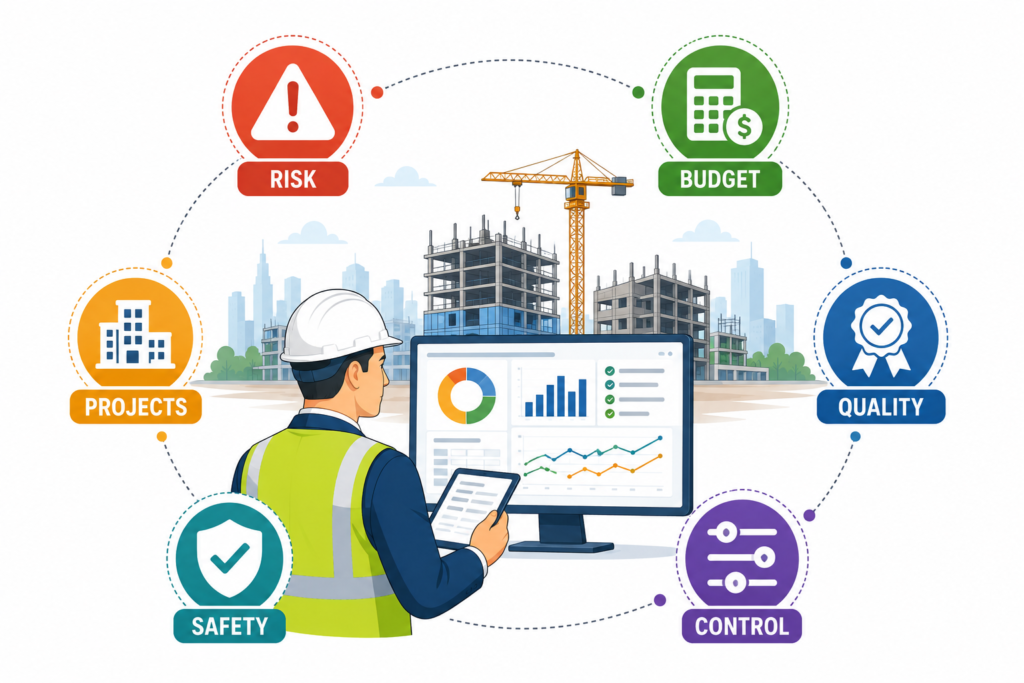
Assessment and Evaluation Process
The ProQual Level 7 NVQ Diploma in Construction Senior Management is assessed through workplace performance and practical competence rather than traditional examinations.
- How Is the Qualification Assessed? – Assessment is based on evidence collected from real workplace activities and management responsibilities.
- Portfolio of Evidence – Learners compile documents, reports, and records that demonstrate their professional competence.
- Workplace Observation – Assessors may observe learners carrying out management duties within their work environment.
- Professional Discussion – Structured discussions help assessors verify knowledge, decision-making, and leadership capability.
- Witness Testimony – Statements from managers, colleagues, or clients provide additional evidence of workplace performance.
- Reflective Accounts – Learners reflect on their experiences, achievements, and management activities.
- Project Documentation – Project plans, reports, budgets, and performance records are used as supporting evidence.
- Assessment Timeline – Completion times vary, but most learners finish the qualification within several months depending on experience and evidence availability.
Roles and Responsibilities of Senior Construction Managers
Senior construction managers are responsible for leading projects, managing resources, and ensuring organisational success.
- Strategic Planning – Developing business objectives, project strategies, and long-term organisational goals.
- Financial Management – Managing budgets, controlling costs, and monitoring financial performance.
- Workforce Leadership – Leading teams, developing staff, and improving workforce productivity.
- Client Relationship Management – Building and maintaining strong relationships with clients and stakeholders.
- Contract Administration – Managing contracts and ensuring compliance with contractual obligations.
- Risk Management – Identifying potential threats and implementing mitigation measures.
- Compliance Monitoring – Ensuring projects comply with legal, regulatory, and organisational requirements.
- Organisational Development – Supporting innovation, continuous improvement, and business growth.
Compliance, Standards and Regulations
Compliance is a key responsibility for senior construction managers to ensure safe, legal, and efficient project delivery.
- Building Safety Act 2022 – Establishes responsibilities for improving building safety, accountability, and risk management.
- CDM Regulations – Promote health, safety, and effective risk management throughout project lifecycles.
- Health and Safety Legislation – Requires construction leaders to maintain safe working environments and legal compliance.
- Environmental Regulations – Focus on sustainability, waste reduction, and environmental protection.
- Ethical Construction Management – Encourages integrity, transparency, and responsible decision-making.
- Corporate Governance Requirements – Support accountability, transparency, and effective organisational control.
How the Qualification Supports CSCS Black Card Eligibility
The qualification can support professionals seeking recognition through the CSCS Black Manager Card.
- Career Benefits – Supports progression into senior leadership positions and expands career opportunities within the construction industry.
- What Is the CSCS Black Card? – A recognised construction management card that demonstrates competence and leadership capability in senior management roles.
- Benefits of the CSCS Black Card – Enhances professional credibility, employability, and industry recognition.
- Eligibility Requirements – Typically requires a relevant management qualification and the necessary health and safety certification.
- Professional Recognition – Demonstrates to employers and clients that the holder possesses recognised management competence.
Tools, Technologies and Innovations in Construction Leadership
Technology continues to transform construction management by improving efficiency, communication, planning, and project control.
- Building Information Modelling (BIM)
BIM helps construction managers visualise projects, coordinate teams, reduce errors, and improve project planning through digital models. - Artificial Intelligence (AI)
AI supports predictive analysis, risk identification, resource optimisation, and data-driven decision-making. - Construction Analytics
Analytics tools help managers evaluate project performance, identify trends, and improve operational efficiency. - Project Management Software
These platforms assist with scheduling, budgeting, reporting, document control, and resource management. - Digital Collaboration Platforms
Digital tools improve communication and information sharing between project stakeholders. - Drone Technology
Drones support site inspections, progress monitoring, surveying, and safety assessments. - Digital Twins
Digital twins create virtual representations of projects, allowing managers to monitor performance and improve decision-making.
Sustainability and Environmental Leadership
Sustainability has become an important responsibility for construction leaders as organisations focus on reducing environmental impact, improving resource efficiency, and achieving long-term sustainability goals.
- Sustainable Procurement – Selecting environmentally responsible suppliers, materials, and services that support sustainability objectives.
- Carbon Reduction Strategies – Implementing initiatives to reduce carbon emissions and improve environmental performance throughout project lifecycles.
- Net Zero Construction – Supporting net zero targets through sustainable design, energy efficiency, and responsible resource management.
- Resource Efficiency – Optimising the use of materials, labour, energy, and equipment to reduce waste and improve project sustainability.
- Environmental Compliance – Ensuring projects comply with environmental legislation, regulations, and sustainability standards.
- Circular Economy Principles – Promoting recycling, reuse, and waste reduction practices to maximise resource value and minimise environmental impact.
Industry Applications
The ProQual Level 7 NVQ Diploma in Construction Senior Management is relevant across a wide range of construction sectors and project environments.
- Public Sector Construction – Supports projects delivered for government departments, public authorities, and community infrastructure programmes.
- Commercial Construction – Supports the management of office buildings, retail developments, business parks, and commercial facilities.
- Infrastructure Projects – Applicable to roads, bridges, railways, airports, utilities, and large-scale public infrastructure developments.
- Residential Development – Supports leadership of housing developments, residential communities, and mixed-use projects.
- Industrial Construction – Relevant to factories, warehouses, manufacturing facilities, and industrial developments.
- Energy Projects – Applicable to renewable energy installations, power generation facilities, and utility infrastructure projects.
Real-World Examples of Construction Senior Management
- Managing a Large Commercial Development – A senior construction manager may oversee a multi-million-pound commercial project by coordinating contractors, managing budgets, monitoring project progress, and ensuring quality standards are achieved while maintaining project deadlines.
- Resolving Supply Chain Disruptions – During material shortages or supplier delays, senior managers identify alternative suppliers, adjust procurement strategies, and revise schedules to minimise project disruption and maintain productivity.
- Improving Health and Safety Performance – Construction leaders often implement safety improvement programmes, conduct regular compliance reviews, and promote a strong safety culture to reduce workplace incidents and improve regulatory compliance.
Case Study: Leading a Large Infrastructure Project
Project Background
A major transport infrastructure project involved multiple contractors, complex construction activities, significant financial investment, and strict delivery deadlines. The project required effective leadership and coordination to achieve its objectives.
Challenges Encountered
The project faced several challenges, including labour shortages, supply chain disruptions, rising construction costs, and increasing regulatory requirements. These issues had the potential to affect project timelines and overall performance.
Leadership Actions Taken
The senior construction manager introduced workforce planning initiatives, strengthened stakeholder communication, implemented proactive risk management measures, and closely monitored project performance to address emerging challenges.
Results Achieved
Through effective leadership and strategic decision-making, the project was completed successfully. Productivity improved, safety performance remained strong, costs were effectively controlled, and key project milestones were achieved.
Lessons Learned
The project highlighted the importance of strong leadership, proactive planning, effective communication, and continuous risk management. Successful project delivery depends on the ability to adapt to challenges while maintaining focus on project objectives.
Best Practices for Construction Senior Managers
- Compliance Monitoring – Continuously monitor legal, regulatory, environmental, and health and safety requirements to ensure full compliance and minimise organisational risk.
- Effective Communication – Maintain open and consistent communication with clients, contractors, project teams, and stakeholders to ensure alignment and minimise misunderstandings.
- Continuous Risk Assessment – Regularly identify, evaluate, and manage risks throughout the project lifecycle to reduce uncertainty and improve project outcomes.
- Strategic Workforce Planning – Ensure that the organisation has the right skills, resources, and workforce capacity available to meet project requirements.
- Strong Financial Management – Monitor budgets, control costs, and review financial performance regularly to maintain profitability and project success.
- Technology Adoption – Embrace digital tools, project management software, BIM, and other innovative technologies to improve efficiency and decision-making.
Implementation Strategies for Career Progression
- Take Responsibility for Larger Projects – Seek opportunities to manage more complex projects, larger budgets, and multidisciplinary teams to gain valuable leadership experience.
- Develop Leadership Competence – Continuously strengthen leadership, communication, decision-making, and team management skills to effectively lead construction projects and organisations.
- Strengthen Commercial Awareness – Develop a strong understanding of budgeting, financial performance, contract management, procurement processes, and commercial risk management.
- Expand Professional Networks – Build relationships with industry professionals, clients, contractors, suppliers, and professional bodies to create new career opportunities and industry connections.
- Pursue Professional Qualifications – Obtain recognised qualifications and certifications that demonstrate competence, enhance credibility, and support career advancement.

For Construction Organisations
Invest in leadership development to strengthen workforce capability and organisational performance.
Salary Expectations and Career Opportunities
Professionals holding senior construction management qualifications can progress into roles such as Senior Construction Manager, Construction Director, Operations Director, Commercial Director, Programme Director, and Head of Construction. These positions often offer competitive salaries, greater responsibilities, and enhanced career progression opportunities both nationally and internationally.
Why Employers Value the Qualification
- Practical Industry Experience – Assessment is based on actual workplace activities, providing employers with confidence in the learner’s proven experience and competence.
- Proven Workplace Competence – The qualification demonstrates practical management skills and the ability to perform effectively in real construction environments.
- Strategic Leadership Skills – It confirms the capability to lead projects, manage teams, and contribute to organisational success through effective decision-making.
- Commercial Awareness – Employers value professionals who understand budgeting, cost control, financial performance, and commercial objectives.
- Compliance Knowledge – The qualification demonstrates an understanding of legal requirements, industry regulations, health and safety standards, and governance responsibilities.
Future Trends and Developments
- Smart Infrastructure Projects – The growth of technology-enabled infrastructure, including smart cities, intelligent transport systems, and connected buildings, will require advanced leadership and management capabilities.
- Artificial Intelligence in Construction – AI will play a greater role in project planning, risk prediction, resource management, scheduling, and decision-making, helping organisations improve efficiency and reduce project risks.
- Building Information Modelling (BIM) Expansion – BIM adoption will continue to grow across the construction industry, improving collaboration, project coordination, cost control, and lifecycle management.
- ESG and Sustainability Leadership – Environmental, Social, and Governance (ESG) priorities will become increasingly important as organisations focus on sustainability, ethical practices, and long-term environmental responsibility.
- Data-Driven Decision Making – Construction leaders will increasingly use project data, analytics, and performance metrics to support informed decision-making and improve operational outcomes.
- Modern Methods of Construction (MMC) – Offsite manufacturing, modular construction, and innovative building techniques will continue to transform project delivery by improving speed, quality, and efficiency.
Conclusion
The ProQual Level 7 NVQ Diploma in Construction Senior Management is a highly respected qualification that recognises the competence, leadership capability, and strategic expertise required to succeed in senior construction roles. It enables professionals to demonstrate their ability to manage complex projects, lead teams, control risks, and achieve organisational objectives. As the construction industry continues to evolve, qualified senior managers will play an increasingly important role in driving project success, maintaining compliance, supporting sustainability, and leading organisational growth. For experienced construction professionals seeking career advancement and industry recognition, this qualification provides a valuable pathway to senior leadership and long-term professional success.