QualCert Level 3 Diploma in Basic Life Support BLS Training
Become a Confident First Responder with BLS Expertise

Course Level
Level 3
Course Type
Non- Ofqual
Awarding Body
QualCert
Credits
60 Credits
Study Mood
Online
Assessment
Assignments Based
Course Overview
What is this course
The QualCert Level 3 Diploma in Basic Life Support (BLS) Training is a comprehensive qualification designed to equip learners with essential life-saving skills required in emergency situations. This course focuses on developing the knowledge and practical ability to respond effectively to incidents such as cardiac arrest, choking, and respiratory failure. It is ideal for healthcare professionals, workplace responders, and individuals who want to be prepared to act confidently during critical emergencies.
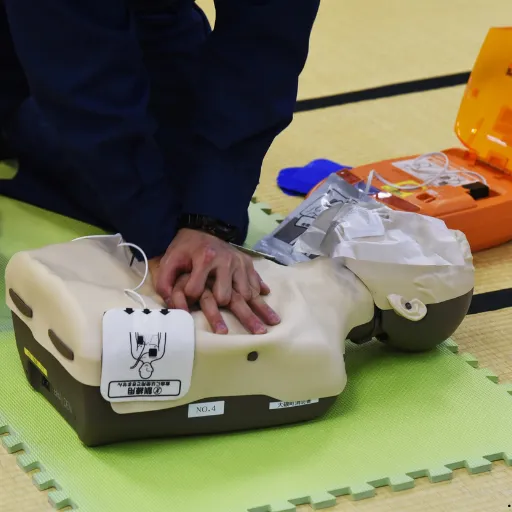
The diploma covers key areas including cardiopulmonary resuscitation (CPR), use of automated external defibrillators (AEDs), airway management, and patient assessment. Learners are trained to recognize early warning signs, provide immediate care, and follow established emergency protocols. The course emphasizes hands-on practice, ensuring participants gain real-world competence and the confidence to deliver timely and effective support when every second counts.
Upon completion, learners are well-prepared to handle life-threatening situations and contribute to safer workplaces and communities. The qualification enhances career prospects in healthcare, safety, and emergency response roles, while also serving as a pathway to advanced medical and first aid training. It is a valuable certification for anyone committed to saving lives and making a meaningful difference in emergencies.
Course Content
Detailed Curriculum Structure
The QualCert Level 3 Diploma in Basic Life Support BLS Training offers 60 Credits, requiring a Total Qualification Time (TQT) of 300 hours, including 210 Guided Learning Hours (GLH). The highest-level diploma that focuses on leadership, coordination, and advanced life support techniques.
Who Should Attend
Target Audience and Participants
The QualCert Level 3 Diploma in Basic Life Support (BLS) Training is suitable for individuals who want to gain essential life-saving skills and respond effectively in emergency situations. It is designed for both professionals and beginners seeking confidence in critical care scenarios.
- Healthcare professionals including nurses, paramedics, and clinical staff
- Workplace first aiders and safety officers
- Security personnel and emergency response teams
- Teachers, school staff, and childcare providers
- Fitness trainers and sports coaches
- Individuals working in high-risk environments
- Caregivers and support workers in health and social care
- Anyone interested in learning life-saving BLS skills
Career & Learning Benefits
Skills, Knowledge & Opportunities You Will Earn
The QualCert Level 3 Diploma in Basic Life Support (BLS) Training offers valuable advantages for both career growth and personal development. It equips learners with practical, life-saving competencies that are highly respected across multiple industries and essential in emergency response situations.
- Enhances employability in healthcare, safety, and emergency response roles
- Builds confidence to act quickly and effectively in critical situations
- Provides hands-on, practical life-saving skills including CPR and AED use
- Supports career progression into advanced first aid and medical training
- Meets workplace compliance and health & safety requirements
- Develops decision-making and problem-solving skills under pressure
- Increases professional credibility with a recognized qualification
- Enables contribution to safer workplaces and communities
- Creates pathways into roles such as First Aider, Care Assistant, or Emergency Responder
- Promotes continuous learning in health, safety, and clinical care fields
Need More Information?
Frequently Asked Questions Explained
Enrollment Criteria
Minimum Eligibility Criteria for Enrollment
Lock In Your Spot
Get in Touch
+44 2035 764371
+44 7441 396751
info@ictqual.co.uk
www.inspirecollege.co.uk