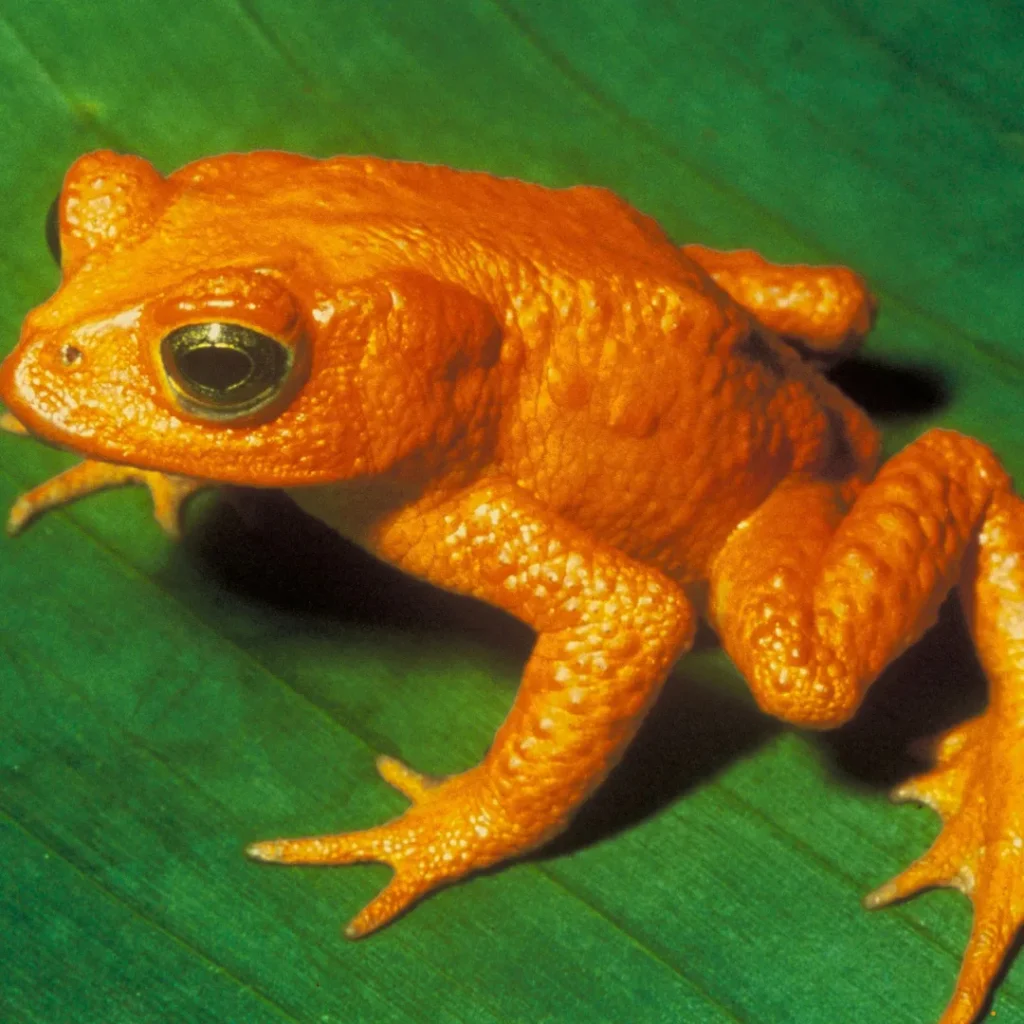
Herpetology and Herpetological Survey Techniques

ICT logo
ICTQual Level 3 Certificate in Herpetology and Herpetological Survey Techniques

Course Level

Level 3

Course Type

Non- Ofqual

Awarding Body

ICTQual 

Duration

15 days

Study Mood

Online

Assessment

Assignments Based

Course Overview

What is this course

The ICTQual Level 3 Certificate in Herpetology and Herpetological Survey Techniques is a specialized vocational qualification designed for individuals seeking to develop practical expertise in the study of amphibians and reptiles. This program emphasizes accurate species identification, ecological understanding, and the application of professional survey methodologies. It is ideal for aspiring ecological consultants, conservation volunteers, wildlife enthusiasts, and those pursuing careers in biodiversity monitoring and environmental management.

The curriculum consists of five mandatory units covering advanced identification skills, survey equipment and data collection techniques, herpetofauna ecology and behaviour, conservation challenges and case studies, and an introduction to GIS and mapping for surveys. Learners gain hands-on experience using field guides, dichotomous keys, and standardized survey methods while developing skills in data recording, ethical field practices, and basic spatial analysis for species distribution mapping.

Upon successful completion, graduates can progress to higher-level qualifications such as the Level 4 Diploma in Herpetology and Applied Conservation Studies. Career pathways include roles supporting ecological consultancy teams, assisting with conservation projects for NGOs, and leading small-scale herpetological surveys. This certificate provides a strong foundation for professional advancement within the wildlife and environmental sectors.

Course Content

Detailed Curriculum Structure

This qualification, the ICTQual Level 3 Certificate in Herpetology and Herpetological Survey Techniques, consists of 5 mandatory units.

  1. Advanced Identification Skills
  2. Survey Equipment and Data Collection Techniques
  3. Herpetofauna Ecology and Behaviour
  4. Conservation Challenges and Case Studies
  5. Introduction to GIS and Mapping for Surveys

Learning Objectives

Learning Outcomes for the ICTQual Level 3 Certificate in Herpetology and Herpetological Survey Techniques:

Advanced Identification Skills

  • Learners will apply advanced techniques to accurately identify amphibians and reptiles across diverse habitats.
  • Learners will classify species using taxonomic principles and morphological characteristics.
  • Learners will evaluate variations within species and subspecies to support ecological and conservation studies.
  • Learners will demonstrate proficiency in using field guides, dichotomous keys, and digital tools for identification.
  • Learners will record identification data systematically to contribute to professional survey reports.

Survey Equipment and Data Collection Techniques

  • Learners will select and use appropriate equipment for herpetological surveys in varied environments.
  • Learners will apply standardized methods for collecting ecological and population data.
  • Learners will demonstrate safe and ethical handling of survey tools and species.
  • Learners will evaluate the effectiveness of different data collection techniques in fieldwork.
  • Learners will maintain accurate records to ensure reliability and validity of survey outcomes.

Herpetofauna Ecology and Behaviour

  • Learners will analyze ecological requirements of amphibians and reptiles, including temperature, moisture, and shelter.
  • Learners will explain behavioural adaptations that support survival and reproduction in different habitats.
  • Learners will assess ecological interactions between herpetofauna and other species within ecosystems.
  • Learners will evaluate the impact of environmental changes on species behaviour and distribution.
  • Learners will recognize the importance of ecological balance in sustaining herpetofauna diversity.

Conservation Challenges and Case Studies

  • Learners will identify global and local threats to amphibians and reptiles, including habitat loss and climate change.
  • Learners will evaluate conservation strategies and policies aimed at protecting herpetofauna populations.
  • Learners will analyze real‑world case studies to understand practical conservation challenges.
  • Learners will recognize the importance of ethical practices in conservation and ecological research.
  • Learners will demonstrate awareness of international conservation initiatives and their relevance to herpetology.

Introduction to GIS and Mapping for Surveys

  • Learners will explain the role of GIS in ecological surveys and conservation planning.
  • Learners will apply basic GIS tools to map species distribution and habitat types.
  • Learners will integrate survey data into mapping systems for analysis and reporting.
  • Learners will evaluate the benefits of GIS in monitoring herpetofauna populations.
  • Learners will demonstrate practical skills in producing maps to support ecological decision‑making.

Who Should Attend

Target Audience and Participants

This certificate is designed for individuals seeking specialized knowledge and practical skills in amphibian and reptile study and survey work.

  • Aspiring Ecological Consultants seeking foundational herpetological survey skills
  • Conservation Volunteers and Rangers working in habitat management roles
  • Wildlife Enthusiasts wanting to develop structured scientific survey expertise
  • Environmental Science students aiming to specialize in herpetology
  • Ecology graduates seeking practical field skills for employability
  • Countryside and Land Management staff responsible for protected species
  • NGO conservation workers involved in biodiversity monitoring programs
  • Environmental Impact Assessment practitioners requiring herpetological knowledge
  • Nature reserve wardens and protected area managers
  • Amateur naturalists pursuing professional development in herpetology

Career & Learning Benefits

Skills, Knowledge & Opportunities You Will Earn

This certificate delivers essential knowledge and practical skills for those pursuing careers in herpetology and wildlife conservation.

  • Master professional herpetological survey techniques and species identification using field guides and dichotomous keys
  • Qualify for entry-level roles such as Ecological Survey Assistant, Conservation Volunteer, and Wildlife Monitoring Technician
  • Gain hands-on experience with standardized survey methods, data collection, and ethical field practices
  • Build foundational knowledge in herpetofauna ecology, behaviour, and habitat management
  • Develop basic GIS and mapping skills for species distribution recording and analysis
  • Enhance employability with a recognized Level 3 qualification valued by ecological consultancies and conservation organizations

Need More Information?

Frequently Asked Questions Explained

Graduates can qualify for roles as Ecological Survey Assistants, Conservation Volunteers, and Wildlife Monitoring Technicians . Opportunities exist with conservation organizations, ecological consultancies, and NGOs. Nature reserves and wildlife research projects also value this qualification.

Yes, completion opens pathways into the Level 4 Diploma in Herpetology and Applied Conservation Studies . You can also pursue advanced vocational certificates focusing on ecological consultancy and biodiversity monitoring. Higher-level diplomas in conservation leadership are available.

Absolutely, graduates are prepared to support ecological consultancy teams and conservation projects . The certificate strengthens employability with NGOs focused on amphibian and reptile conservation. International volunteering opportunities may also become accessible.

. Habitat assessment methods and conservation planning capabilities are enhanced. These skills directly apply to biodiversity monitoring and environmental management roles.

Yes, ICTQual qualifications are designed to meet international standards, making them valuable for global conservation initiatives . The certificate provides globally recognized credentials for herpetology specialists. International learners pursuing recognized qualifications are welcome.

Enrollment Criteria

Minimum Eligibility Criteria for Enrollment

  • Proficiency in English (reading, writing, speaking)
  • Completion of Level 2 Award or equivalent qualification is strongly recommended
  • Some practical experience in ecological fieldwork or species identification is beneficial
  • Age 16 or above

Lock In Your Spot

Get in Touch

+44 2035 764371

+44 7441 396751

info@ictqual.co.uk

www.inspirecollege.co.uk
Similar Posts