QualCert Signalman Level 2 Diploma Course

ICT logo
QualCert Signalman Level 2 Diploma Course

Course Level

Level 2

Course Type

Non-Ofqual

Awarding Body

QualCert

Credits

42

Study Mode

Online

Assessment

Assignment Based

Course Overview

What is this course

QualCert Signalman Level 2 Diploma Course is a professionally structured vocational qualification designed to develop essential signalling knowledge and practical competence for learners working within construction, engineering, logistics, and industrial environments across the United Kingdom. The QualCert Signalman Level 2 Diploma Course delivers internationally aligned training standards, ensuring learners gain a clear understanding of safe and effective signalling operations required in modern workplaces.

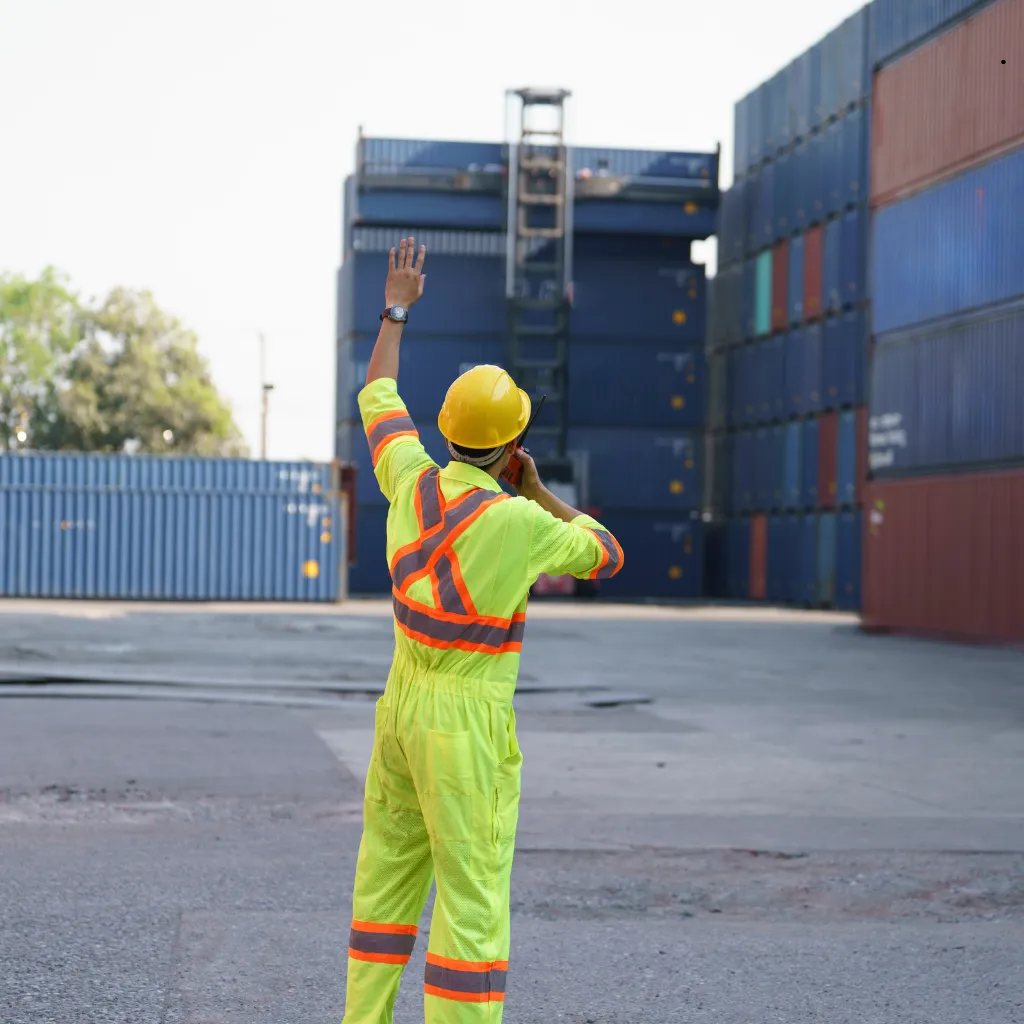
The QualCert Signalman Level 2 Diploma Course introduces learners to core principles of site communication, movement coordination, and operational signalling techniques used to guide lifting activities, vehicle movements, and on-site operations. It provides structured learning on standard signalling systems, hazard recognition, and safe operational procedures, enabling learners to understand how clear communication supports efficiency and reduces workplace risks in dynamic environments.

Throughout the QualCert Signalman Level 2 Diploma Course, emphasis is placed on compliance with health and safety regulations, operational accuracy, and professional conduct in line with industry expectations. Learners develop an understanding of workplace signalling protocols and communication methods essential for maintaining safe, controlled, and efficient operational environments across a range of industrial and construction settings.

Course Content

Detailed Curriculum Structure

The QualCert Signalman Level 2 Diploma Course offers 42 Credits, requiring a Total Qualification Time (TQT) of 210 hours, including 150 Guided Learning Hours (GLH).

  1. Load Dynamics and Motion Analysis
  2. Managing High-Risk and Hazardous Load Movements
  3. Advanced Communication Techniques for Complex Operations
  4. Environmental and Weather Considerations in Lifting
  5. Compliance with International Standards and Regulations
  6. Supervisory Skills and Leadership for Signalmen

Load Dynamics and Motion Analysis

  • Understand the principles of load dynamics during lifting operations.
  • Analyze motion patterns to ensure safe handling of materials.
  • Apply force, balance, and stability concepts to different load types.
  • Identify potential hazards caused by load movements and vibrations.
  • Evaluate risk factors associated with dynamic load shifts.

Managing High-Risk and Hazardous Load Movements

  • Recognize high-risk lifting scenarios and implement safety measures.
  • Plan and execute hazardous load movements with minimal risk.
  • Use risk assessment tools to prevent accidents during lifting.
  • Understand the procedures for emergency intervention in dangerous lifts.
  • Apply best practices for handling hazardous materials safely.

Advanced Communication Techniques for Complex Operations

  • Master hand signals, radio, and visual communication for lifts.
  • Coordinate effectively with team members during complex operations.
  • Resolve miscommunication issues in high-pressure lifting tasks.
  • Apply advanced reporting and feedback techniques for safety.
  • Enhance team collaboration and situational awareness on-site.

Environmental and Weather Considerations in Lifting

  • Assess environmental factors affecting lifting operations.
  • Implement safety measures during adverse weather conditions.
  • Recognize how temperature, wind, and terrain impact load handling.
  • Apply contingency planning for environmental hazards.
  • Ensure compliance with site-specific environmental safety protocols.

Compliance with International Standards and Regulations

  • Understand key international lifting and signaling standards.
  • Apply legal and regulatory requirements to lifting operations.
  • Maintain documentation to demonstrate compliance.
  • Conduct audits and inspections according to international norms.
  • Integrate regulatory compliance into daily operational practices.

Supervisory Skills and Leadership for Signalmen

  • Develop leadership skills for guiding lifting teams.
  • Manage personnel and delegate tasks effectively during operations.
  • Monitor team performance to ensure adherence to safety standards.
  • Resolve conflicts and maintain morale in high-pressure situations.
  • Promote a culture of safety and accountability on-site.

Who Should Attend

Target Audience and Participants

This qualification is designed for individuals seeking to develop advanced signalling knowledge and operational competence in construction and industrial environments.

  • Signalmen and banksmen working on active sites.
  • Construction workers involved in lifting operations.
  • Logistics and material handling operatives.
  • Crane supervisors and lifting coordinators.
  • Site operatives aiming to enhance signalling skills.
  • Engineering and infrastructure workforce personnel.
  • Entry-level learners pursuing signalling careers.
  • Workers progressing from basic lifting roles.
  • Health and safety assistants on construction sites.
  • Individuals seeking formal signalling certification.

Career & Learning Benefits

Skills, Knowledge & Opportunities You Will Earn

This qualification enhances signalling expertise, safety awareness, and operational competence for effective performance in construction and industrial environments.

  • Strengthen advanced signalling and communication skills.
  • Improve site safety awareness and hazard recognition.
  • Develop coordination and teamwork in lifting operations.
  • Enhance ability to manage complex site movements.
  • Build confidence in real-time operational decision-making.
  • Gain knowledge of international safety standards.
  • Improve efficiency in construction site operations.
  • Support progression into supervisory site roles.
  • Develop leadership skills for operational environments.
  • Increase employability in construction and logistics sectors.

Need More Information?

Frequently Asked Questions Explained

Learners will develop signalling techniques, communication skills, safety awareness, hazard identification, operational coordination, and the ability to direct lifting and vehicle movements efficiently in workplace environments.

Successful learners may pursue roles such as Signalman, Banksman, Traffic Marshal, Lifting Operations Assistant, Site Operative, Construction Support Worker, or related positions within industrial sectors.

Yes. The qualification demonstrates competence in signalling operations and workplace safety, helping learners showcase industry-relevant skills valued by employers across construction, logistics, engineering, and infrastructure projects.

The course develops understanding of safe signalling practices, risk awareness, hazard prevention, communication protocols, and compliance with workplace procedures, helping learners contribute to safer operations.

Yes. The knowledge and practical skills gained provide a strong foundation for career advancement into senior operational, coordination, and supervisory positions within construction and industrial environments.

Enrollment Criteria

Minimum Eligibility Criteria for Enrollment

  • English skills (reading, writing, communication)
  • Must be at least 18 years old
  • High school diploma or equivalent required
  • Basic lifting or construction experience preferred

Lock In Your Spot

Get in Touch

+44 2035 764371

+44 7441 396751

info@ictqual.co.uk

www.inspirecollege.co.uk

Similar Posts