QualCert Level 6 Diploma in Prosthodontics (Dip Prosthodontics)

ICT logo
QualCert Level 6 Diploma in Prosthodontics

Course Level

Level 6

Course Type

Non-Ofqual

Awarding Body

QualCert

Credits

120

Study Mode

Online

Assessment

Assignment Based

Course Overview

What is this course

The QualCert Level 6 Diploma in Prosthodontics (Dip Prosthodontics) is a structured professional qualification designed to provide comprehensive understanding of the principles, techniques, and clinical applications involved in the restoration and replacement of missing teeth. Prosthodontics is a specialised field of dentistry focused on the rehabilitation of oral function, aesthetics, and overall oral health through the use of fixed and removable prostheses.

This programme explores essential areas including dental occlusion, tooth morphology, impression techniques, crown and bridge preparation, complete and partial denture design, implant-supported prostheses, and material selection for prosthodontic applications. Learners also study treatment planning methodologies, laboratory communication protocols, and the biomechanics of dental prostheses. Emphasis is placed on achieving functional stability, aesthetic harmony, and long-term success in restorative dental treatments.

Structured at Level 6, the qualification promotes applied clinical understanding and systematic knowledge of prosthodontic procedures. The programme also examines patient assessment, case analysis, prosthetic design principles, and maintenance of prosthodontic restorations. It integrates contemporary clinical concepts to ensure a comprehensive approach to restorative dentistry.

Overall, this diploma provides a strong academic foundation in prosthodontics, enabling learners to develop a structured understanding of restorative techniques and the scientific principles that support modern prosthetic dental practice.

Course Content

Detailed Curriculum Structure

The QualCert Level 6 Diploma in Prosthodontics (Dip Prosthodontics) includes a total of 1200 Total Qualification Time (TQT), 600 Guided Learning Hours (GLH), and awards 120 credits

  1. Advanced Oral Anatomy, Physiology and Occlusion for Prosthodontics
  2. Clinical Assessment and Treatment Planning in Prosthodontics
  3. Fixed Prosthodontics: Crowns, Bridges and Veneers
  4. Removable Prosthodontics: Complete and Partial Dentures
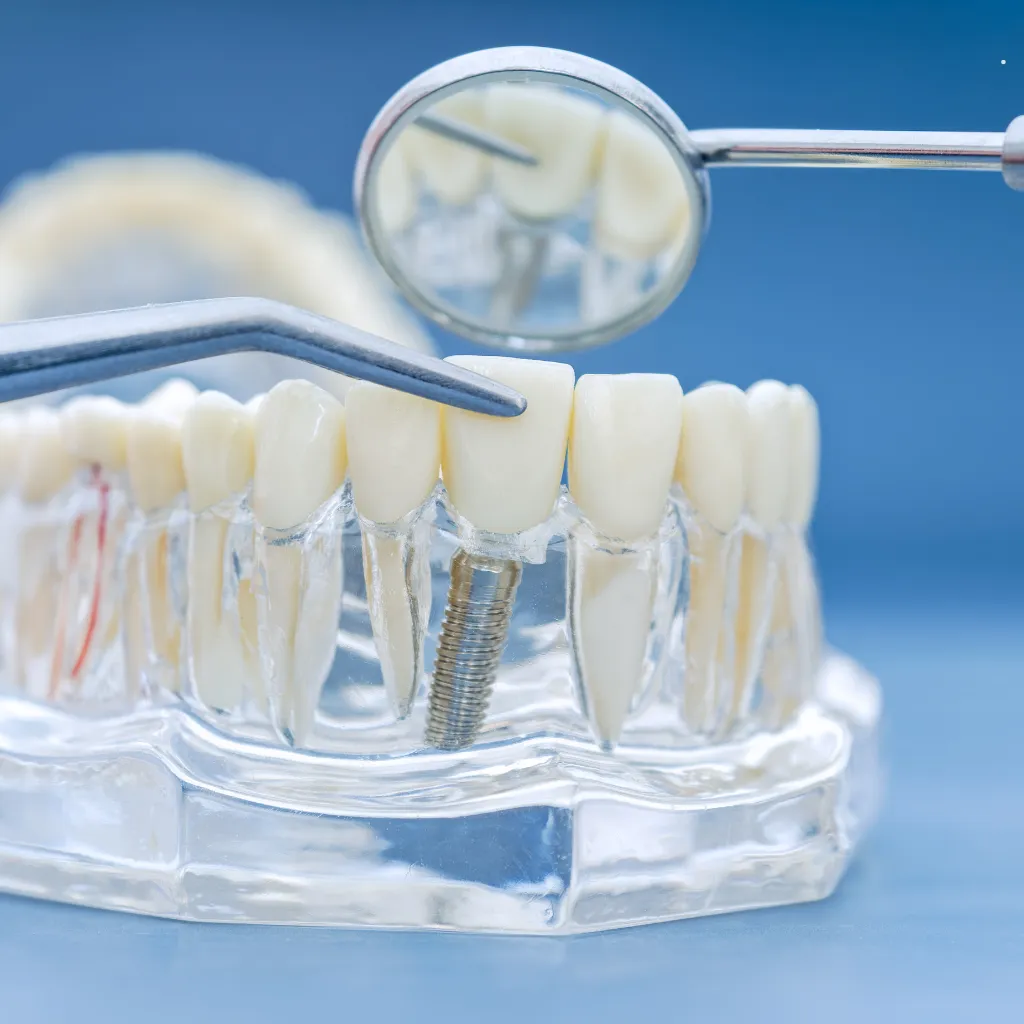
  5. Implant-Retained Prosthodontics: Planning, Placement and Restoration
  6. Professional Practice, Ethics, and Clinical Governance in Prosthodontics

Advanced Oral Anatomy, Physiology and Occlusion for Prosthodontics

  • Demonstrate an in-depth understanding of craniofacial anatomy relevant to prosthodontic treatment.
  • Explain the physiological functions of the masticatory system and their implications in prosthetic design.
  • Analyze occlusal relationships and identify factors influencing occlusal harmony.
  • Apply knowledge of jaw movements and occlusion to clinical case planning and appliance design.
  • Recognize anatomical variations that may impact prosthodontic procedures.

Clinical Assessment and Treatment Planning in Prosthodontics

  • Conduct comprehensive clinical examinations and patient assessments specific to prosthodontic needs.
  • Interpret diagnostic tools including radiographs, impressions, and digital scans.
  • Develop patient-centered, evidence-based treatment plans for prosthodontic rehabilitation.
  • Assess risk factors and manage patient expectations through effective communication.
  • Prioritize treatment options based on functional, aesthetic, and biomechanical considerations.

Fixed Prosthodontics: Crowns, Bridges and Veneers

  • Describe the indications, contraindications, and material choices for fixed prosthodontic restorations.
  • Prepare teeth using appropriate techniques for crowns, bridges, and veneers.
  • Demonstrate proficiency in the design and placement of fixed prostheses.
  • Evaluate fit, function, and aesthetics of restorations using clinical criteria.
  • Manage common complications associated with fixed prosthodontics.

Removable Prosthodontics: Complete and Partial Dentures

  • Understand the principles of retention, support, and stability in removable prosthodontic appliances.
  • Design and fabricate complete and partial dentures to meet individual patient needs.
  • Perform clinical procedures including impressions, jaw registration, and denture fitting.
  • Address aesthetic and functional considerations in removable prosthodontics.
  • Identify and manage issues related to denture maintenance and patient adaptation.

Implant-Retained Prosthodontics: Planning, Placement and Restoration

  • Assess patient suitability for implant-retained prosthodontic treatment.
  • Understand the biological principles of osseointegration and implant biomechanics.
  • Collaborate effectively in the planning and placement phases of dental implants.
  • Design and restore implant-supported prostheses for functional and aesthetic outcomes.
  • Monitor implant health and manage prosthetic complications post-restoration.

Professional Practice, Ethics, and Clinical Governance in Prosthodontics

  • Apply ethical principles and professional standards in prosthodontic care.
  • Understand legal responsibilities and consent processes in clinical practice.
  • Demonstrate knowledge of clinical governance and quality improvement in dentistry.
  • Reflect on personal clinical performance to enhance professional development.
  • Promote safe, evidence-based, and patient-centered care within a multidisciplinary team.

Who Should Attend

Target Audience and Participants

This qualification is designed for dental professionals seeking advanced knowledge and clinical expertise in prosthodontics and restorative dental rehabilitation.

  • Qualified dentists interested in prosthodontic practice and oral rehabilitation.
  • Dental practitioners involved in crowns, bridges, dentures, and implant restoration.
  • Clinicians aiming to improve skills in fixed and removable prosthodontics.
  • General dental practitioners seeking to enhance restorative treatment planning abilities.
  • Dental professionals working with aesthetic and functional dental restorations.
  • Practitioners involved in managing partial and complete edentulism cases.
  • Clinicians interested in implant-supported prosthetic treatments.
  • Dental professionals seeking expertise in occlusion and prosthetic biomechanics.
  • International dental graduates aiming for a recognised Level 6 qualification.
  • Healthcare professionals interested in advancing restorative dental care knowledge.

Career & Learning Benefits

Skills, Knowledge & Opportunities You Will Earn

This qualification develops advanced clinical knowledge and practical understanding of prosthodontic principles, techniques, and restorative treatment planning.

  • Develop comprehensive understanding of prosthodontic principles and oral rehabilitation.
  • Strengthen skills in fixed prosthodontics including crowns, bridges, and veneers.
  • Gain expertise in removable prosthodontics such as complete and partial dentures.
  • Enhance competence in implant-supported prosthetic treatment planning and restoration.
  • Improve ability to assess occlusion and functional dental relationships.
  • Develop clinical decision-making skills in restorative treatment planning.
  • Strengthen understanding of prosthetic material selection and application.
  • Enhance knowledge of patient-specific prosthodontic rehabilitation approaches.
  • Build competence in managing complex restorative dental cases.
  • Improve evaluation of prosthodontic treatment outcomes and long-term success.
  • Develop structured clinical reasoning in restorative dentistry practice.
  • Earn a recognised Level 6 qualification demonstrating advanced prosthodontic expertise.

Need More Information?

Frequently Asked Questions Explained

Learners develop skills in prosthetic design, occlusion analysis, crown and bridge preparation, denture construction, implant restoration planning, and restorative case management.

Yes. It strengthens expertise in restorative dentistry, supporting roles in private practice, dental clinics, hospital dentistry, and prosthodontic-focused clinical environments.

Yes. Learners study planning, placement considerations, and restoration techniques for implant-supported prosthetic cases.

Yes. It enhances expertise in restorative dentistry, supporting roles in prosthodontic practice, dental clinics, and advanced clinical rehabilitation services.

Yes. It strengthens systematic treatment planning for both fixed and removable prosthodontic cases.

Enrollment Criteria

Minimum Eligibility Criteria for Enrollment

  • Age: 21 years or above
  • Education: Recognised BDS or equivalent dental qualification
  • Professional Experience: Minimum one year of clinical dentistry experience preferred
  • Language Proficiency: IELTS 6.0 or equivalent English language qualification, where applicable

Lock In Your Spot

Get in Touch

+44 2035 764371

+44 7441 396751

info@ictqual.co.uk

www.inspirecollege.co.uk

Similar Posts