QualCert Level 3 Diploma in Orthodontics

ICT logo
QualCert Level 3 Diploma in Orthodontics

Course Level

Level 3

Course Type

Non-Ofqual

Awarding Body

QualCert

Credits

60

Study Mode

Online

Assessment

Assignment Based

Course Overview

What is this course

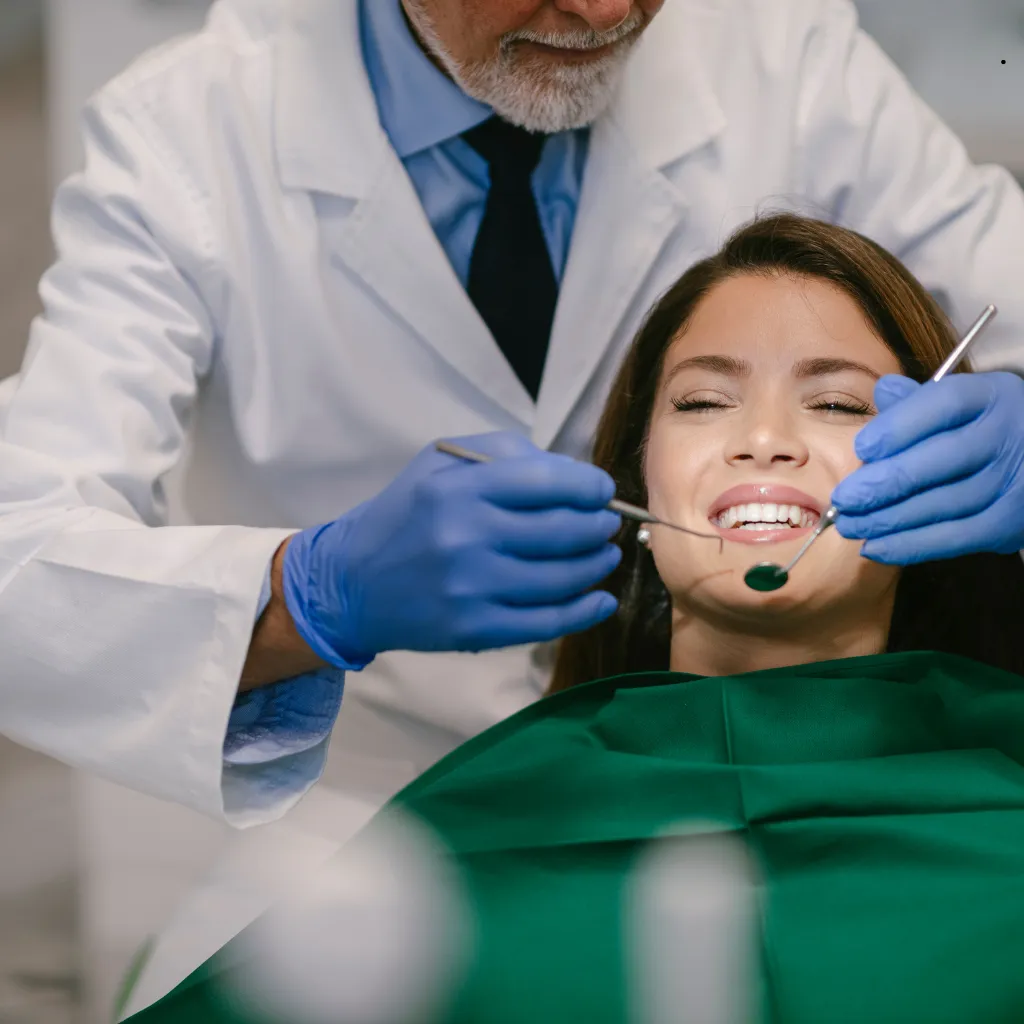
The QualCert Level 3 Diploma in Orthodontics is a specialised qualification designed to introduce learners to the fundamental principles and practices of orthodontic dental care. This course provides a structured understanding of orthodontic environments, focusing on essential theoretical knowledge and practical awareness required in clinical support settings. It is developed to meet the growing demand for trained support professionals within modern dental and orthodontic practices.

Learners will explore key concepts related to orthodontic anatomy, dental alignment principles, patient care procedures, and the safe handling of orthodontic instruments and materials. The course also emphasises infection control standards, hygiene protocols, and effective communication within a clinical dental team. Each unit is carefully designed to ensure clarity of understanding while building confidence in foundational orthodontic knowledge.

The programme is suitable for individuals seeking a formal entry point into orthodontic education, offering a clear and structured learning pathway. It supports academic development through well-organised modules that encourage consistent learning progression and applied understanding.

By engaging with this diploma, learners gain a comprehensive introduction to orthodontic concepts within a professional dental framework. The course is delivered in a manner that supports flexible study while maintaining academic integrity and clarity. It serves as a strong educational foundation for those aiming to build structured knowledge in the field of orthodontics.

Course Content

Detailed Curriculum Structure

The QualCert Level 3 Diploma in Orthodontics, offers 60 Credits, requiring a Total Qualification Time (TQT) of 300 hours, including 210 Guided Learning Hours (GLH).

  1. Advanced Principles of Orthodontic Theory and Clinical Practice
  2. Craniofacial Anatomy and Development in Orthodontic Diagnosis
  3. Clinical Governance and Infection Control in Orthodontic Environments
  4. Orthodontic Appliance Systems and Technological Advancements
  5. Orthodontic Treatment Planning and Patient Case Management
  6. Effective Communication, Ethics, and Chairside Support in Orthodontics

Advanced Principles of Orthodontic Theory and Clinical Practice

  • Apply advanced theoretical knowledge to a variety of orthodontic treatment scenarios
  • Distinguish between different malocclusion classifications and their clinical implications
  • Evaluate orthodontic outcomes and adapt techniques to meet individual patient needs
  • Understand the interdisciplinary role of orthodontics within dental care
  • Reflect on ethical decision-making and evidence-based practice in orthodontics

Craniofacial Anatomy and Development in Orthodontic Diagnosis

  • Analyse the development of craniofacial structures and their relevance in diagnosis
  • Identify skeletal and dental anomalies through anatomical assessment
  • Understand cephalometric analysis and its application in orthodontic planning
  • Recognise the influence of growth patterns on orthodontic treatment timing
  • Use anatomical knowledge to support accurate record-taking and case analysis

Clinical Governance and Infection Control in Orthodontic Environments

  • Understand the principles of clinical governance and quality assurance in orthodontics
  • Apply national and international guidelines for infection prevention and control
  • Implement effective risk assessment and management strategies in clinical settings
  • Maintain compliance with health and safety, data protection, and audit protocols
  • Promote a culture of accountability and continuous improvement in practice

Orthodontic Appliance Systems and Technological Advancements

  • Identify and differentiate between fixed, removable, and functional orthodontic appliances
  • Understand the use of modern technologies, including digital imaging and aligners
  • Demonstrate knowledge of appliance selection based on treatment objectives
  • Monitor appliance function and report any issues to the clinical supervisor
  • Support the integration of emerging orthodontic technologies in clinical practice

Orthodontic Treatment Planning and Patient Case Management

  • Assist in developing individualised treatment plans in collaboration with the dental team
  • Contribute to the assessment of patient suitability for various orthodontic interventions
  • Monitor patient progress and document clinical findings accurately
  • Understand the psychological and emotional aspects of long-term treatment
  • Support post-treatment reviews and ensure appropriate aftercare instructions are provided

Effective Communication, Ethics, and Chairside Support in Orthodontics

  • Communicate effectively with patients of all ages, ensuring clarity and compassion
  • Understand the ethical and legal responsibilities involved in orthodontic support
  • Provide advanced chairside assistance during complex orthodontic procedures
  • Manage patient concerns, anxiety, and expectations throughout treatment
  • Maintain accurate and confidential patient records in line with regulatory standards

Who Should Attend

Target Audience and Participants

This qualification is designed for learners seeking to build foundational knowledge and practical understanding of orthodontic dental care and clinical support environments.

  • Students interested in starting a career in orthodontics or dental healthcare
  • Dental assistants aiming to enhance or specialise in orthodontic support roles
  • Beginners exploring entry-level pathways into clinical dental practice
  • Healthcare learners seeking structured knowledge in orthodontic procedures
  • Clinic support staff working in or planning to join dental practices
  • Individuals motivated to develop patient care and chairside assisting skills in orthodontics

Career & Learning Benefits

Skills, Knowledge & Opportunities You Will Earn

This qualification provides essential foundational knowledge in orthodontic dental care and supports structured academic and professional development in clinical environments.

  • Develops strong understanding of orthodontic principles and clinical practices
  • Enhances knowledge of craniofacial anatomy and orthodontic diagnosis basics
  • Builds awareness of infection control and clinical governance standards
  • Improves understanding of orthodontic appliances and modern technologies
  • Strengthens skills in treatment planning and patient case management
  • Develops communication, ethics, and professional chairside support skills
  • Builds confidence for working in structured dental and orthodontic environments
  • Provides a solid academic base for further study in orthodontics and dental sciences

Need More Information?

Frequently Asked Questions Explained

This diploma provides structured foundational knowledge in orthodontics, focusing on clinical support, patient care principles, and dental practice fundamentals to prepare learners for entry-level orthodontic education pathways.

Learners develop skills in orthodontic awareness, patient communication, infection control, clinical assistance, dental terminology, and understanding of treatment procedures within professional dental environments.

Yes, it supports academic progression into advanced dental, orthodontic, and healthcare-related qualifications, providing a strong foundation for structured learning in clinical and scientific dental disciplines.

It may lead to roles such as dental assistant, orthodontic support worker, clinic assistant, or entry-level dental healthcare positions, depending on local regulatory and employment requirements.

This qualification offers a clear entry pathway into orthodontic education, combining essential dental knowledge, clinical awareness, and professional development to support future roles in healthcare and dentistry.

Enrollment Criteria

Minimum Eligibility Criteria for Enrollment

  • Minimum Age: Learners must generally be 16 years of age or above
  • Educational Background: A secondary school qualification or equivalent is recommended
  • Prior Experience: No prior experience in orthodontics or clinical practice is required
  • Language Proficiency: Learners should have basic English reading, writing, and comprehension skills

Lock In Your Spot

Get in Touch

+44 2035 764371

+44 7441 396751

info@ictqual.co.uk

www.inspirecollege.co.uk

Similar Posts