QualCert Level 3 Diploma in Lifting Accessories (LAC)
Safe Lifting Solutions Through Professional Competence
Course Level
Level 3
Course Type
Non-Ofqual
Awarding Body
QualCert
Credits
60
Study Mode
Online
Assessment
Assignment Based
Course Overview
What is this course
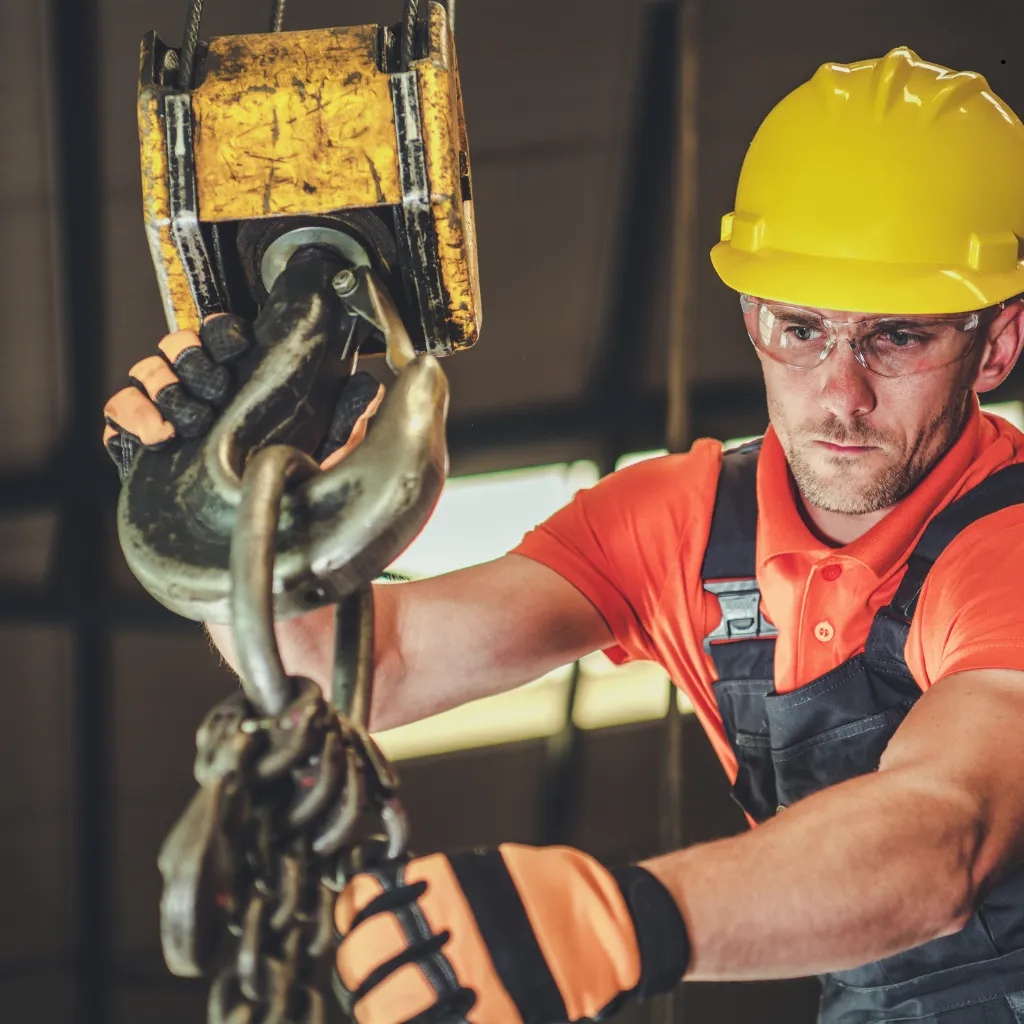
The QualCert Level 3 Diploma in Lifting Accessories (LAC) is a professionally structured qualification designed to develop comprehensive knowledge and practical understanding of lifting accessories used in industrial, construction, and engineering environments. This programme provides learners with an in-depth foundation in the safe selection, inspection, handling, and application of lifting accessories in accordance with recognised industry safety standards and operational procedures.
The course explores essential principles including types of lifting accessories, load calculation fundamentals, inspection techniques, defect identification, and safe usage practices. Learners will also study the regulatory requirements governing lifting operations, ensuring a strong awareness of compliance, safety responsibilities, and risk management in lifting activities. Emphasis is placed on understanding how lifting accessories function within broader lifting systems and how they contribute to safe and efficient material handling operations.
In addition, the qualification introduces learners to systematic inspection and maintenance practices, enabling them to recognise wear, damage, and operational limitations in lifting equipment. The programme also covers documentation practices and the importance of maintaining accurate records for inspection and safety assurance purposes.
Designed with a balance of theoretical instruction and applied learning, this diploma ensures learners develop a clear and structured understanding of lifting accessory operations. It supports the development of safety-conscious practices and technical competence essential for working in environments where lifting operations are a critical component of daily activities.
Course Content
Detailed Curriculum Structure
The QualCert Level 3 Diploma in Lifting Accessories (LAC), offers 60 Credits, requiring a Total Qualification Time (TQT) of 300 hours, including 210 Guided Learning Hours (GLH).
Who Should Attend
Target Audience and Participants
This qualification is designed for individuals involved in lifting operations, material handling, and equipment safety management across industrial and construction environments.
- Lifting Operatives and Riggers working with lifting accessories
- Crane Operators involved in lifting and hoisting activities
- Site Supervisors overseeing lifting operations and safety compliance
- Construction Workers handling material movement and lifting tasks
- Maintenance Technicians responsible for lifting equipment inspection
- Health and Safety Assistants monitoring workplace lifting safety
- Warehouse and Logistics Personnel involved in load handling
- Engineers and Technical Staff managing lifting systems and equipment
- Safety Officers responsible for risk control in lifting operations
- Entry-level learners seeking knowledge of lifting accessories and safety practices
Career & Learning Benefits
Skills, Knowledge & Opportunities You Will Earn
This qualification develops essential technical knowledge and practical competence in lifting operations, supporting safe and efficient handling of lifting accessories in industrial environments.
- Develop understanding of lifting accessories and their safe application
- Gain skills in inspection, maintenance, and defect identification of equipment
- Learn accurate load calculation and correct equipment selection techniques
- Improve knowledge of safe lifting procedures and operational control
- Understand legal requirements and industry standards in lifting operations
- Build awareness of risk management and hazard control in lifting activities
- Enhance ability to follow safe working practices in high-risk environments
- Develop competence in documentation and safety compliance procedures
- Strengthen analytical skills for assessing lifting equipment suitability
- Increase workplace safety awareness in construction and industrial sectors
- Support professional development in lifting operations and site safety roles
- Build foundation for advanced technical and safety-related training
Need More Information?
Frequently Asked Questions Explained
Enrollment Criteria
Minimum Eligibility Criteria for Enrollment
Lock In Your Spot
Get in Touch
+44 2035 764371
+44 7441 396751
info@ictqual.co.uk
www.inspirecollege.co.uk