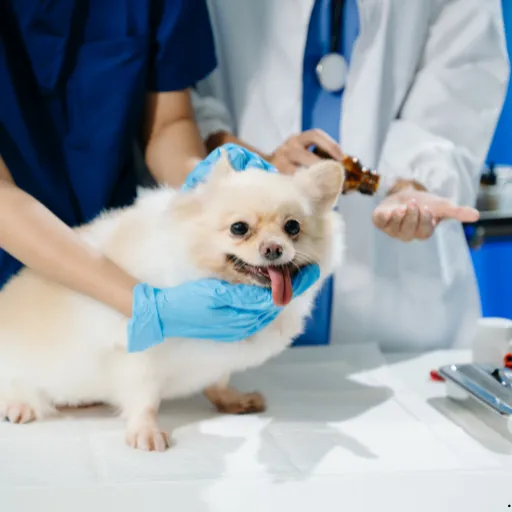
Veterinary Nursing (Companion Animal)

ICT logo
ICTQual Level 3 Diploma in Veterinary Nursing (Companion Animal)

Course Level

Level 3

Course Type

Non- Ofqual

Awarding Body

ICTQual 

Duration

30 Credit hours

Study Mood

Online

Assessment

Assignments Based

Course Overview

What is this course

The ICTQual Level 3 Diploma in Veterinary Nursing (Companion Animal) is a comprehensive qualification designed for individuals seeking to develop advanced skills in veterinary nursing. It equips learners with the knowledge and practical expertise required to provide high‑quality care for companion animals in clinical environments.

The course covers a wide range of topics including animal anatomy and physiology, nursing care techniques, anaesthesia and surgical support, diagnostic procedures, and patient monitoring. Learners also gain essential skills in communication, record‑keeping, and professional practice, ensuring they can work effectively as part of a veterinary team.

By completing this diploma, participants will be prepared for responsible roles in veterinary clinics, hospitals, and animal care facilities. The qualification enhances career prospects, supports professional growth, and contributes to the highest standards of companion animal health and welfare.

Course Content

Detailed Curriculum Structure

This qualification, the ICTQual Level 3 Diploma in Veterinary Nursing (Companion Animal), consists of 6 mandatory units.

  1. Companion Animal Anatomy and Basic Physiology
  2. Introduction to Veterinary Nursing and Patient Care
  3. Companion Animal Handling, Restraint, and Safety Procedures
  4. Basic Anaesthesia Assistance and Surgical Preparation
  5. Veterinary Pharmacology Fundamentals and Medicine Records
  6. Preventive Healthcare, Nutrition, and Welfare in Companion Animals

Learning Objectives

Learning Outcomes for the ICTQual Level 3 Diploma in Veterinary Nursing (Companion Animal) :

Companion Animal Anatomy and Basic Physiology

  • Identify the major anatomical structures of dogs, cats, rabbits, and small mammals.
  • Describe the basic physiological functions of body systems (respiratory, circulatory, digestive, nervous).
  • Relate anatomy and physiology to common health conditions in companion animals.
  • Apply anatomical knowledge to safe handling and basic nursing procedures.
  • Recognise signs of normal versus abnormal function in companion animals.
  • Use anatomical terminology accurately in clinical communication.
  • Demonstrate awareness of how growth, age, and breed differences affect physiology.

Introduction to Veterinary Nursing and Patient Care

  • Explain the role and responsibilities of a veterinary nurse in companion animal practice.
  • Demonstrate safe and compassionate patient care, including feeding, grooming, and monitoring.
  • Record patient information accurately in line with professional standards.
  • Apply infection control and hygiene procedures in clinical environments.
  • Assist in routine examinations and basic diagnostic procedures.
  • Communicate effectively with veterinary surgeons, colleagues, and animal owners.
  • Reflect on professional behaviours and ethical responsibilities in nursing practice.

Companion Animal Handling, Restraint, and Safety Procedures

  • Demonstrate safe handling techniques for dogs, cats, rabbits, and small mammals.
  • Apply appropriate restraint methods for examinations, treatments, and minor procedures.
  • Recognise stress signals and behavioural cues in companion animals.
  • Minimise risk to patients, staff, and owners during handling.
  • Use equipment such as muzzles, cat bags, and restraint aids correctly.
  • Apply health and safety protocols to prevent injury or accidents.
  • Reflect on the importance of animal welfare during handling and restraint.

Basic Anaesthesia Assistance and Surgical Preparation

  • Prepare patients for anaesthesia, including fasting, monitoring, and pre‑operative checks.
  • Assist veterinary surgeons with anaesthetic induction and recovery procedures.
  • Monitor vital signs during anaesthesia under supervision.
  • Maintain aseptic techniques in surgical preparation and theatre environments.
  • Prepare surgical instruments, equipment, and materials for routine procedures.
  • Support post‑operative care, including pain management and wound monitoring.
  • Record anaesthesia and surgical data accurately in patient records.

Veterinary Pharmacology Fundamentals and Medicine Records

  • Identify common medicines used in companion animal practice.
  • Explain basic principles of drug administration, dosage, and safety.
  • Assist in the safe storage, handling, and disposal of veterinary medicines.
  • Maintain accurate medicine records in compliance with regulations.
  • Recognise potential side effects and report concerns to supervising staff.
  • Communicate clearly with owners about medicine use and compliance.
  • Apply professional responsibility in medicine management.

Preventive Healthcare, Nutrition, and Welfare in Companion Animals

  • Support vaccination and parasite control programmes in companion animals.
  • Explain the importance of nutrition and feeding plans for different species.
  • Promote dental health, grooming, and routine care for long‑term wellbeing.
  • Recognise welfare needs and apply the “Five Freedoms” in nursing practice.
  • Educate owners on responsible pet care and preventive healthcare strategies.
  • Monitor patient progress in preventive programmes and record outcomes.
  • Reflect on the nurse’s role in promoting welfare and community awareness.

Who Should Attend

Target Audience and Participants

  • Aspiring veterinary nurses seeking advanced clinical training in companion animal care
  • Animal care professionals aiming to progress into veterinary nursing roles
  • Veterinary clinic assistants wishing to formalize and expand their skills
  • Staff in animal hospitals or shelters looking to enhance patient care expertise
  • Learners committed to building a career in veterinary healthcare and welfare
  • Pet care practitioners wanting to specialize in nursing support for companion animals
  • Individuals passionate about animal wellbeing and professional veterinary practice
  • Those preparing for responsible roles within veterinary teams and clinical environments

Career & Learning Benefits

Skills, Knowledge & Opportunities You Will Earn

  • Gain an accredited qualification in advanced veterinary nursing for companion animals
  • Develop practical expertise in anaesthesia, surgical support, and patient monitoring
  • Acquire in‑depth knowledge of animal anatomy, physiology, and clinical care techniques
  • Strengthen communication and teamwork skills within veterinary practice environments
  • Enhance employability in veterinary clinics, hospitals, and animal care facilities
  • Build confidence to take on responsible nursing roles supporting veterinary surgeons
  • Improve professional credibility with a recognized Level 3 diploma
  • Contribute to higher standards of animal health, welfare, and clinical safety

Need More Information?

Frequently Asked Questions Explained

A basic background in animal care or veterinary support is recommended. Learners should have an interest in clinical practice and the ability to follow structured training and safety protocols.

Participants will learn advanced nursing techniques, anaesthesia and surgical support, patient monitoring, diagnostic procedures, and effective communication within veterinary teams.

Graduates can work as veterinary nurses in clinics, hospitals, and animal care facilities. The qualification enhances employability and prepares learners for responsible roles in veterinary healthcare.

Veterinary nurses play a vital role in safeguarding animal health, supporting surgeons during procedures, and ensuring the wellbeing of companion animals through professional care and monitoring.

Yes, the ICTQual Level 3 Diploma is an accredited qualification recognized for its compliance with professional standards in veterinary nursing and animal welfare.

Enrollment Criteria

Minimum Eligibility Criteria for Enrollment

  • Proficiency in English (reading, writing, speaking)
  • Strong interest in veterinary nursing and companion animal welfare
  • Ability to follow clinical instructions and safety protocols
  • Age 18 or above

Lock In Your Spot

Get in Touch

+44 2035 764371

+44 7441 396751

info@ictqual.co.uk

www.inspirecollege.co.uk

Similar Posts