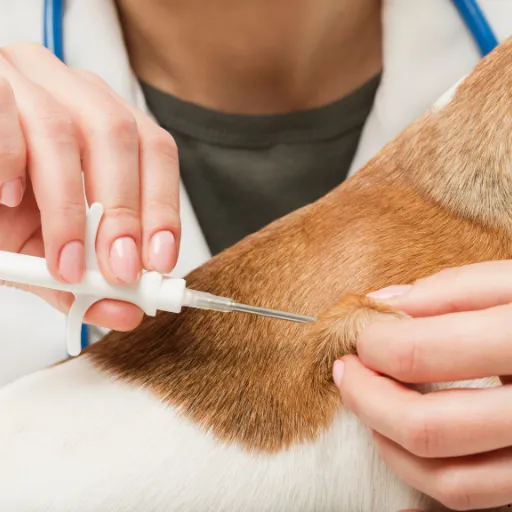
Implantation of Identification Microchips in Animals

ICT logo
ICTQual Level 3 Award in Implantation of Identification Microchips in Animals

Course Level

Level 3

Course Type

Non- Ofqual

Awarding Body

ICTQual 

Duration

3 days

Study Mood

Online

Assessment

Assignments Based

Course Overview

What is this course

The ICTQual Level 3 Award in Implantation of Identification Microchips in Animals is designed to equip learners with the essential knowledge and practical skills required to safely and effectively implant identification microchips in companion animals. This qualification provides a strong foundation in animal welfare, legislation, and best practices, ensuring that learners understand both the technical and ethical responsibilities involved in microchipping.

Through structured training, participants will gain hands-on experience in microchip implantation procedures. The course emphasizes compliance with national and international standards, preparing learners to carry out implantation with confidence while prioritizing animal safety and wellbeing.

Successful completion of this award enables learners to demonstrate professional competence in animal identification practices, opening opportunities in veterinary support, animal welfare organizations, pet services, and related fields. It is an ideal qualification for those seeking to enhance their career prospects in the animal care sector while contributing to responsible pet ownership and traceability.

Course Content

Detailed Curriculum Structure

This qualification, the ICTQual Level 3 Award in Implantation of Identification Microchips in Animals, consists of 3 mandatory units.

  1. Microchip Technology, Scanners, and Implantation Equipment
  2. Animal Handling, Restraint, and Safe Implantation Procedures
  3. Legal, Ethical, and Welfare Responsibilities in Microchip Implantation

Learning Objectives

Learning Outcomes for the ICTQual Level 3 Award in Implantation of Identification Microchips in Animals:

Microchip Technology, Scanners, and Implantation Equipment

Upon successful completion of this unit, learners will be able to:

  • Understand the principles and functions of animal microchip technology.
  • Identify different types of microchips and their appropriate uses across animal species.
  • Demonstrate knowledge of microchip scanners, their operation, and maintenance.
  • Understand radio-frequency identification (RFID) technology and how it applies to animal identification.
  • Recognise the importance of correct microchip storage, handling, and data recording.
  • Apply proper hygiene, calibration, and care procedures for implantation equipment.
  • Identify and troubleshoot common technical issues in microchip implantation equipment.
  • Demonstrate awareness of technological advancements and best practices in animal identification systems.

Animal Handling, Restraint, and Safe Implantation Procedures

Upon successful completion of this unit, learners will be able to:

  • Apply safe and humane techniques for handling and restraining different animal species.
  • Recognise behavioural indicators of stress, fear, and aggression in animals.
  • Implement safe implantation procedures following industry standards and welfare guidelines.
  • Select appropriate equipment and microchip types for various species and sizes.
  • Maintain aseptic conditions during the implantation process to prevent infection or injury.
  • Perform post-implantation checks to ensure correct chip placement and functionality.
  • Record implantation details accurately for traceability and compliance.
  • Demonstrate confidence and professional competence in handling live animals during procedures.

Legal, Ethical, and Welfare Responsibilities in Microchip Implantation

Upon successful completion of this unit, learners will be able to:

  • Understand the legal requirements and regulations governing animal microchipping.
  • Identify ethical considerations and professional responsibilities in animal identification practices.
  • Comply with data protection and record-keeping standards for animal registration databases.
  • Apply knowledge of animal welfare legislation in all microchip implantation activities.
  • Recognise the importance of owner consent and accurate record verification.
  • Demonstrate professional integrity when handling confidential animal and owner information.
  • Evaluate the consequences of malpractice, negligence, or non-compliance with legal standards.
  • Promote best practices that ensure the safety, welfare, and dignity of animals during microchip implantation.

Who Should Attend

Target Audience and Participants

  • Individuals seeking formal certification in animal microchip implantation
  • Veterinary assistants and support staff aiming to expand their skills
  • Animal welfare professionals working in shelters or rescue organizations
  • Pet care specialists and groomers offering identification services
  • Breeders who need to comply with animal identification regulations
  • Wildlife and conservation workers involved in tracking and monitoring animals
  • Students pursuing careers in veterinary or animal care fields
  • Professionals in pet-related businesses wanting to enhance service offerings

Career & Learning Benefits

Skills, Knowledge & Opportunities You Will Earn

  • Gain accredited certification in animal microchip implantation
  • Develop practical skills with hands-on training and guided practice
  • Understand legal and ethical responsibilities in animal identification
  • Enhance career prospects in veterinary, welfare, and pet care sectors
  • Improve knowledge of animal anatomy, handling, and infection control
  • Contribute to responsible pet ownership and traceability standards
  • Build confidence to perform microchip implantation safely and effectively
  • Strengthen professional credibility with a recognized Level 3 qualification

Need More Information?

Frequently Asked Questions Explained

No advanced academic background is required. However, learners should have a genuine interest in animal care and basic knowledge of handling animals. Prior experience in veterinary or pet care environments is helpful but not mandatory.

You will learn how to safely implant microchips, understand animal welfare legislation, apply infection control procedures, and handle animals responsibly during implantation. The course also builds confidence and professional credibility in animal identification practices.

Successful learners can work in veterinary clinics, animal shelters, pet care businesses, breeding facilities, and wildlife organizations. The qualification enhances employability and allows professionals to offer certified microchip implantation services.

The course is suitable for individuals working in veterinary practices, animal welfare organizations, pet care services, breeding, or wildlife management. It is also open to anyone seeking formal certification to perform microchip implantation in animals.

Yes, the ICTQual Level 3 Award is an accredited qualification, recognized for its compliance with professional standards in animal identification and welfare.

Enrollment Criteria

Minimum Eligibility Criteria for Enrollment

  • Proficiency in English (reading, writing, speaking)
  • Basic educational background in animal care or related field preferred
  • Interest in animal welfare and responsible pet ownership
  • Age 16 or above

Lock In Your Spot

Get in Touch

+44 2035 764371

+44 7441 396751

info@ictqual.co.uk

www.inspirecollege.co.uk

Similar Posts