
ProQual Level 7 Diploma in Strategic Health and Safety Leadership and Management
In an increasingly complex and risk-driven business environment, health and safety has become far more than a legal compliance requirement. Organisations face increasingly complex challenges, including changing regulations, emerging workplace risks, workforce wellbeing concerns, sustainability expectations, and growing stakeholder scrutiny. As a result, there is a rising demand for leaders who can take a strategic approach to health and safety by managing risk proactively, influencing organisational culture, supporting corporate governance, and aligning safety objectives with wider business goals. Effective health and safety leadership is now recognised as a key contributor to organisational resilience, operational efficiency, employee wellbeing, and long-term business success.
The ProQual Level 7 Diploma in Strategic Health and Safety Leadership and Management is designed to develop the advanced leadership, governance, compliance, and risk management capabilities required to meet these modern challenges. Aimed at experienced professionals, managers, directors, consultants, and organisational leaders, this competency-based qualification focuses on practical workplace application rather than traditional examinations. It equips learners with the skills needed to lead strategic health and safety initiatives, strengthen safety culture, improve organisational performance, and support informed decision-making at senior levels. In this guide, you will explore the qualification’s structure, key features, assessment process, entry requirements, leadership competencies, career opportunities, industry applications, and the professional benefits it offers to both individuals and organisations.
What is the ProQual Level 7 Diploma in Strategic Health and Safety Leadership and Management?
The ProQual Level 7 Diploma in Strategic Health and Safety Leadership and Management is a prestigious, competency-based qualification designed for experienced professionals who are responsible for leading health and safety at a strategic level within their organisations. It is aimed at senior managers, directors, consultants, risk managers, compliance professionals, and organisational leaders who play a key role in shaping workplace safety, governance, and business performance. Unlike qualifications that focus primarily on operational safety activities, this diploma develops advanced capabilities in leadership, strategic planning, risk management, governance, compliance, and organisational improvement. It equips learners with the knowledge and practical skills required to influence decision-making, drive cultural change, and align health and safety objectives with broader organisational goals.
What makes this qualification particularly valuable is its strong emphasis on real-world application and workplace competence. Rather than relying on traditional examinations, learners demonstrate their abilities through evidence gathered from their professional responsibilities and achievements. This practical approach enables candidates to showcase how they lead safety initiatives, manage organisational risks, implement governance frameworks, and contribute to continuous improvement within their organisations. Widely recognised across industries such as construction, manufacturing, oil and gas, healthcare, logistics, engineering, utilities, and public services, the qualification helps professionals strengthen their leadership credibility, advance their careers, and make a meaningful impact on organisational performance. By completing the ProQual Level 7 Diploma in Strategic Health and Safety Leadership and Management, individuals develop the strategic expertise needed to lead safer, more resilient, and more successful organisations.
Understanding the Strategic Focus of the Qualification
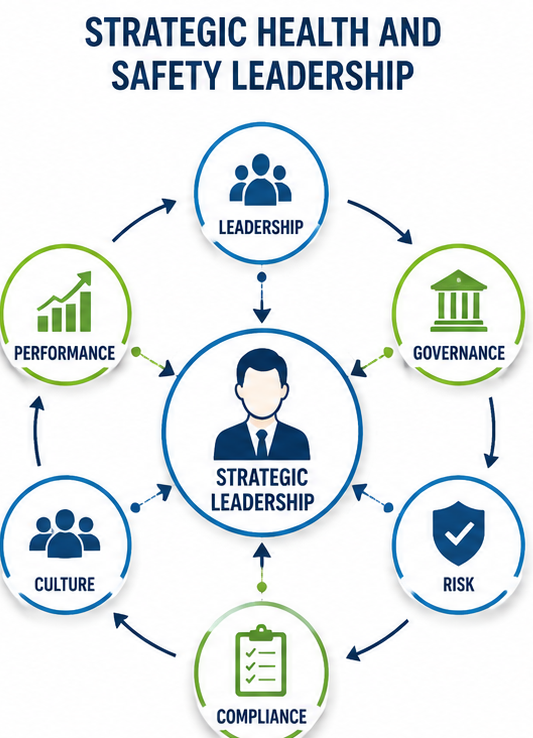
One of the key features of the ProQual Level 7 Diploma in Strategic Health and Safety Leadership and Management is its focus on strategic leadership rather than day-to-day operational safety management. While traditional health and safety qualifications often concentrate on compliance, inspections, hazard identification, and operational procedures, this qualification prepares professionals to lead health and safety at an organisational level.
Learners develop the ability to align health and safety objectives with business strategy, influence senior leadership decisions, manage organisational risks, establish governance frameworks, and drive continuous improvement. The qualification also focuses on creating positive safety cultures, improving organisational resilience, and ensuring health and safety contributes to overall business success. This strategic perspective helps organisations move from reactive incident management to proactive risk prevention and long-term performance improvement.that the candidate meets the required standards.
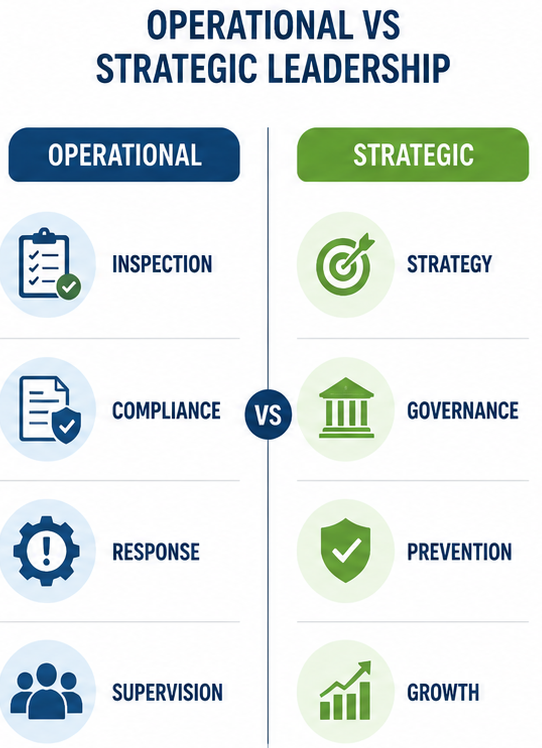
Strategic Leadership vs Operational Management
| Operational Management | Strategic Leadership |
|---|---|
| Conducting inspections | Developing organisational safety strategies |
| Monitoring compliance | Influencing board-level decisions |
| Investigating incidents | Managing enterprise-wide risks |
| Delivering safety briefings | Building safety culture |
| Managing daily activities | Aligning safety with business goals |
For example, an operational manager may focus on ensuring compliance at a specific site, while a strategic leader focuses on how health and safety impacts organisational performance, reputation, employee wellbeing, and long-term business objectives.
How the Qualification Differs from Traditional Academic Programmes
Unlike many traditional qualifications that rely on classroom learning, written assignments, and examinations, the ProQual Level 7 Diploma uses a competency-based assessment approach. This means learners are assessed on their ability to apply knowledge and leadership skills within their actual workplace rather than simply demonstrating theoretical understanding.
The qualification is designed to evaluate how professionals perform in real-world situations, making it highly relevant to senior leadership roles. This practical approach ensures that learners can demonstrate measurable contributions to organisational performance, governance, compliance, and risk management.
Competency-Based Assessment
Candidates are assessed on their ability to:
- Apply knowledge in workplace situations.
- Lead health and safety initiatives.
- Manage organisational risks.
- Influence strategic decision-making.
- Implement governance frameworks.
- Drive continuous improvement.
- Deliver measurable business outcomes.
Examples of Workplace Evidence
To demonstrate competence, learners may submit:
- Strategic health and safety plans.
- Risk management frameworks.
- Organisational policies and procedures.
- Audit and inspection reports.
- Leadership meeting records.
- Safety performance reviews.
- Governance reports.
- Continuous improvement projects.
- Training and development records.
- Compliance monitoring activities.
This evidence is reviewed by assessors to verify that the learner has successfully demonstrated the skills, knowledge, and leadership capabilities required to meet the qualification standards. This practical assessment method is one of the main reasons why the qualification is highly valued by employers across multiple industries.
Benefits of Workplace-Based Assessment
Workplace-based assessment offers several advantages:
| Traditional Assessment | Workplace-Based Assessment |
|---|---|
| Focuses on theoretical knowledge | Focuses on practical competence |
| Examination-driven | Evidence-driven |
| Classroom-oriented | Workplace-oriented |
| Tests memory and understanding | Demonstrates real performance |
| Limited workplace relevance | Direct workplace application |
This practical approach makes the qualification highly attractive to both learners and employers.
Qualification Overview
The ProQual Level 7 Diploma is structured to support experienced professionals who are already working within leadership, management, compliance, governance, or risk-related roles.
What Does Level 7 Mean?
Level 7 qualifications are considered advanced qualifications that demonstrate high-level professional knowledge, strategic thinking, leadership capability, and complex decision-making skills.
At this level, learners are expected to:
- Analyse complex situations.
- Develop strategic solutions.
- Evaluate organisational performance.
- Lead organisational improvement.
- Influence stakeholders effectively.
- Manage significant responsibilities.
The qualification is therefore suitable for professionals who already possess substantial workplace experience and are seeking to strengthen their strategic leadership capabilities.
Key Objectives of the Qualification
The ProQual Level 7 Diploma in Strategic Health and Safety Leadership and Management is designed to develop professionals who can lead health and safety at a strategic level while contributing to overall organisational success. The qualification focuses on building leadership capability, strengthening risk management practices, improving governance systems, and supporting continuous organisational improvement.
Develop Strategic Leadership Skills
One of the primary objectives of the qualification is to develop leaders who can influence organisational direction and integrate health and safety into wider business strategies. Learners gain the ability to lead change, influence senior stakeholders, drive improvement initiatives, and promote a culture of accountability and excellence throughout the organisation.
Improve Risk Management Capability
Effective risk management is essential for organisational success. The qualification helps professionals identify strategic risks, assess vulnerabilities, develop control measures, and implement proactive approaches that prevent incidents before they occur. This enables organisations to become more resilient and better prepared for future challenges.
Strengthen Governance and Compliance
The qualification develops an understanding of governance frameworks, compliance systems, accountability structures, and performance monitoring processes. Learners gain the skills needed to ensure legal compliance while supporting strong organisational oversight and effective decision-making.
Promote a Positive Safety Culture
A strong safety culture encourages employees to take ownership of health and safety responsibilities and actively participate in improvement efforts. The qualification helps leaders develop communication, engagement, and leadership strategies that create safer and more responsible workplaces.
Support Organisational Performance and Continuous Improvement
Learners develop the ability to measure performance, analyse trends, identify opportunities for improvement, and implement effective solutions. This supports operational efficiency, workforce wellbeing, business continuity, and long-term organisational success.
Why This Qualification Matters
Modern organisations operate in increasingly complex environments where health and safety has become a strategic business priority rather than simply a compliance requirement. Businesses face a variety of challenges, including changing regulations, technological advancements, workforce wellbeing concerns, sustainability expectations, and growing stakeholder demands.
As a result, organisations need professionals who can think strategically, manage risks proactively, and align health and safety objectives with broader business goals. The ProQual Level 7 Diploma equips learners with the leadership, governance, and risk management capabilities needed to address these challenges effectively and contribute to long-term organisational success.
The Growing Need for Strategic Leaders
Health and safety leaders are no longer expected to focus solely on inspections, audits, and compliance activities. They are increasingly required to influence business decisions, support corporate governance, improve organisational culture, and strengthen business resilience.
This qualification prepares professionals to take on these responsibilities by developing advanced leadership and management skills that can be applied across a wide range of industries and organisational settings.
Moving Beyond Compliance
Traditionally, health and safety was often viewed as a legal obligation. Today, organisations recognise that effective health and safety leadership contributes to productivity, employee engagement, operational performance, stakeholder confidence, and sustainable growth.
The qualification helps professionals move beyond compliance-focused approaches and adopt a strategic perspective that supports both safety performance and business objectives.
Organisational Benefits
Organisations that employ strategically competent health and safety leaders often experience significant improvements in performance, resilience, and workplace culture.
Reduced Workplace Incidents
Strategic leaders focus on prevention rather than reaction. By identifying risks early and implementing effective control measures, organisations can reduce accidents, injuries, and operational disruptions.
Improved Operational Efficiency
Effective health and safety management supports productivity by reducing downtime, improving resource utilisation, and creating safer working environments that enable employees to perform effectively.
Enhanced Employee Wellbeing
Modern health and safety leadership extends beyond physical safety to include mental health, wellbeing, and employee engagement. This contributes to a healthier, more motivated, and more productive workforce.
Stronger Stakeholder Confidence
Organisations with strong health and safety leadership often enjoy greater trust from employees, customers, investors, regulators, and business partners. This can enhance reputation and create competitive advantages.
Better Compliance and Governance
Strong leadership supports compliance with legal requirements while improving governance, accountability, and organisational oversight.
Increased Business Resilience
Strategic leaders help organisations prepare for and respond to challenges such as workplace incidents, supply chain disruptions, technological changes, and unexpected crises, ensuring continuity and long-term stability.
Individual Benefits
The ProQual Level 7 Diploma offers substantial benefits for professionals seeking career advancement and leadership development.
Greater Professional Credibility
Achieving a Level 7 qualification demonstrates advanced knowledge, leadership capability, and professional competence. This can enhance credibility with employers, clients, senior leaders, and industry stakeholders.
Enhanced Decision-Making Skills
The qualification develops critical thinking, strategic analysis, problem-solving, and risk evaluation skills. These capabilities help professionals make informed decisions that balance safety objectives with business priorities.
Career Progression Opportunities
The qualification can support progression into senior positions such as:
- Health and Safety Director
- Head of Health and Safety
- Senior HSE Manager
- Risk Manager
- Compliance Director
- Health and Safety Consultant
It provides a strong foundation for professionals seeking leadership and executive-level roles.
Increased Earning Potential
Professionals with advanced leadership qualifications are often better positioned to access higher-level roles with greater responsibilities and improved earning opportunities. Employers value individuals who can influence organisational performance and manage strategic risks effectively.
Professional Recognition
The qualification demonstrates a commitment to professional development and continuous learning. It helps individuals strengthen their professional profile, build industry recognition, and stand out in competitive job markets.
Long-Term Career Value
Beyond immediate career benefits, the qualification equips professionals with transferable leadership, governance, and risk management skills that remain valuable throughout their careers. These competencies can support success across multiple industries and evolving organisational environments.
Importance and Benefits of Strategic Health and Safety Leadership
Strategic health and safety leadership plays a vital role in improving organisational performance, strengthening governance, managing risks, and supporting long-term business success. Unlike traditional approaches that focus mainly on compliance, strategic leadership helps organisations anticipate challenges, improve decision-making, build a positive safety culture, and achieve sustainable growth.
Benefits for Learners
This qualification equips professionals with advanced skills in:
- Leadership and management
- Strategic planning
- Risk governance
- Performance management
- Compliance oversight
- Organisational change management
These competencies help learners influence stakeholders, manage complex risks, improve organisational performance, and progress into senior leadership positions.
Benefits for Employers
Organisations benefit from leaders who can:
- Improve health and safety performance
- Reduce workplace incidents and associated costs
- Strengthen compliance and governance systems
- Enhance employee wellbeing and engagement
- Build a positive safety culture
- Improve business resilience and continuity
Effective strategic leadership enables organisations to create safer workplaces while supporting productivity, reputation, and long-term success.
Operational Management vs Strategic Leadership
Operational management focuses on day-to-day safety activities such as inspections, compliance monitoring, and incident response. Strategic leadership, on the other hand, focuses on long-term planning, risk prevention, governance, organisational improvement, and business-wide performance. The ProQual Level 7 Diploma is designed to develop professionals who can operate at this strategic level and influence organisational success.
Who Should Enrol?
The ProQual Level 7 Diploma is designed for experienced professionals who have responsibilities for health and safety, risk management, governance, compliance, or organisational leadership. It is particularly suitable for individuals who want to strengthen their strategic leadership capabilities and progress into senior management positions.
Ideal Candidates Include:
- Senior Health and Safety Managers
- Directors and Executives
- Risk Managers
- Compliance Managers
- Health and Safety Consultants
- Operations and Project Managers
- Corporate Governance Professionals
- Business Continuity Managers
- ESG and Sustainability Professionals
The qualification is ideal for professionals who influence organisational performance, decision-making, and workplace culture rather than those focused solely on operational safety activities.
Common Challenges in Strategic Health and Safety Leadership
Leading health and safety at a strategic level presents several challenges, even for experienced professionals. Successful leaders must overcome organisational barriers while driving continuous improvement and cultural change.
Common Challenges
Resistance to Change
Employees and managers may resist new initiatives due to uncertainty, lack of understanding, or concerns about additional responsibilities. Effective leaders overcome this through communication, engagement, and training.
Limited Resources
Health and safety programmes often compete with other business priorities for funding, personnel, and management attention. Strategic leaders must demonstrate the business value of safety investments.
Inconsistent Leadership Commitment
When leaders fail to consistently demonstrate their commitment to safety, employee confidence and engagement can decline. Visible leadership is essential for building trust and accountability.
Poor Communication
Ineffective communication can lead to misunderstandings, low engagement, and inconsistent implementation of safety initiatives. Successful leaders promote clear, timely, and two-way communication.
Weak Safety Culture
A culture where employees are reluctant to report concerns or participate in improvement activities can limit organisational progress. Building a strong safety culture requires continuous leadership commitment and employee involvement.
Regulatory Complexity
Organisations must keep pace with evolving legislation, standards, and compliance requirements. Strategic leaders play an important role in ensuring ongoing regulatory compliance.
Risk Factors and Causes
Ineffective health and safety leadership can result from a combination of leadership, organisational, and external factors.
Leadership Risks
Common leadership-related risks include:
- Lack of strategic vision
- Weak accountability
- Poor communication
- Insufficient competence
- Limited stakeholder engagement
These issues can negatively affect decision-making, performance, and organisational culture.
Organisational Risks
Organisational systems can also create challenges when they are poorly designed or managed.
Examples include:
- Weak governance structures
- Poor reporting systems
- Limited employee involvement
- Ineffective risk controls
- Lack of performance monitoring
Addressing these issues helps improve accountability and organisational effectiveness.
External Risks
External factors can significantly influence organisational health and safety performance.
These include:
- Regulatory changes
- Emerging technologies
- Supply chain disruptions
- Economic uncertainty
- Environmental and sustainability pressures
Strategic leaders must monitor these factors and adapt their approaches accordingly.
Leadership Makes the Difference
Many organisations invest heavily in policies, procedures, audits, and technology but still struggle with safety performance. In most cases, the issue is not the absence of systems but the lack of effective leadership. Strategic leaders create accountability, encourage engagement, improve communication, and integrate safety into everyday business decisions. This leadership-driven approach helps organisations move from reactive compliance to proactive risk management and long-term improvement.
Assessment and Evaluation Process
One of the key advantages of the ProQual Level 7 Diploma in Strategic Health and Safety Leadership and Management is its competency-based assessment approach. Rather than relying on traditional examinations, the qualification assesses how learners apply leadership, governance, compliance, and risk management skills within their actual workplace roles.
Competency-Based Assessment
The qualification focuses on practical performance rather than theoretical knowledge alone. This approach enables candidates to demonstrate their ability to:
- Apply knowledge in real workplace situations
- Lead health and safety initiatives
- Manage organisational risks
- Influence decision-making
- Drive continuous improvement
- Deliver measurable business outcomes
Because assessment is based on workplace competence, employers often view the qualification as strong evidence of professional capability and leadership effectiveness.
Portfolio of Evidence
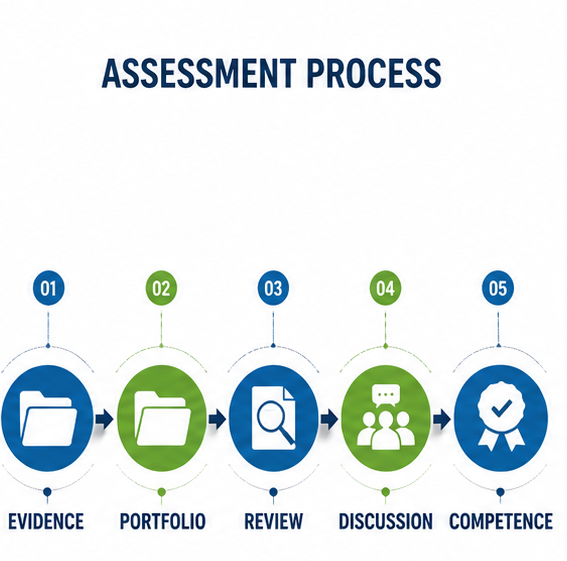
Assessment is primarily conducted through a portfolio of evidence that demonstrates the learner’s workplace achievements and leadership activities. The portfolio should be well organised, relevant, and reflect genuine professional practice.
Examples of evidence may include:
- Risk assessments
- Strategic health and safety plans
- Policies and procedures
- Audit and inspection reports
- Leadership meeting records
- Performance reviews and KPI reports
- Governance documentation
- Continuous improvement initiatives
- Training and development records
Assessment Methods
The qualification uses several assessment methods to evaluate competence, including:
- Portfolio review
- Workplace evidence
- Professional discussions
- Document evaluation
- Assessor feedback and verification
Professional discussions allow learners to explain their decision-making processes, leadership approaches, and strategic contributions, helping assessors confirm workplace competence.
Best Practices for Successful Completion
To complete the qualification successfully, candidates should:
- Collect evidence throughout the programme
- Maintain organised and up-to-date records
- Demonstrate leadership and strategic influence
- Focus on measurable outcomes and improvements
- Show engagement with employees, managers, and stakeholders
A proactive approach to evidence collection makes the assessment process more efficient and helps demonstrate genuine professional competence.
Roles and Responsibilities of Strategic Health and Safety Leaders
Strategic health and safety leaders play a critical role in shaping organisational performance, managing risks, and influencing workplace culture. Their responsibilities extend beyond operational safety management and focus on long-term organisational success.
Key Responsibilities
Strategic leaders are responsible for:
- Developing organisational health and safety strategies
- Establishing governance and accountability frameworks
- Managing organisational risks
- Allocating resources effectively
- Monitoring safety performance indicators
- Supporting continuous improvement
- Ensuring regulatory compliance
- Influencing organisational culture and behaviours
Driving Organisational Success
Effective leaders align health and safety objectives with business goals, helping organisations improve performance, strengthen resilience, and create safer working environments. They also promote employee engagement, support informed decision-making, and ensure accountability at all levels of the organisation.
Compliance, Standards and Regulations
Compliance is a fundamental aspect of strategic health and safety leadership. However, successful organisations view compliance as a foundation for continuous improvement rather than the ultimate goal.
Key Compliance Areas
Strategic leaders are responsible for ensuring:
- Legal and regulatory compliance
- Effective policy implementation
- Internal audit programmes
- External inspection readiness
- Corrective action management
- Ongoing performance monitoring
Benefits of Strong Compliance Management
Effective compliance systems help organisations:
- Reduce legal and financial risks
- Improve organisational reputation
- Strengthen stakeholder confidence
- Enhance governance and accountability
- Improve operational performance
By maintaining robust compliance frameworks, organisations can create safer workplaces while supporting sustainable business growth and long-term success.rategic leaders view compliance as the foundation rather than the ultimate goal.
Compliance Management
Effective compliance management helps organisations meet legal requirements while maintaining strong governance and operational performance. Strategic health and safety leaders ensure that compliance systems are implemented, monitored, and continuously improved.
Key Areas of Compliance Management
- Legal compliance with relevant health and safety legislation.
- Policy implementation to support organisational requirements.
- Internal audits to evaluate system effectiveness.
- External inspections to demonstrate regulatory compliance.
- Corrective action management to address issues and prevent recurrence.
Benefits of Compliance
Strong compliance management helps organisations:
- Reduce legal and financial risks.
- Improve reputation and stakeholder trust.
- Strengthen governance and accountability.
- Enhance operational performance.
- Increase investor and customer confidence.
Tools, Technologies and Innovations
Technology is playing an increasingly important role in modern health and safety management. Strategic leaders use digital tools to improve visibility, efficiency, communication, and decision-making.
Emerging Technologies
AI-Powered Safety Analytics
Artificial intelligence helps organisations analyse data, identify trends, predict risks, and support proactive decision-making.
Digital Risk Management Platforms
Digital systems centralise safety information and provide benefits such as real-time reporting, automated workflows, and improved record management.
Wearable Safety Devices
Wearable technologies can monitor worker wellbeing, fatigue, environmental conditions, and workplace exposure risks.
Real-Time Reporting Systems
Cloud-based platforms allow organisations to report incidents, monitor performance, and respond quickly to emerging risks.
Industry Applications
The ProQual Level 7 Diploma is relevant across a wide range of industries where effective risk management and leadership are essential.
Construction
Supports the management of high-risk activities, contractor safety, and regulatory compliance.
Manufacturing
Helps improve process safety, workforce protection, and operational efficiency.
Oil and Gas
Develops leadership capabilities for managing major hazards, complex operations, and regulatory requirements.
Healthcare
Supports patient safety, staff wellbeing, infection control, and clinical risk management.
Logistics and Transportation
Focuses on fleet safety, driver wellbeing, operational resilience, and supply chain risk management.
Utilities
Helps organisations strengthen infrastructure protection, emergency preparedness, and workforce safety.
Real-World Example
Case Study: Improving Safety Culture Through Strategic Leadership
A multinational manufacturing company experienced recurring workplace incidents despite having extensive safety procedures and compliance systems. Investigations revealed inconsistent leadership engagement, limited employee involvement, and a reactive approach to safety management.
A newly appointed Health and Safety Director introduced leadership engagement programmes, strategic risk assessments, employee participation initiatives, and regular safety performance reviews. Within two years, incident rates decreased, reporting improved, employee engagement increased, and the organisation developed a stronger safety culture. This demonstrates how effective leadership can drive long-term organisational improvement.
Common Mistakes to Avoid
Even experienced professionals can make mistakes that limit the effectiveness of health and safety programmes.
Focusing Only on Compliance
Compliance is essential, but organisations should also focus on culture, engagement, and continuous improvement rather than simply meeting legal requirements.
Ignoring Employee Engagement
Employees play a crucial role in identifying risks and supporting improvement initiatives. Lack of engagement often leads to weaker safety performance.
Weak Performance Monitoring
Without clear performance measures, organisations struggle to evaluate effectiveness and identify improvement opportunities.
Reactive Leadership
Waiting for incidents to occur before taking action increases organisational risk. Strategic leaders focus on prevention, anticipation, and proactive risk management.
Failing to Align Safety with Business Strategy
Health and safety should support wider organisational goals. When safety is integrated into business planning, organisations achieve stronger performance, greater resilience, and more sustainable outcomes.
Future Trends and Developments
- AI and Predictive Analytics
Predictive systems will help organisations prevent incidents before they occur.
- ESG Integration
Environmental, Social, and Governance (ESG) considerations are increasingly influencing health and safety strategies.
- Mental Health and Wellbeing
Organisations are expanding health and safety programmes to include psychological wellbeing.
- Data-Driven Governance
Real-time data will improve decision-making and accountability.
- Workforce Digitisation
Digital tools will continue transforming safety management practices
Conclusion
The ProQual Level 7 Diploma in Strategic Health and Safety Leadership and Management is a highly respected qualification for professionals seeking to lead health and safety performance at a strategic level. By developing advanced competencies in governance, leadership, risk management, compliance, and organisational culture, the diploma prepares learners to make a meaningful impact within their organisations while advancing their professional careers.
As organisations continue to face complex operational, regulatory, and strategic challenges, the demand for capable health and safety leaders will continue to grow. Investing in this qualification can provide the knowledge, credibility, and leadership skills needed to succeed in today’s evolving workplace environment.