QualCert Level 3 Diploma in Dental Implantology
Master Essential Principles of Dental Implantology

Course Level
Level 3
Course Type
Non-Ofqual
Awarding Body
QualCert
Credits
60
Study Mode
Online
Assessment
Assignment Based
Course Overview
What is this course
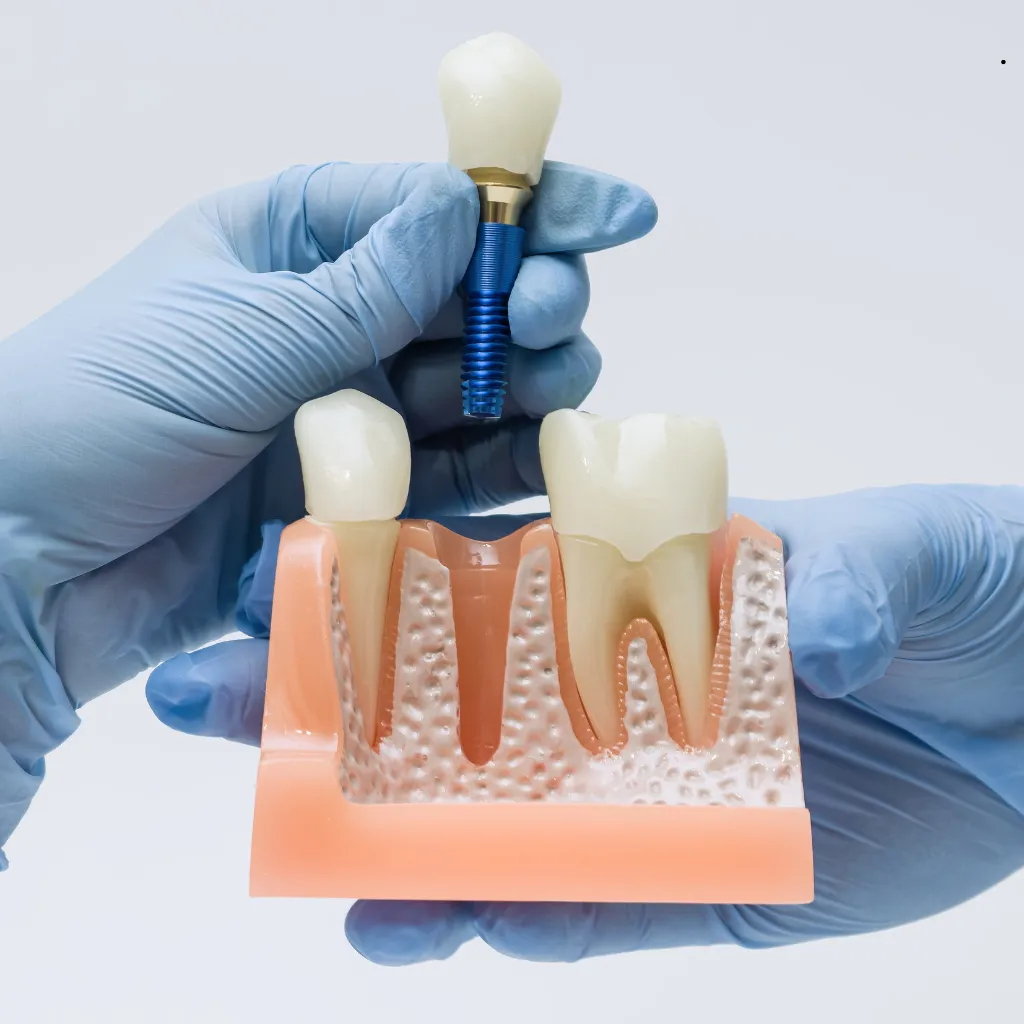
The QualCert Level 3 Diploma in Dental Implantology is a professionally structured qualification designed to introduce learners to the fundamental principles, concepts, and clinical applications of dental implantology. This course provides a comprehensive understanding of implant systems and their role in modern restorative dentistry, focusing on the replacement of missing teeth through implant-based solutions that restore function, comfort, and oral health stability.
The programme explores the biological and mechanical principles of osseointegration, implant materials, implant components, and the stages involved in implant treatment planning and placement. Learners are introduced to essential topics such as oral anatomy relevant to implant placement, radiographic assessment, case selection, treatment planning considerations, and the importance of maintaining optimal bone and soft tissue health for implant success.
In addition, the qualification examines infection control protocols, surgical safety considerations, patient assessment, and post-treatment care principles. Emphasis is placed on understanding the step-by-step workflow of implant procedures, from initial evaluation through to prosthetic restoration, ensuring a structured approach to clinical decision-making.
The QualCert Level 3 Diploma in Dental Implantology provides a strong academic foundation in implant dentistry, enabling learners to understand contemporary implant concepts, treatment protocols, and the scientific principles that support predictable and effective dental implant outcomes in clinical practice.
Course Content
Detailed Curriculum Structure
The QualCert Level 3 Diploma in Dental Implantology, offers 60 Credits, requiring a Total Qualification Time (TQT) of 300 hours, including 210 Guided Learning Hours (GLH).
Who Should Attend
Target Audience and Participants
This qualification is designed for individuals seeking to build a strong foundation in dental implantology and understand the principles of implant-based restorative dentistry.
- Students interested in dentistry, oral healthcare, or dental surgery foundations.
- Dental professionals seeking to gain introductory knowledge of implant dentistry.
- Dental nurses and dental hygienists aiming to expand their understanding of implant procedures and care.
- Dental technicians interested in implant components, prosthetic restorations, and laboratory workflows.
- Healthcare practitioners involved in patient care who wish to understand dental implant treatment processes.
- Clinicians looking to strengthen their knowledge of implant assessment, planning, and maintenance.
- Individuals preparing for further studies or training in restorative or surgical dentistry.
- Professionals working in dental clinics or laboratories supporting implant-related treatments.
- Researchers and learners interested in dental implant materials, systems, and clinical applications.
- CPD-focused professionals seeking to enhance their knowledge of modern implant dentistry practices.
Career & Learning Benefits
Skills, Knowledge & Opportunities You Will Earn
This qualification provides learners with a structured understanding of dental implant principles while supporting foundational knowledge in modern implant dentistry and restorative treatment concepts.
- Develop a clear understanding of the principles, components, and stages of dental implant treatment.
- Gain knowledge of osseointegration, implant materials, and biological processes involved in implant success.
- Understand patient assessment, case selection, and treatment planning in implant dentistry.
- Build awareness of surgical procedures, implant placement concepts, and clinical protocols.
- Enhance knowledge of prosthetic restoration techniques and implant-supported rehabilitation.
- Develop understanding of post-treatment care, maintenance, and long-term implant success factors.
- Strengthen knowledge of infection control, safety protocols, and clinical risk management in implant procedures.
- Improve analytical thinking and decision-making skills in implant case evaluation.
- Gain awareness of radiographic interpretation and diagnostic considerations in implant planning.
- Build a strong academic foundation for further study in advanced implantology and restorative dentistry.
- Increase professional credibility through a recognised qualification in implant dentistry fundamentals.
- Support opportunities in dental clinics, implant centres, dental laboratories, and oral healthcare environments involved in restorative treatments.
Need More Information?
Frequently Asked Questions Explained
Enrollment Criteria
Minimum Eligibility Criteria for Enrollment
Lock In Your Spot
Get in Touch
+44 2035 764371
+44 7441 396751
info@ictqual.co.uk
www.inspirecollege.co.uk