ICTQual International Level 4 Diploma in Airport and Cargo Operations

ICT logo
ICTQual International Level 4 Diploma in Airport and Cargo Operations

Course Level

Level 4

Course Type

Non- Ofqual

Awarding Body

ICTQual 

Duration

40 Credits hours

Study Mood

Online

Assessment

Assignments Based

Course Overview

What is this course

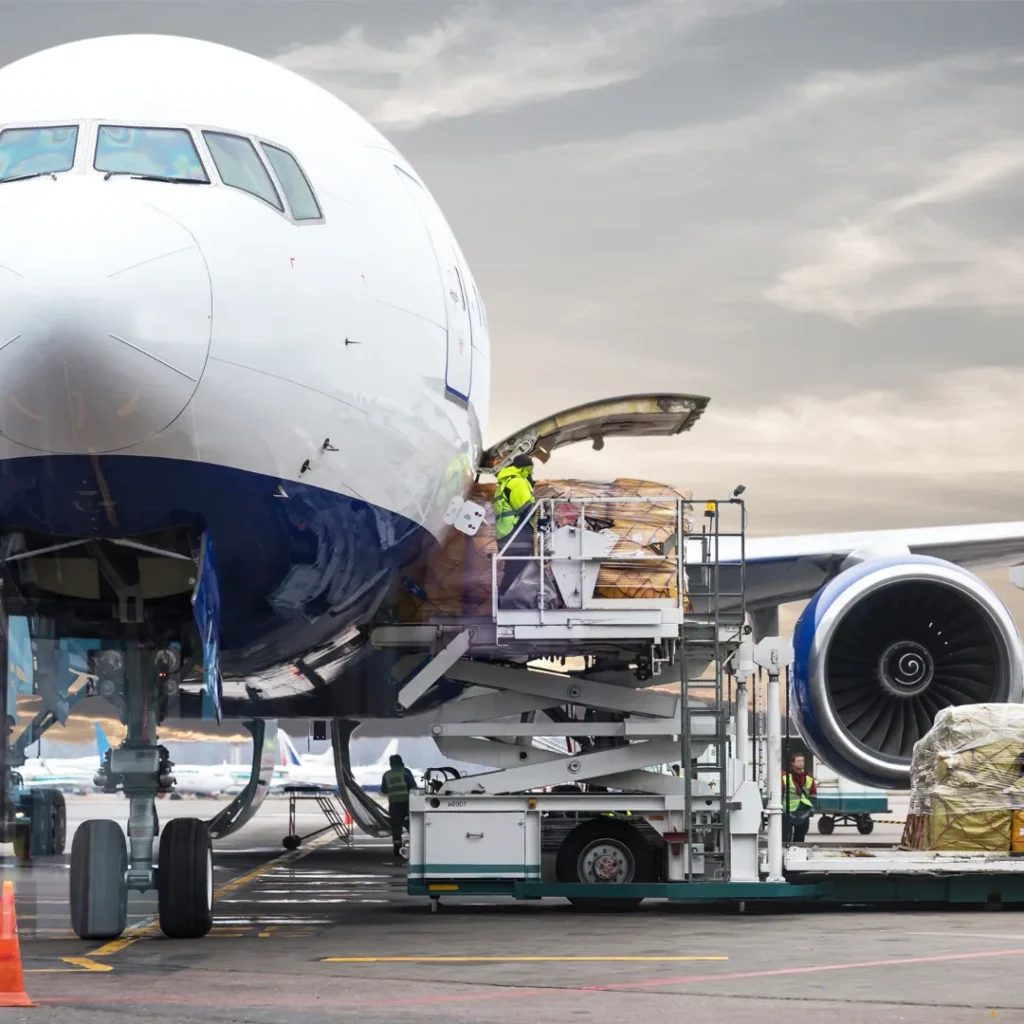
The ICTQual International Level 4 Diploma in Airport and Cargo Operations is an entry‑level qualification designed to provide learners with a solid foundation in aviation and cargo management. This program introduces the essential principles of airport operations, cargo handling, and logistics, making it ideal for individuals who are new to the industry or seeking to build a career in aviation. With a clear and structured approach, the diploma ensures that learners can easily understand the basics and gradually develop confidence in applying them.

Learners will explore key topics such as airport services, cargo documentation, safety procedures, and international trade practices. The course also highlights the importance of teamwork, communication, and operational efficiency, which are vital for success in airport and cargo environments. By combining theoretical knowledge with practical insights, the diploma prepares learners to handle everyday challenges in aviation logistics. The content is presented in a user‑friendly format, making it accessible to learners from diverse educational and professional backgrounds.

Completing this diploma opens doors to entry‑level career opportunities in airports, airlines, cargo handling companies, and logistics organizations worldwide. It is a valuable qualification for those seeking to enhance their employability and gain industry‑relevant skills. With its practical focus and accessible curriculum, the ICTQual Level 4 Diploma equips learners with the knowledge and confidence needed to begin a successful career in airport and cargo operations.

Course Content

Detailed Curriculum Structure

This qualification, the ICTQual International Level 4 Diploma in Airport and Cargo Operations, consists of 6 mandatory units.

  1. Airport Terminal Operations and Flow Management
  2. Cargo Revenue and Cost Control
  3. Advanced Cargo Documentation and Compliance
  4. Airport Security and Risk Management
  5. Air Cargo Warehousing and Inventory Control
  6. Team Leadership in Airport Operations

Learning Objectives

Learning Outcomes for the ICTQual International Level 4 Diploma in Airport and Cargo Operations:

Airport Terminal Operations and Flow Management

  • Demonstrate understanding of terminal operations and passenger flow systems.
  • Apply procedures to manage check‑in, boarding, and baggage processes efficiently.
  • Recognise the importance of time management in terminal flow coordination.
  • Evaluate the role of technology in improving terminal operations.
  • Communicate effectively with staff and passengers to ensure smooth operations.
  • Apply safety and security protocols within terminal environments.
  • Identify challenges in passenger and cargo flow and propose practical solutions.
  • Reflect on the impact of efficient terminal management on customer satisfaction.

Cargo Revenue and Cost Control

  • Demonstrate knowledge of revenue management principles in cargo operations.
  • Apply cost control techniques to improve operational efficiency.
  • Recognise the importance of accurate pricing, tariffs, and rate structures.
  • Analyse financial performance indicators in cargo operations.
  • Evaluate strategies for maximising cargo revenue while reducing costs.
  • Apply knowledge of budgeting and forecasting in cargo management.
  • Communicate financial data effectively to stakeholders and team members.
  • Reflect on the role of cost control in sustaining profitability in aviation logistics.

Advanced Cargo Documentation and Compliance

  • Demonstrate understanding of international cargo documentation requirements.
  • Apply correct procedures for airway bills, manifests, and customs forms.
  • Recognise the importance of accuracy and compliance in documentation.
  • Evaluate the role of digital systems in managing cargo documentation.
  • Apply knowledge of international trade regulations and conventions.
  • Identify risks of non‑compliance and propose preventive measures.
  • Communicate effectively with customs and regulatory authorities.
  • Reflect on the role of documentation in ensuring smooth cargo movement.

Airport Security and Risk Management

  • Demonstrate knowledge of airport security frameworks and regulations.
  • Apply risk assessment techniques to identify potential threats.
  • Recognise the importance of compliance with international security standards.
  • Apply correct procedures for screening passengers, baggage, and cargo.
  • Evaluate the role of technology in enhancing airport security.
  • Communicate effectively with security teams and regulatory bodies.
  • Develop contingency plans for emergency and security incidents.
  • Reflect on the importance of risk management in protecting passengers and assets.

Air Cargo Warehousing and Inventory Control

  • Demonstrate understanding of warehouse operations in air cargo logistics.
  • Apply procedures for safe storage, handling, and movement of cargo.
  • Recognise the importance of inventory control systems in warehouse management.
  • Evaluate the role of automation and technology in cargo warehousing.
  • Apply safety and compliance standards in warehouse environments.
  • Communicate effectively with warehouse teams and logistics partners.
  • Identify challenges in inventory management and propose solutions.
  • Reflect on the role of warehousing in ensuring supply chain efficiency.

Team Leadership in Airport Operations

  • Demonstrate knowledge of leadership principles in aviation environments.
  • Apply effective communication strategies to lead diverse teams.
  • Recognise the importance of motivation and staff development.
  • Apply conflict resolution techniques in operational settings.
  • Evaluate leadership styles and their impact on team performance.
  • Develop decision‑making skills for high‑pressure airport operations.
  • Apply knowledge of workplace ethics and professional standards.
  • Reflect on the role of leadership in achieving operational excellence.

Who Should Attend

Target Audience and Participants

The ICTQual International Level 4 Diploma in Airport and Cargo Operations is designed for learners who want to begin their journey in aviation and cargo management.

  • Aspiring professionals seeking entry into the aviation industry
  • Individuals new to airport and cargo operations
  • Logistics assistants aiming to expand into aviation services
  • Airline support staff looking to strengthen operational knowledge
  • Cargo handling employees seeking structured training
  • Port and terminal staff transitioning to airport logistics
  • Students interested in building a career in aviation management
  • Entrepreneurs exploring opportunities in cargo and logistics businesses
  • Learners aiming to gain a recognized qualification for employability

Career & Learning Benefits

Skills, Knowledge & Opportunities You Will Earn

Completing the ICTQual International Level 4 Diploma in Airport and Cargo Operations provides learners with practical skills and career advantages.

  • Gain a strong foundation in airport and cargo operations
  • Understand essential cargo documentation and safety procedures
  • Improve teamwork and communication skills in aviation logistics
  • Enhance employability in airports, airlines, and logistics firms
  • Develop confidence to manage entry‑level airport operations
  • Access career opportunities in aviation and cargo handling companies
  • Acquire industry‑relevant knowledge for long‑term growth
  • Build practical skills for real‑world aviation challenges
  • Achieve recognition with an internationally respected qualification

Need More Information?

Frequently Asked Questions Explained

Earning this Level 4 diploma demonstrates your technical competence to airlines, ground handling agencies, and freight forwarders worldwide. it serves as a critical stepping stone toward a Level 5 Diploma or a career as a Lead Agent or Shift Supervisor.

The curriculum includes essential training on IATA and ICAO safety standards for ground handling and cargo processing. You will learn the correct procedures for handling general freight and identifying restricted items to ensure the security of the global aviation supply chain.

You will gain a practical understanding of aircraft turnaround processes, ramp safety, and baggage management systems. This training ensures you can coordinate ground activities efficiently while maintaining the strict time schedules required by international airlines.

Yes, this Level 4 qualification is designed as a foundational management tier that leads directly into the Level 5 Diploma. It provides the technical background necessary to move from frontline operational roles into supervisory and team-leading positions.

The Level 4 curriculum introduces the fundamental principles of identifying and handling various cargo types, including general freight and time-sensitive goods. It focuses on the documentation and labeling requirements necessary to ensure safe transport and compliance with global shipping regulations.

Enrollment Criteria

Minimum Eligibility Criteria for Enrollment

  • Age 18 or above
  • A basic secondary education or equivalent qualification is recommended
  • No prior work experience is required, though exposure to logistics or aviation is helpful
  • Proficiency in English (reading, writing, speaking)

Lock In Your Spot

Get in Touch

+44 2035 764371

+44 7441 396751

info@ictqual.co.uk

www.inspirecollege.co.uk

Similar Posts