ICTQual Level 4 Diploma in Taxidermy and Animal Preservation Techniques
Master the Art of Animal Preservation with ICTQual
Course Level
Level 4
Course Type
Non- Ofqual
Awarding Body
ICTQual
Duration
40 Credits
Study Mood
Online
Assessment
Assignments Based
Course Overview
What is this course
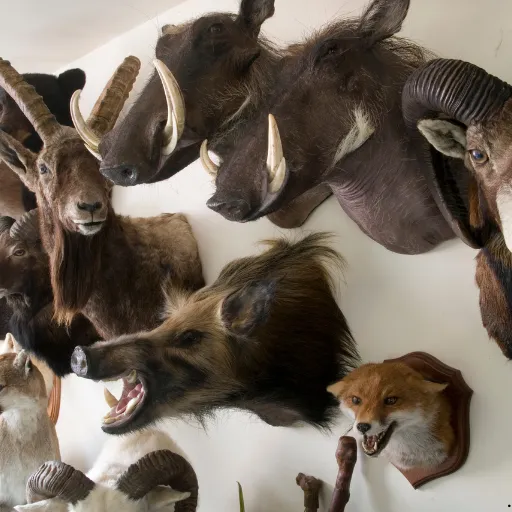
The ICTQual Level 4 Diploma in Taxidermy and Animal Preservation Techniques is a specialized qualification designed for individuals passionate about the art and science of animal preservation. Taxidermy is a unique discipline that combines craftsmanship, biology, and conservation, requiring precision, creativity, and technical expertise. This diploma provides learners with the knowledge and skills to preserve specimens for educational, scientific, and artistic purposes while maintaining respect for ethical and professional standards.
The program covers a wide range of topics, including anatomy, specimen preparation, preservation methods, mounting techniques, and display practices. Learners will gain hands-on experience in handling different species, applying preservation materials, and using specialized tools to achieve lifelike results. Emphasis is placed on both traditional and modern approaches, ensuring graduates are equipped with versatile techniques that meet contemporary industry requirements.
Upon successful completion, learners will be able to demonstrate advanced competence in taxidermy and animal preservation, opening pathways to careers in museums, educational institutions, wildlife conservation projects, and private practice. This diploma not only enhances employability but also supports the preservation of biodiversity through accurate and respectful representation of animal specimens.
Course Content
Detailed Curriculum Structure
This qualification, the ICTQual Level 4 Diploma in Taxidermy and Animal Preservation Techniques, consists of 6 mandatory units.
Who Should Attend
Target Audience and Participants
- Aspiring taxidermists seeking formal training and certification
- Museum and gallery professionals involved in specimen display and preservation
- Wildlife conservationists and researchers requiring preservation skills for study
- Artists and designers interested in integrating taxidermy into creative practice
- Educators and academic staff teaching biology, zoology, or natural sciences
- Veterinary and animal care professionals expanding into preservation techniques
- Hobbyists and enthusiasts passionate about animal preservation and lifelike mounting
- Individuals pursuing careers in heritage, conservation, or scientific collections management
Career & Learning Benefits
Skills, Knowledge & Opportunities You Will Earn
- Accredited Qualification – Gain a recognized Level 4 diploma that validates your expertise in taxidermy and animal preservation.
- Specialized Skills – Develop advanced techniques in specimen preparation, mounting, and preservation across diverse species.
- Hands-On Training – Acquire practical experience with tools, materials, and methods used in professional taxidermy.
- Career Opportunities – Enhance employability in museums, galleries, conservation projects, education, and private practice.
- Creative Application – Apply artistic and scientific approaches to produce lifelike, educational, and display-ready specimens.
- Conservation Value – Contribute to biodiversity preservation and scientific study through accurate specimen representation.
- Expert Guidance – Learn from experienced professionals with backgrounds in zoology, conservation, and heritage management.
- Global Recognition – Strengthen your professional profile with an internationally respected qualification.
Need More Information?
Frequently Asked Questions Explained
Enrollment Criteria
Minimum Eligibility Criteria for Enrollment
Lock In Your Spot
Get in Touch
+44 2035 764371
+44 7441 396751
info@ictqual.co.uk
www.inspirecollege.co.uk