Level 2 Award in Bird Watching Techniques
Level up your bird watching expertise today

Course Level
Level 2
Course Type
Non- Ofqual
Awarding Body
ICTQual
Duration
2 days
Study Mood
Online
Assessment
Assignments Based
Course Overview
What is this course
The ICTQual Level 2 Award in Bird Watching Techniques is designed for learners who want to develop practical skills in observing, identifying, and recording bird species in a variety of habitats. This course introduces participants to the fundamentals of ornithology, fieldwork methods, and the ethical considerations of bird watching. It blends theory with hands‑on practice, ensuring learners gain confidence in recognizing bird characteristics, behaviors, and ecological roles.
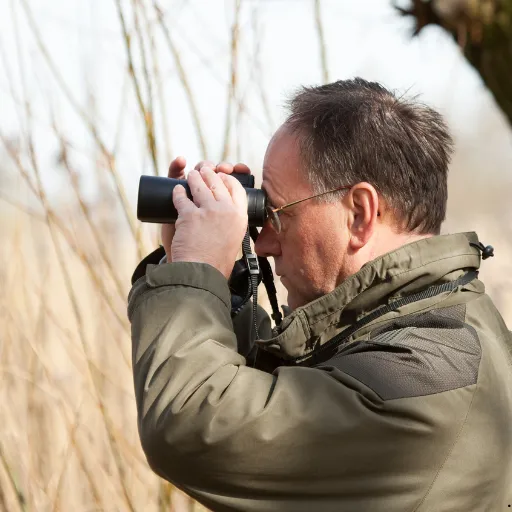
Throughout the program, learners will explore essential techniques such as using binoculars effectively, maintaining observation logs, and applying identification guides. The course also emphasizes the importance of conservation awareness, helping participants understand how bird watching contributes to environmental protection and biodiversity monitoring. By engaging in structured activities, learners build both technical knowledge and appreciation for the natural world.
On completion, learners will be equipped with the skills to pursue bird watching as a rewarding hobby or as a foundation for further study in wildlife and environmental sciences. The qualification also enhances employability in areas such as eco‑tourism, conservation projects, and education. With its balance of academic insight and practical application, this award provides a pathway to deeper engagement with nature and professional opportunities in the field of environmental management.
Course Content
Detailed Curriculum Structure
This qualification, the ICTQual Level 2 Award in Bird Watching Techniques, consists of 3 mandatory units.
Who Should Attend
Target Audience and Participants
- Individuals new to bird watching who want structured guidance and practical skills.
- Nature enthusiasts seeking to deepen their knowledge of bird species and habitats.
- Students or learners interested in ornithology, ecology, or environmental sciences.
- Conservation volunteers who wish to contribute effectively to biodiversity monitoring.
- Outdoor hobbyists looking to enhance their wildlife observation techniques.
- Eco‑tourism guides or park staff aiming to improve visitor engagement through bird knowledge.
- Educators and community leaders promoting environmental awareness and outdoor learning.
- Anyone passionate about connecting with nature and developing a rewarding lifelong hobby.
Career & Learning Benefits
Skills, Knowledge & Opportunities You Will Earn
- Gain practical skills in identifying and recording bird species across diverse habitats.
- Build confidence in using binoculars, field guides, and observation tools effectively.
- Develop a deeper understanding of bird behavior, ecology, and conservation importance.
- Enhance personal enjoyment of nature through structured bird watching techniques.
- Strengthen employability in eco‑tourism, conservation, and environmental education roles.
- Contribute meaningfully to biodiversity monitoring and wildlife protection initiatives.
- Improve focus, patience, and observational skills transferable to other areas of study or work.
- Earn a recognized qualification that supports progression to higher‑level environmental or animal care courses.
Need More Information?
Frequently Asked Questions Explained
Enrollment Criteria
Minimum Eligibility Criteria for Enrollment
Lock In Your Spot
Get in Touch
+44 2035 764371
+44 7441 396751
info@ictqual.co.uk
www.inspirecollege.co.uk