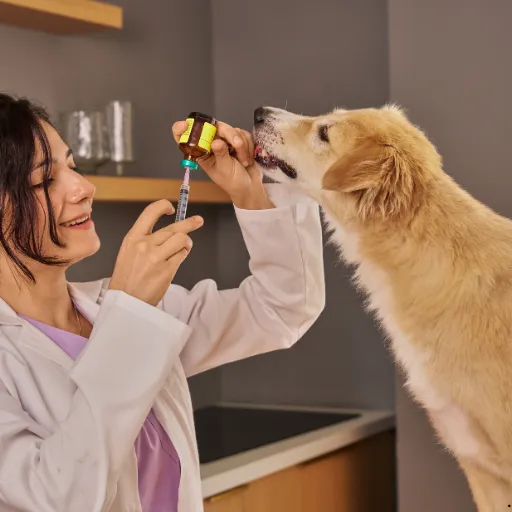
Certificate in Veterinary Care Support

ICT logo
ICTQual Level 2 Certificate in Veterinary Care Support

Course Level

Level 2

Course Type

Non- Ofqual

Awarding Body

ICTQual 

Duration

10 days

Study Mood

Online

Assessment

Assignments Based

Course Overview

What is this course

The ICTQual Level 2 Certificate in Veterinary Care Support provides learners with the foundational skills and knowledge required to assist veterinary professionals in delivering safe and effective animal healthcare. This entry‑level qualification is designed for individuals beginning their journey in veterinary support, offering a practical introduction to the responsibilities of working in animal care environments.

The course covers essential topics such as animal handling, patient monitoring, infection control, nutrition, and welfare practices. Learners also develop communication and teamwork skills, enabling them to interact confidently with veterinary staff, pet owners, and welfare organizations. With a strong emphasis on practical training, the certificate ensures learners can apply theoretical knowledge to real‑world veterinary settings.

Graduates of this program are prepared for roles in veterinary clinics, animal hospitals, welfare centers, and community care services. The qualification also serves as a stepping stone for progression into advanced veterinary nursing or specialized animal care studies. By completing this certificate, learners gain the confidence, competence, and recognition needed to contribute meaningfully to the health and wellbeing of animals.

Course Content

Detailed Curriculum Structure

This qualification, the ICTQual Level 2 Certificate in Veterinary Care Support, consists of 3 mandatory units.

  1. Animal Welfare and Health Awareness
  2. Practical Animal Handling and Care Techniques
  3. Veterinary Clinic Support and Client Communication

Learning Objectives

Learning Outcomes for the ICTQual Level 2 Certificate in Veterinary Care Support:

Animal Welfare and Health Awareness

  • Understand the principles of animal welfare and their importance in veterinary care.
  • Recognize signs of illness, injury, or distress in cats, dogs, and other companion animals.
  • Learn the basic anatomy and physiology relevant to veterinary care support roles.
  • Understand the requirements for nutrition, hydration, and general health of animals.
  • Gain knowledge of disease prevention, hygiene, and infection control practices.
  • Develop awareness of legal and ethical responsibilities related to animal care.
  • Learn to monitor animal behavior and welfare effectively.
  • Build confidence in identifying potential risks to animal health and safety.

Practical Animal Handling and Care Techniques

  • Develop skills in safely handling and restraining animals during routine care.
  • Learn procedures for grooming, cleaning, and maintaining a healthy environment for animals.
  • Understand safe methods for moving and transporting animals within a veterinary setting.
  • Gain competence in administering basic care such as feeding, exercise, and observation.
  • Learn to assist veterinary professionals during examinations and treatments.
  • Apply infection control and hygiene protocols during hands-on animal care.
  • Develop the ability to recognize and respond to signs of stress or discomfort in animals.
  • Build confidence in performing daily care tasks under supervision.

Veterinary Clinic Support and Client Communication

  • Understand the roles and responsibilities of a veterinary care support worker in a clinic.
  • Learn to manage appointments, patient records, and administrative tasks efficiently.
  • Develop professional communication skills for interacting with clients and colleagues.
  • Gain skills in providing accurate information and reassurance to pet owners.
  • Understand how to maintain confidentiality and comply with data protection regulations.
  • Learn to assist in clinical procedures while ensuring safety and comfort for animals.
  • Develop teamwork skills to support veterinarians, nurses, and other clinic staff.
  • Build confidence in maintaining a professional and welcoming environment for clients and animals.

Who Should Attend

Target Audience and Participants

  • Individuals starting their career in animal healthcare support
  • Aspiring veterinary care assistants seeking foundational training
  • Pet owners and animal enthusiasts wanting structured knowledge in care practices
  • School leavers or career changers interested in entry‑level veterinary roles
  • Staff in animal shelters, welfare centers, or community care services
  • Volunteers in veterinary clinics or hospitals aiming to formalize their skills
  • Learners passionate about animal welfare and responsible care practices
  • Those planning to progress into advanced veterinary nursing or specialized animal care studies

Career & Learning Benefits

Skills, Knowledge & Opportunities You Will Earn

  • Gain foundational skills to assist veterinary professionals in animal healthcare
  • Learn safe animal handling, patient monitoring, and welfare practices
  • Strengthen knowledge in infection control, nutrition, and basic anatomy
  • Develop communication and teamwork skills for working with veterinary staff and pet owners
  • Enhance employability with a recognized entry‑level qualification in veterinary care support
  • Access career opportunities in clinics, hospitals, shelters, and community care services
  • Build confidence to progress into advanced veterinary nursing or specialized animal care studies
  • Contribute meaningfully to animal health and wellbeing through professional support skills

Need More Information?

Frequently Asked Questions Explained

Learners gain competence in safe animal handling, patient monitoring, infection control, nutrition, and welfare practices. Communication and teamwork skills are also emphasized to prepare learners for working with veterinary staff and pet owners.

Graduates can pursue roles such as veterinary care assistant, animal hospital support worker, welfare center assistant, or community care worker. The certificate also provides a foundation for progression into advanced veterinary nursing or specialized animal care studies.

Successful learners are awarded the ICTQual Level 2 Certificate in Veterinary Care Support, a recognized qualification that enhances employability in animal healthcare.

Yes. While it is an entry‑level qualification, it provides a strong foundation for learners who wish to progress into advanced veterinary nursing or specialized animal care training.

Yes, ICTQual qualifications are designed to meet international standards, making them valuable for learners seeking opportunities both locally and abroad. Recognition may vary depending on country and employer requirements.

Enrollment Criteria

Minimum Eligibility Criteria for Enrollment

  • Proficiency in English (reading, writing, speaking)
  • No formal qualifications needed; interest in animal care preferred
  • Empathy, responsibility, and motivation to work with animals
  • Age 16 or above

Lock In Your Spot

Get in Touch

+44 2035 764371

+44 7441 396751

info@ictqual.co.uk

www.inspirecollege.co.uk

Similar Posts