LICQual Professional Rigger Diploma (Level 1 to 3) – 30 Credits

ICT logo
LICQual Professional Rigger Diploma (Level 1 to 3) – 30 Credits

Course Level

(Level 1 to 3)

Course Type

Non- Ofqual

Awarding Body

LICQual

Credits

30 Credits

Study Mood

Online

Assessment

Assignments Based

Course Overview

What is this course

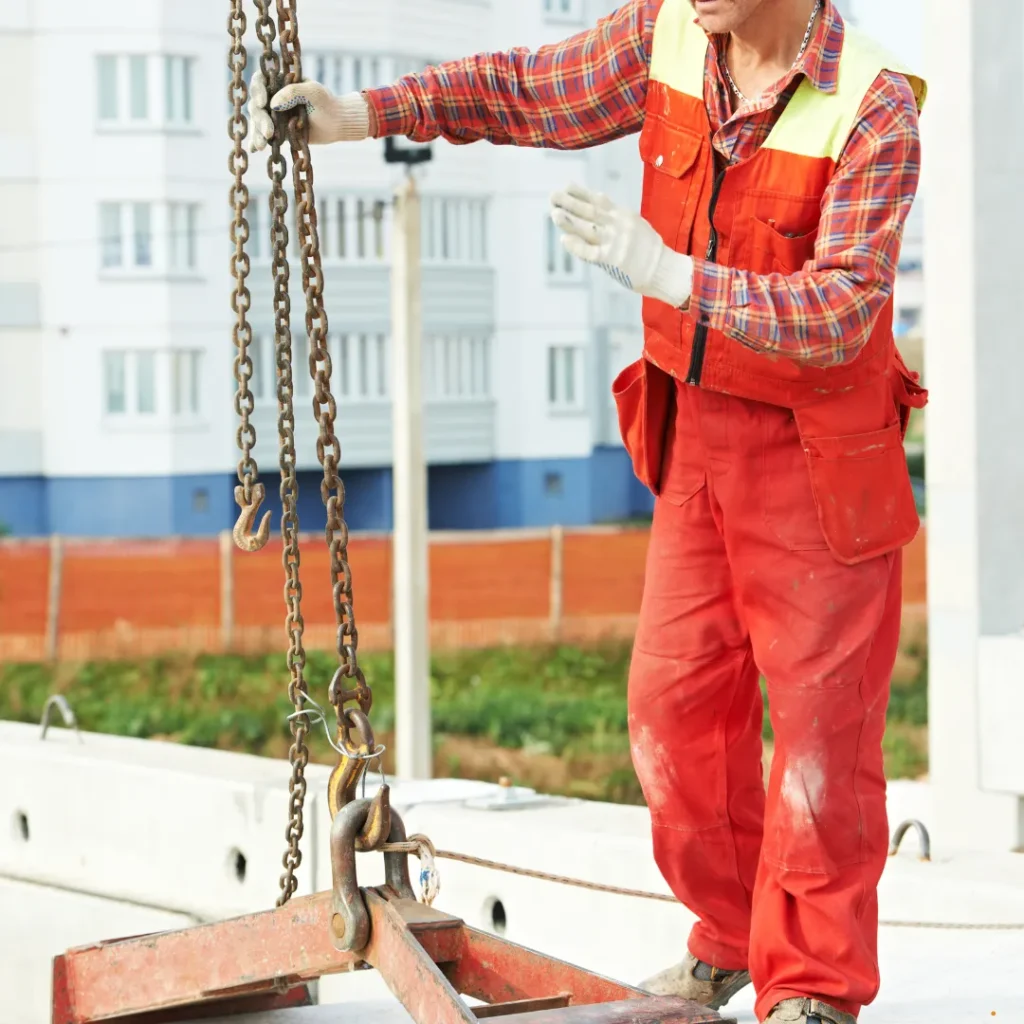
The LICQual Professional Rigger Diploma (Level 1 to 3) – 30 Credits is a comprehensive qualification designed to develop skilled and safety-conscious rigging professionals for the construction, oil and gas, shipping, and industrial sectors. This program provides a structured pathway from basic to advanced rigging knowledge, ensuring learners gain the technical competence required to handle lifting operations safely and efficiently.

Throughout the course, learners are introduced to essential rigging principles, lifting techniques, equipment selection, load calculations, and safe working practices. The program also emphasizes international safety standards, risk assessment, and communication skills required for coordinating complex lifting operations in industrial environments. Practical understanding is a key focus, helping learners apply theoretical knowledge to real-world job scenarios.

By completing this diploma, learners will be fully prepared to work as professional riggers in high-demand industries. The qualification enhances career prospects, strengthens workplace safety awareness, and builds confidence in managing lifting operations. It is ideal for individuals seeking to enter the rigging field or advance their existing careers in heavy lifting and industrial operations.

Course Content

Detailed Curriculum Structure

This qualification LICQual Professional Rigger Diploma (Level 1 to 3) – 30 Credits consists of 6 mandatory units.

  • Introduction to Rigging and Safety Protocols
  • Rigging Equipment and Tools: Identification and Handling
  • Lifting Operations and Load Calculations
  • Advanced Rigging Techniques and Systems
  • Rigging for High-Risk Environments
  • Inspection, Maintenance, and Regulatory Compliance

Learning Objectives

By the end of this course, learners will be able to:

1. Introduction to Rigging and Safety Protocols

  • Demonstrate a foundational understanding of rigging concepts and terminology.
  • Recognize the importance of safety in rigging operations and apply safety protocols effectively.
  • Identify potential hazards and risk factors associated with rigging and lifting operations.
  • Develop an understanding of safety equipment and personal protective gear used in rigging activities.

2. Rigging Equipment and Tools: Identification and Handling

  • Identify different types of rigging equipment and tools used in lifting operations.
  • Understand the proper handling, storage, and maintenance of rigging equipment.
  • Demonstrate the ability to select appropriate equipment for specific rigging tasks.
  • Explain the limitations and working capacities of rigging tools and equipment.

3. Lifting Operations and Load Calculations

  • Perform load calculations to determine the appropriate rigging equipment for lifting operations.
  • Understand the principles of load distribution, weight calculations, and center of gravity.
  • Apply proper lifting techniques and procedures to ensure safe and efficient operations.
  • Demonstrate the ability to conduct a risk assessment for lifting operations and make necessary adjustments.

4. Advanced Rigging Techniques and Systems

  • Master advanced rigging techniques and systems, including complex lifting scenarios.
  • Understand the principles of multi-point and multi-line rigging setups.
  • Apply techniques for rigging in challenging environments, including confined spaces or complex configurations.
  • Evaluate the use of mechanical advantage systems, such as pulleys and winches, in advanced rigging.

5. Rigging for High-Risk Environments

  • Identify and understand the unique challenges of rigging in high-risk environments, such as offshore, construction, or hazardous areas.
  • Develop strategies for ensuring safety and operational efficiency in high-risk rigging operations.
  • Demonstrate the application of specialized equipment and techniques for working in hazardous environments.
  • Evaluate risk management practices and implement control measures to mitigate hazards in high-risk settings.

6. Inspection, Maintenance, and Regulatory Compliance

  • Conduct inspections of rigging equipment to ensure it meets safety standards and operational readiness.
  • Implement maintenance procedures to prolong the life and reliability of rigging tools and equipment.
  • Understand and apply regulatory requirements and industry standards for rigging operations.
  • Demonstrate knowledge of reporting and documentation practices for maintaining compliance with safety and regulatory standards.

Who Should Attend

Target Audience and Participants

  • Aspiring riggers seeking to start a professional career in lifting and rigging operations across industrial sectors.
  • Construction workers and site laborers who want to upgrade their skills into certified rigging roles.
  • Crane operators and lifting assistants aiming to improve their technical understanding of safe lifting practices.
  • Oil and gas field workers involved in heavy lifting, installation, and offshore or onshore operations.
  • Warehouse and logistics staff handling load movement, material handling, and equipment coordination.
  • Safety officers and supervisors responsible for ensuring compliance with lifting and rigging safety standards.
  • Industrial technicians and maintenance staff working with heavy equipment and mechanical operations.
  • Individuals seeking employment abroad in construction, shipping, and heavy industry sectors.
  • Fresh learners interested in entering a high-demand skilled trade with strong career growth potential.
  • Anyone motivated to work in a physically active, safety-focused, and technical industrial environment.

Career & Learning Benefits

Skills, Knowledge & Opportunities You Will Earn

  • Gain professional rigging skills required for safe and efficient lifting operations in industrial environments
  • Develop strong knowledge of lifting equipment, load handling, and rigging techniques
  • Improve workplace safety awareness by learning international safety standards and procedures
  • Enhance practical abilities to support crane operations and heavy load movements
  • Build confidence in planning and executing safe lifting operations in real job settings
  • Increase job opportunities in construction, oil and gas, shipping, and industrial sectors
  • Strengthen problem-solving skills for handling complex lifting and rigging challenges
  • Learn risk assessment techniques to prevent accidents and ensure operational safety
  • Boost career growth potential from entry-level roles to advanced rigging positions
  • Prepare for international employment opportunities in high-demand skilled labor markets

Need More Information?

Frequently Asked Questions Explained

This diploma is structured across Level 1 to Level 3, providing a clear progression from basic to advanced rigging skills. It focuses not only on practical lifting techniques but also on safety standards, leadership in rigging operations, and international industry practices.

The step-by-step structure allows learners to start from foundational skills and gradually move to advanced rigging operations. This ensures better understanding, safety awareness, and professional growth at each stage.

Compared to short-term courses, this diploma provides long-term career value by preparing learners for skilled, supervisory, and international rigging roles in industries like construction, oil and gas, and shipping.

The training aligns with internationally recognized rigging practices and safety protocols, making learners suitable for employment in global industrial and construction markets.

Practical training is integrated with theory, allowing learners to understand real-life lifting scenarios, equipment handling, and teamwork coordination rather than just classroom-based learning.

Enrollment Criteria

Minimum Eligibility Criteria for Enrollment

  • 18 years or above
  • Proficiency in English (reading, writing, speaking)
  • Good physical fitness suitable for manual and field-based rigging work
  • Interest in construction, lifting operations, and industrial safety
  • Basic education (Matriculation or equivalent qualification)

Lock In Your Spot

Get in Touch

+44 2035 764371

+44 7441 396751

info@ictqual.co.uk

www.inspirecollege.co.uk

Similar Posts