LICQual Level 4 Diploma in Controlling Lifting Operations –Supervising Lifts
Lead Safe Lifting Operations with Confidence and Expertise
Course Level
Level 4
Course Type
Non- Ofqual
Awarding Body
LICQual
Credits
60 Credits
Study Mood
Online
Assessment
Assignments Based
Course Overview
What is this course
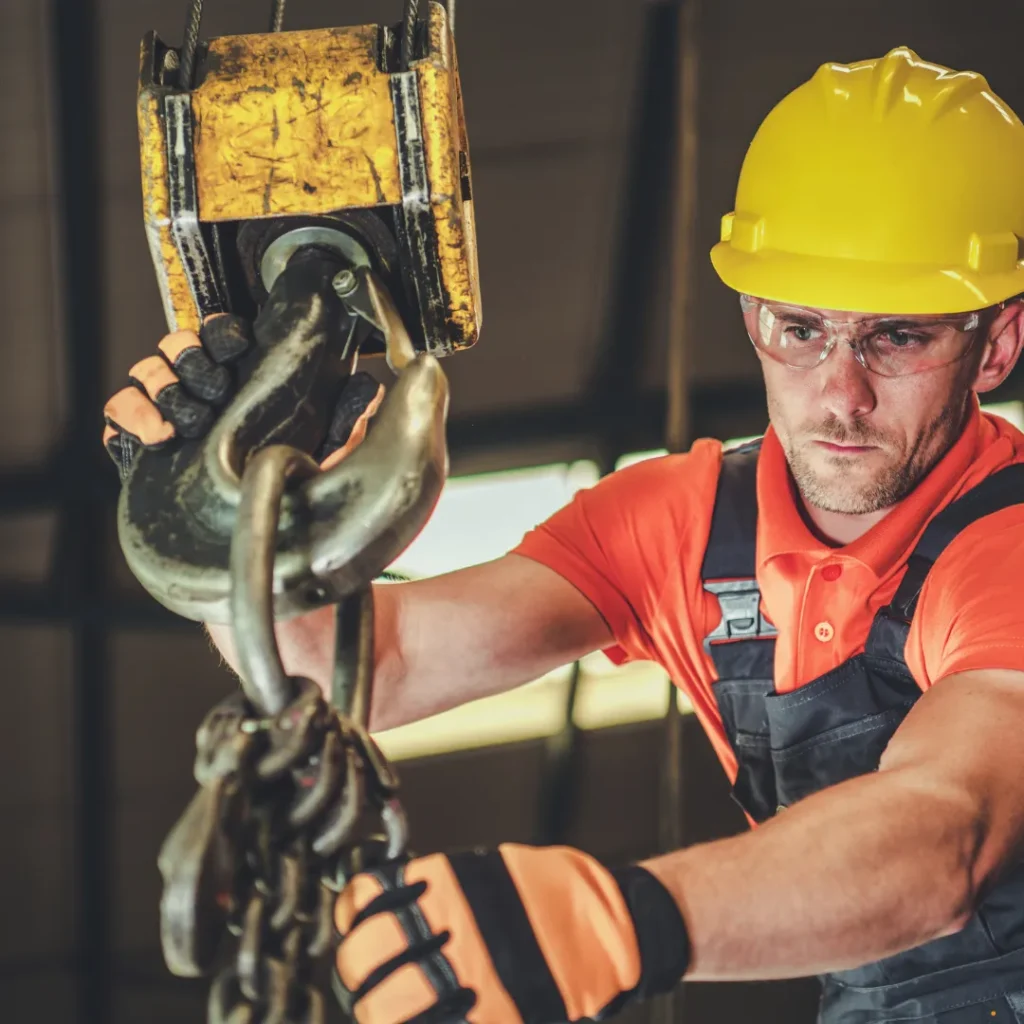
The LICQual Level 4 Diploma in Controlling Lifting Operations – Supervising Lifts is designed for professionals who want to develop advanced skills in managing and supervising lifting operations in industrial and construction settings. This diploma equips learners with the knowledge to plan, control, and oversee lifting activities safely and efficiently, ensuring compliance with legal and industry standards.
Learners will gain expertise in risk assessment, lift planning, equipment inspection, and safety protocols. The course covers supervisory responsibilities, communication, and coordination techniques necessary to manage lifting teams and complex lifting operations. By combining theoretical knowledge with practical application, participants are prepared to handle the challenges of industrial lifting operations confidently and responsibly.
This diploma is ideal for supervisors, team leaders, site managers, and safety officers working in construction, engineering, manufacturing, or other industries involving lifting operations. Completing the LICQual Level 4 Diploma in Controlling Lifting Operations – Supervising Lifts enhances professional credibility, improves workplace safety, and opens career opportunities in supervisory and management roles within lifting operations. Participants will leave equipped to ensure safe, efficient, and compliant lifting practices on every project.
Course Content
Detailed Curriculum Structure
This qualification LICQual Level 4 Diploma in Controlling Lifting Operations –Supervising Lifts consists of 6 mandatory units.
Who Should Attend
Target Audience and Participants
The LICQual Level 4 Diploma in Controlling Lifting Operations – Supervising Lifts is designed for professionals responsible for planning, supervising, and managing lifting operations in industrial, construction, or engineering environments. It is ideal for those aiming to enhance safety, compliance, and operational efficiency in lifting activities.
- Site supervisors and team leaders responsible for overseeing lifting operations.
- Lifting operation coordinators seeking formal certification and advanced skills.
- Safety officers and compliance professionals working in construction, manufacturing, or industrial sectors.
- Engineers and project managers involved in planning and managing lifting activities.
- Operators and personnel aspiring to advance their career in lifting supervision.
- Professionals preparing for leadership roles in industrial lifting and heavy equipment operations.
This course equips learners with the knowledge and practical skills to manage lifting operations safely, effectively, and in compliance with industry regulations.
Career & Learning Benefits
Skills, Knowledge & Opportunities You Will Earn
- Master Lifting Supervision Skills: Learn to plan, manage, and supervise lifting operations safely and efficiently.
- Enhance Safety and Compliance: Understand legal, regulatory, and industry standards, ensuring operations meet OSHA, ISO, and other requirements.
- Leadership Development: Gain the skills to coordinate teams, communicate effectively, and lead lifting operations with confidence.
- Practical Knowledge Application: Develop hands-on skills in equipment inspection, risk assessment, and emergency response during lifting tasks.
- Boost Career Opportunities: Qualify for roles such as lifting supervisor, site manager, operations coordinator, or safety officer in construction, industrial, and engineering sectors.
- Risk Management Expertise: Learn to identify hazards, implement mitigation strategies, and maintain safe working environments.
- Professional Credibility: Earn a recognized Level 4 diploma that enhances your professional profile and demonstrates expertise in lifting operations.
- Preparation for Advanced Roles: Build a foundation for higher-level certifications and leadership roles in industrial operations.
- Technological Awareness: Stay updated on advancements in lifting equipment and technologies to improve operational efficiency.
Need More Information?
Frequently Asked Questions Explained
Enrollment Criteria
Minimum Eligibility Criteria for Enrollment
Lock In Your Spot
Get in Touch
+44 2035 764371
+44 7441 396751
info@ictqual.co.uk
www.inspirecollege.co.uk