LICQual Level 3 Diploma in Basic Life Support BLS Training

ICT logo
LICQual Level 3 Diploma in Basic Life Support BLS Training

Course Level

Level 3

Course Type

Non- Ofqual

Awarding Body

LICQual

Credits

60 Credits

Study Mood

Online

Assessment

Assignments Based

Course Overview

What is this course

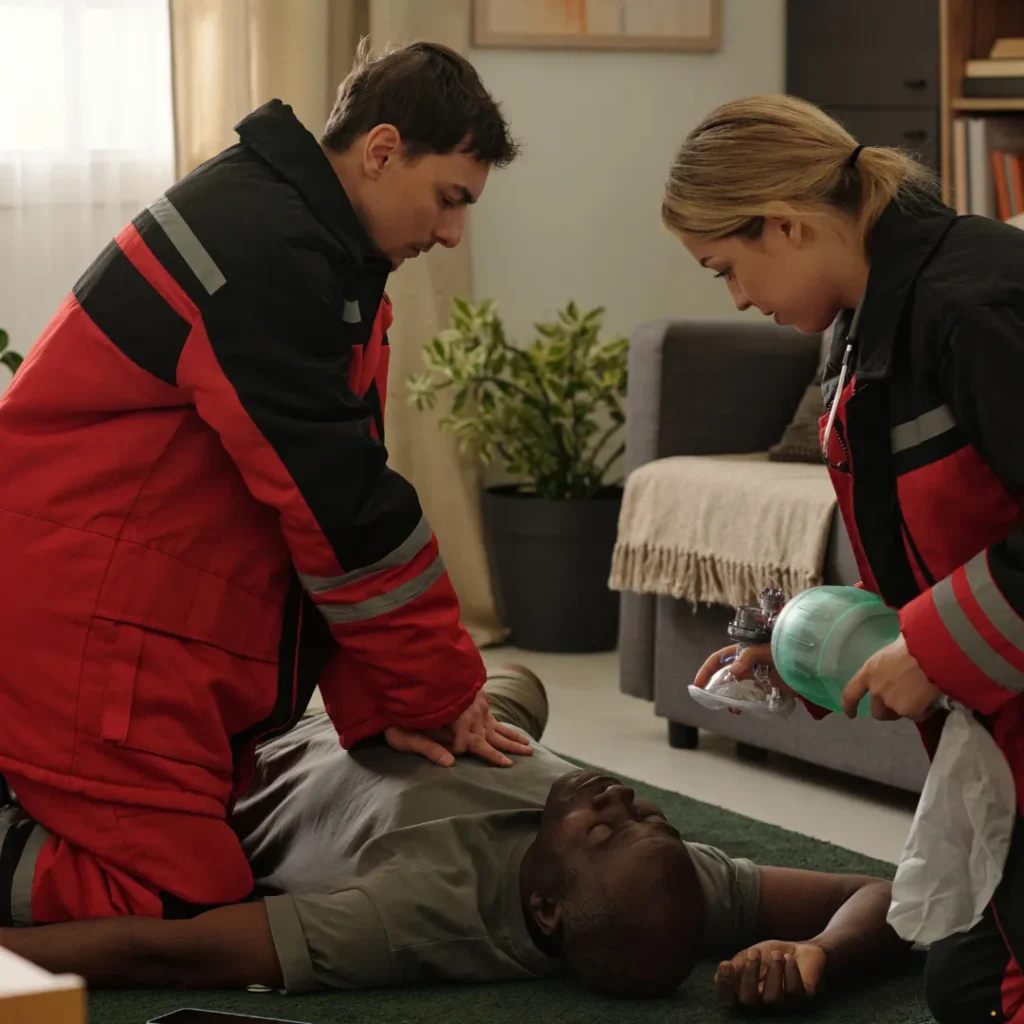
The LICQual Level 3 Diploma in Basic Life Support (BLS) Training is a specialized program designed to equip learners with essential life-saving skills. The course focuses on understanding and applying cardiopulmonary resuscitation (CPR), automated external defibrillator (AED) usage, and emergency response techniques to handle critical situations confidently.

Learners gain hands-on experience in assessing emergency scenarios, performing effective resuscitation, and providing immediate care to individuals experiencing cardiac or respiratory distress. The program emphasizes practical training, ensuring participants can respond swiftly and efficiently during real-life emergencies.

Completing this diploma prepares individuals for careers in healthcare, first aid, emergency response, and community safety. Graduates acquire the confidence and competence to save lives, contribute to safer environments, and pursue further certifications in advanced life support or emergency care.

Course Content

Detailed Curriculum Structure

This qualification LICQual Level 3 Diploma in Basic Life Support BLS Training consists of 6 mandatory units.

  • Advanced Cardiac Arrest Management and CPR Techniques
  • Use of AED and Advanced Airway Management
  • Managing Trauma and Medical Emergencies
  • Scene Safety, Risk Assessment, and Immediate Action
  • Post-Emergency Recovery and Care
  • Ethical and Legal Framework for Emergency Care Providers

Learning Objectives

By the end of this course, learners will be able to:

Advanced Cardiac Arrest Management and CPR Techniques

  • Demonstrate advanced CPR techniques for adults, children, and infants, tailored to the severity of cardiac arrest scenarios.
  • Apply high-quality chest compressions, correct depth, and rate in accordance with international guidelines to increase survival chances.
  • Understand and perform modifications to CPR based on the casualty’s age, condition, and the specifics of the cardiac emergency.
  • Recognize the signs of cardiac arrest and respond effectively by initiating CPR without delay.

Use of AED and Advanced Airway Management

  • Confidently use an Automated External Defibrillator (AED), including proper pad placement and following device prompts.
  • Demonstrate advanced airway management techniques, including oropharyngeal and nasopharyngeal airways, to ensure optimal oxygenation.
  • Recognize indications for advanced airway interventions and perform them safely and efficiently.
  • Integrate the use of AED with CPR and airway management for maximum recovery chances in cardiac arrest situations.

Managing Trauma and Medical Emergencies

  • Assess and manage trauma and medical emergencies such as severe bleeding, fractures, burns, and other life-threatening conditions.
  • Administer appropriate first aid for trauma, ensuring proper stabilization and preventing further injury.
  • Provide first-line management for respiratory distress, seizures, strokes, and anaphylaxis.
  • Communicate effectively with other responders, ensuring proper care until emergency services arrive.

Scene Safety, Risk Assessment, and Immediate Action

  • Conduct an initial scene assessment to identify hazards and ensure safety of yourself, the casualty, and others.
  • Make quick, informed decisions to assess severity, determine immediate actions, and prioritize treatment.
  • Take appropriate immediate actions such as activating emergency services, ensuring scene safety, and initiating CPR or first aid.
  • Adapt to dynamic emergency situations, ensuring safety while providing effective care.

Post-Emergency Recovery and Care

  • Recognize and manage the recovery process, ensuring the casualty is stable and monitored.
  • Provide post-resuscitation care, including monitoring vital signs, preventing complications, and offering psychological support.
  • Understand the importance of ongoing care and observation after initial interventions.
  • Work effectively with EMS to ensure a smooth transition of care.

Ethical and Legal Framework for Emergency Care Providers

  • Understand and apply ethical considerations, including patient consent, autonomy, and confidentiality.
  • Recognize legal responsibilities and obligations, ensuring actions comply with national regulations.
  • Understand Good Samaritan laws and how they protect responders in emergencies.
  • Provide care within legal and ethical boundaries, protecting both the casualty and responder.

Who Should Attend

Target Audience and Participants

This course is ideal for anyone who wants to gain life-saving skills and confidently respond to emergencies, whether in professional or personal settings.

  • Healthcare professionals including nurses, doctors, and paramedics
  • Emergency responders such as firefighters, EMTs, and rescue teams
  • First aid volunteers and community health workers
  • Corporate staff and workplace safety officers
  • Students or trainees interested in healthcare or emergency response
  • Caregivers and family members wanting to provide immediate care
  • Teachers and school staff responsible for student safety
  • Sports coaches and fitness instructors needing emergency preparedness
  • Non-medical professionals seeking essential life-saving skills
  • Public service personnel involved in community safety programs
  • Anyone passionate about saving lives in critical situations
  • Individuals aiming to gain confidence in responding to emergencies

Career & Learning Benefits

Skills, Knowledge & Opportunities You Will Earn

  • Gain life-saving skills for adults, children, and infants
  • Master CPR techniques and high-quality chest compressions
  • Confidently operate AEDs and perform advanced airway management
  • Learn to manage trauma, medical emergencies, and first aid situations
  • Develop quick decision-making and risk assessment abilities in emergencies
  • Enhance leadership and communication skills for emergency response teams
  • Apply ethical and legal considerations in life-saving interventions
  • Build confidence in handling real-world emergency scenarios
  • Prepare for careers in healthcare, first aid, and emergency services
  • Increase employability in hospitals, clinics, and community programs
  • Strengthen teamwork skills for coordinated emergency response
  • Contribute to safer environments by being prepared to act in crises

Need More Information?

Frequently Asked Questions Explained

This diploma equips learners with hands-on skills to respond effectively to critical situations, such as cardiac arrest, choking, or severe trauma. You will practice CPR on adults, children, and infants, use an AED confidently, manage airways, and stabilize casualties while waiting for professional help. Realistic simulations ensure that you can act quickly, safely, and efficiently in emergencies.

In addition to standard CPR, learners master advanced airway management, AED usage, trauma and medical emergency response, and post-resuscitation care. You will also learn to prioritize actions, assess risks on-site, and communicate effectively with other responders and emergency services to ensure the best outcome for the casualty.

You will learn to quickly evaluate emergency scenes for hazards to yourself, the casualty, and bystanders. Training includes risk assessment, decision-making under pressure, and immediate action strategies, including activating emergency services, securing the scene, and initiating life-saving care while keeping everyone safe.

Yes. The program covers patient consent, confidentiality, Good Samaritan laws, and the legal obligations of emergency responders. Learners gain a clear understanding of how to provide life-saving care within ethical and legal boundaries, protecting both the responder and the casualty.

Completing the diploma can enhance employment in healthcare, emergency response, first aid training, public safety, or community health programs. It also strengthens your CV and demonstrates your ability to handle critical situations with skill, confidence, and professionalism.

Enrollment Criteria

Minimum Eligibility Criteria for Enrollment

  • Minimum age 16–18 years
  • No prior medical experience required
  • Basic understanding of first aid is helpful but not mandatory
  • Proficiency in English (reading, writing, speaking)

Lock In Your Spot

Get in Touch

+44 2035 764371

+44 7441 396751

info@ictqual.co.uk

www.inspirecollege.co.uk
Similar Posts