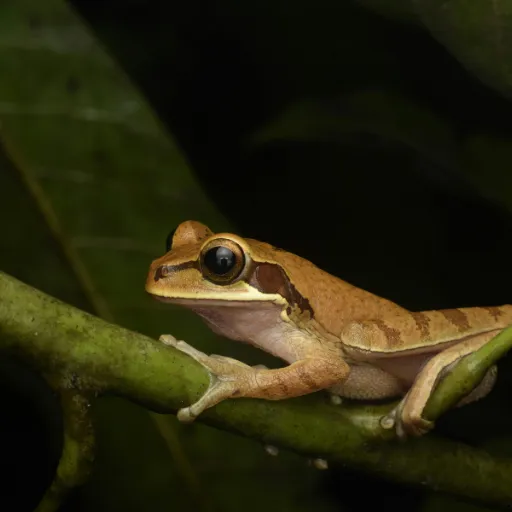
Herpetology and Herpetological Survey Techniques

ICT logo
ICTQual Level 7 Diploma in Herpetology and Herpetological Survey Techniques

Course Level

Level 7

Course Type

Non- Ofqual

Awarding Body

ICTQual 

Duration

120 Credit
Hours

Study Mood

Online

Assessment

Assignments Based

Course Overview

What is this course

The ICTQual Level 7 Diploma in Herpetology and Herpetological Survey Techniques is a specialist qualification designed for advanced learners and professionals seeking expertise in the study of reptiles and amphibians. It provides in‑depth knowledge of herpetofauna biology, ecology, and conservation, alongside the technical skills required to conduct accurate surveys and research.

Learners will explore advanced topics such as species identification, habitat assessment, ecological monitoring, and conservation strategies. The course emphasizes practical fieldwork, data collection, and ethical considerations in herpetological research. Case studies and applied projects ensure learners gain real‑world experience in designing and implementing survey methodologies.

On completion, participants will be equipped with the skills to contribute to scientific research, conservation programs, and environmental management initiatives. This diploma is ideal for professionals in zoology, ecology, and conservation, as well as those aspiring to leadership roles in herpetological studies and biodiversity protection.

Course Content

Detailed Curriculum Structure

This qualification, the ICTQual Level 7 Diploma in Herpetology and Herpetological Survey Techniques, consists of 6 mandatory units.

  1. Contemporary Challenges in Global Herpetology
  2. Cutting‑Edge Technological Innovations in Survey Science
  3. International Conservation Governance and Policy Influence
  4. Genomic and Molecular Frontiers in Herpetology
  5. Leadership in International Survey and Conservation Projects
  6. Final Research Thesis with Global Impact

Learning Objectives

Learning Outcomes for the ICTQual Level 7 Diploma in Herpetology and Herpetological Survey Techniques:

Contemporary Challenges in Global Herpetology

  • Learners will critically evaluate global threats such as habitat loss, climate change, and invasive species.
  • They will analyze socio‑economic and political factors influencing herpetofauna conservation worldwide.
  • Learners will assess case studies to identify gaps in current conservation strategies.
  • They will propose innovative solutions to address contemporary challenges in herpetology.

Cutting‑Edge Technological Innovations in Survey Science

  • Learners will explore advanced technologies including AI, drones, and remote sensing for ecological surveys.
  • They will apply digital tools to enhance precision and efficiency in herpetological monitoring.
  • Learners will evaluate the strengths and limitations of emerging technologies in diverse ecosystems.
  • They will integrate innovative survey science into professional conservation practice.

International Conservation Governance and Policy Influence

  • Learners will analyze global conservation frameworks, treaties, and biodiversity agreements.
  • They will evaluate the role of governance in shaping herpetofauna conservation outcomes.
  • Learners will assess policy influence at national and international levels.
  • They will design strategies to align conservation projects with global governance standards.

Genomic and Molecular Frontiers in Herpetology

  • Learners will apply genomic tools to study species diversity, population genetics, and evolutionary biology.
  • They will evaluate molecular data to inform conservation planning and species recovery programs.
  • Learners will assess the role of genetic applications in monitoring endangered species.
  • They will integrate molecular frontiers into advanced ecological research and biodiversity management.

Leadership in International Survey and Conservation Projects

  • Learners will develop strategic leadership skills to manage multinational conservation initiatives.
  • They will evaluate project planning, resource allocation, and team management in global contexts.
  • Learners will demonstrate advanced decision‑making and stakeholder engagement skills.
  • They will lead international collaborations to achieve biodiversity and conservation goals.

Final Research Thesis with Global Impact

  • Learners will design and conduct an independent thesis addressing critical global issues in herpetology.
  • They will apply advanced methodologies to investigate complex ecological and conservation questions.
  • Learners will critically evaluate findings to contribute to international conservation knowledge.
  • They will present a structured thesis demonstrating global impact, analytical excellence, and professional communication.

Who Should Attend

Target Audience and Participants

  • Advanced learners seeking specialist knowledge in reptile and amphibian studies.
  • Zoologists and ecologists aiming to deepen expertise in herpetofauna research.
  • Conservation professionals working on biodiversity protection and habitat management.
  • Environmental consultants requiring advanced survey and monitoring techniques.
  • Wildlife researchers and field scientists engaged in ecological data collection.
  • NGO staff and conservation project leaders focusing on reptile and amphibian conservation.
  • Academic professionals or educators expanding into herpetology and ecological sciences.
  • Enthusiasts with prior experience in animal science who wish to specialize in herpetology.

Career & Learning Benefits

Skills, Knowledge & Opportunities You Will Earn

  • Acquire advanced knowledge of reptile and amphibian biology, ecology, and conservation.
  • Master professional herpetological survey methods, data collection, and habitat assessment techniques.
  • Develop expertise in species identification and ecological monitoring in diverse environments.
  • Gain practical fieldwork experience with ethical standards in herpetological research.
  • Strengthen analytical and problem‑solving skills for biodiversity and conservation projects.
  • Enhance career opportunities in zoology, ecology, environmental consultancy, and conservation leadership.
  • Contribute to scientific research and policy development in herpetology and wildlife management.

Need More Information?

Frequently Asked Questions Explained

Yes, learners should have a background in animal science, ecology, or related fields, along with strong interest in herpetology. Prior exposure to wildlife or environmental studies is recommended.

You will master advanced herpetological survey techniques, species identification, habitat assessment, ecological monitoring, and conservation planning. The course also develops analytical, research, and fieldwork skills.

This diploma enhances career prospects in zoology, ecology, environmental consultancy, conservation leadership, and academic research. It equips learners to contribute to biodiversity protection and herpetological studies worldwide.

Yes, successful learners will be awarded the ICTQual Level 7 Diploma in Herpetology and Herpetological Survey Techniques, validating their specialist expertise.

Yes, ICTQual qualifications are designed to meet international standards, making them valuable across different countries. Recognition may vary depending on local education systems and employers, but the diploma demonstrates advanced, credible skills respected globally.

Enrollment Criteria

Minimum Eligibility Criteria for Enrollment

  • Proficiency in English (reading, writing, speaking)
  • Prior learning in animal science, ecology, or environmental studies recommended
  • Designed for advanced learners, professionals, and researchers specializing in herpetology and biodiversity
  • Age 21 or above

Lock In Your Spot

Get in Touch

+44 2035 764371

+44 7441 396751

info@ictqual.co.uk

www.inspirecollege.co.uk

Similar Posts