ICTQual Level 6 Diploma in Laser Technology
Lead in laser technology with expert skills and certification
Course Level
Level 6
Course Type
Non-Ofqual
Awarding Body
ICTQual AB
Duration
120 Credits
Study Mood
Online
Assessment
Assignments Based
Course Overview
What is this course
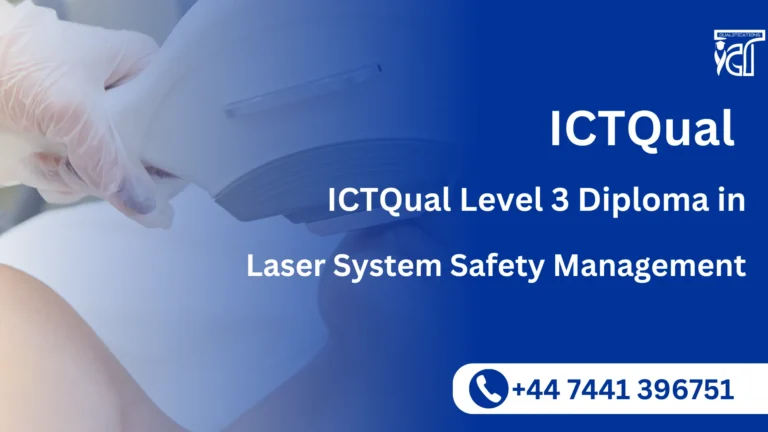
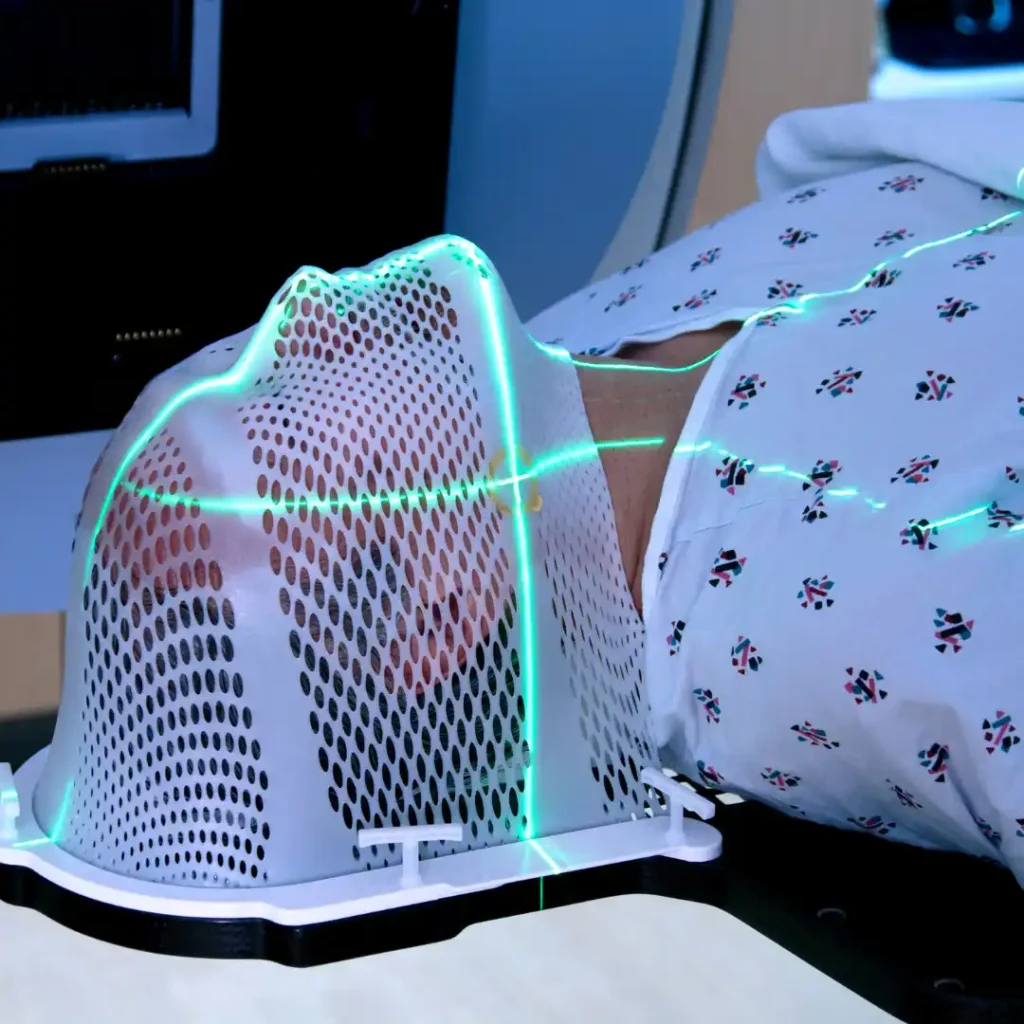
The ICTQual Level 6 Diploma in Laser Technology is an advanced qualification designed for professionals who want to excel in industrial and medical laser systems. This Level 6 Laser Technology Diploma equips learners with expert knowledge and practical skills to manage, operate, and innovate with advanced laser technologies.
Through this comprehensive program, participants will explore laser system design, operational management, safety compliance, and risk assessment. The course covers industrial applications, including manufacturing, precision engineering, and research labs, as well as medical and healthcare laser systems. Learners gain hands-on experience and insights into the latest laser technology trends, making them highly competent in both technical and leadership roles.
Completing the ICTQual Level 6 Diploma in Laser Technology enhances career prospects by preparing professionals for senior positions such as laser systems manager, safety officer, or technical lead. It also strengthens credibility, ensures compliance with international safety standards, and provides practical expertise in hazard control, equipment handling, and operational excellence.
Course Content
Detailed Curriculum Structure
This qualification, the ICTQual Level 6 Diploma in Laser Technology, consists of 6 mandatory units.
Who Should Attend
Target Audience and Participants
The ICTQual Level 6 Diploma in Laser Technology is designed for professionals seeking advanced expertise and leadership in laser systems. This course is ideal for:
• Senior engineers and technical specialists managing industrial laser systems
• Healthcare professionals overseeing medical laser operations in hospitals, clinics, or dental practices
• Safety officers and compliance managers responsible for laser safety standards
• Production and manufacturing supervisors handling complex laser equipment
• Research and development managers working with advanced precision lasers
• Laser systems designers and technical leads seeking strategic operational knowledge
• Biomedical engineers managing high-tech medical laser devices
• Professionals aiming for leadership roles in laser technology management, safety, and compliance
This course is perfect for individuals looking to combine practical laser technology skills with leadership and strategic management knowledge. Participants will gain the expertise to oversee advanced laser systems, implement safety protocols, and drive innovation across industrial and healthcare applications.
Career & Learning Benefits
Skills, Knowledge & Opportunities You Will Earn
Completing the ICTQual Level 6 Diploma in Laser Technology equips professionals with advanced skills and a recognized qualification that enhances career growth and leadership opportunities. Key benefits include:
• Gain expert knowledge in industrial and medical laser systems
• Increase eligibility for senior roles such as laser systems manager, technical lead, or safety officer
• Enhance professional credibility with a Level 6 recognized certification
• Acquire advanced skills in laser system design, operations, and compliance
• Strengthen workplace safety and operational efficiency in complex laser environments
• Open opportunities in manufacturing, research labs, hospitals, clinics, and precision engineering sectors
• Prepare for strategic and leadership roles in laser technology management
• Master hazard assessment, equipment handling, and advanced operational protocols
This diploma empowers professionals to take a proactive leadership role in managing advanced laser systems, ensuring compliance with international safety standards, and driving innovation in high-tech industrial and healthcare environments.
Need More Information?
Frequently Asked Questions Explained
Enrollment Criteria
Minimum Eligibility Criteria for Enrollment
Lock In Your Spot
Get in Touch
+44 2035 764371
+44 7441 396751
info@ictqual.co.uk
www.inspirecollege.co.uk
Follow Us


Qualification Process
Qualification Process for the ICTQual Level 6 Diploma in Laser Technology
- Self-Assessment:
Begin by evaluating your eligibility to ensure you meet the qualification requirements, including work experience, knowledge, and language proficiency. - Registration:
Complete your registration by submitting the required documents, including a scanned copy of a valid ID, and paying the registration fee. - Induction:
An assessor will conduct an induction to confirm your eligibility for the course and explain the evidence requirements. If you do not meet the criteria, your registration will be cancelled, and the fee will be refunded. - Assignments & Evidence Submission:
Provide all assignments and the necessary evidence based on the assessment criteria outlined in the course. If you are unsure of the required evidence, consult with the assessor for guidance on the type and nature of evidence needed. - Feedback and Revision:
The assessor will review your submitted evidence and provide feedback. Evidence that meets the criteria will be marked as “Criteria Met,” while any gaps will be identified. You will be asked to revise and resubmit if needed. - Competence Evidence:
Submit final evidence demonstrating that all learning outcomes have been met. This evidence will be marked as “Criteria Met” by the assessor once it is satisfactory. - Internal Quality Assurance (IQA):
The Internal Quality Assurance Verifier (IQA) will review your evidence to ensure consistency, quality, and compliance with standards. - External Verification:
The IQA will submit your portfolio to ICTQual AB External Quality Assurance Verifiers (EQA) for final confirmation. The EQA may contact you directly to verify the authenticity of your evidence. - Certification:
Upon successful completion of all checks, ICTQual AB will issue your official certificate, confirming that you have attained the ICTQual AB Level 3 Certificate in Product Quality – Safety and Security.