Diploma in Veterinary Nursing (Equine)

ICT logo
ICTQual Level 3 Diploma in Veterinary Nursing (Equine)

Course Level

Level 3

Course Type

Non- Ofqual

Awarding Body

ICTQual 

Duration

30 credits hours

Study Mood

Online

Assessment

Assignments Based

Course Overview

What is this course

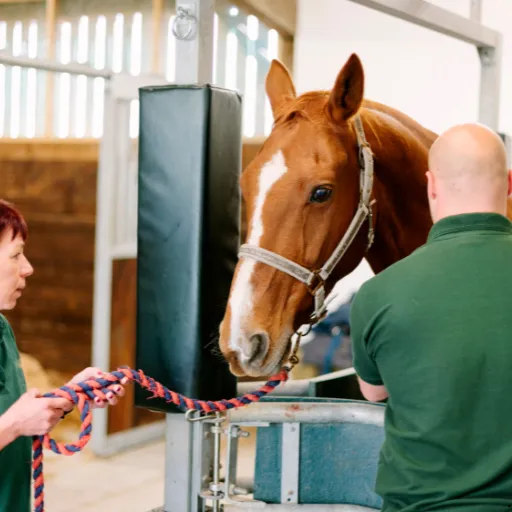
The ICTQual Level 3 Diploma in Veterinary Nursing (Equine) is a specialized qualification designed for learners who wish to build advanced skills in equine healthcare. This program provides a strong foundation in veterinary nursing practices with a focus on horses, preparing learners to deliver professional care in clinical and field environments. It emphasizes both theoretical knowledge and practical application to ensure learners are confident in supporting veterinary teams.

Throughout the course, learners explore key areas such as equine anatomy and physiology, patient assessment, surgical preparation, wound management, and post‑operative care. Training also covers essential topics like infection control, nutrition, pharmacology, and ethical responsibilities. By combining classroom learning with practical scenarios, the diploma ensures learners develop competence in handling horses safely and compassionately while meeting professional standards.

Graduates of this qualification are well‑positioned to pursue careers in equine veterinary practices, animal hospitals, rehabilitation centers, and equine welfare organizations. The diploma also serves as a pathway to higher‑level veterinary studies and specialized roles within the equine care industry. With a focus on professionalism, empathy, and technical expertise, learners are prepared to contribute meaningfully to the health and wellbeing of horses.

Course Content

Detailed Curriculum Structure

This qualification, the ICTQual Level 3 Diploma in Veterinary Nursing (Equine), consists of 6 mandatory units.

  1. Equine Anatomy, Physiology, and Basic Pathology
  2. Equine Patient Care and Clinical Nursing Skills
  3. Equine Anaesthesia Support and Surgical Preparation
  4. Pharmacology, Medicines Administration, and Record‑Keeping
  5. Equine Rehabilitation, Preventive Healthcare, and Welfare
  6. Professional Practice, Communication, and Teamwork in Veterinary Nursing

Learning Objectives

Learning Outcomes for the ICTQual Level 3 Diploma in Veterinary Nursing (Equine):

Equine Anatomy, Physiology, and Basic Pathology

  • Identify the major anatomical structures of the horse, including skeletal and muscular systems
  • Explain the basic physiological functions of equine body systems (respiratory, circulatory, digestive)
  • Recognise common equine diseases and disorders affecting health and performance
  • Describe how pathology impacts equine welfare and clinical outcomes
  • Apply anatomical knowledge to patient assessment and nursing interventions
  • Understand the relationship between nutrition, physiology, and equine health
  • Demonstrate awareness of disease prevention through basic pathology knowledge
  • Relate anatomy and physiology to safe handling and clinical procedures

Equine Patient Care and Clinical Nursing Skills

  • Carry out routine patient care including grooming, feeding, and monitoring vital signs
  • Assist with equine handling and restraint techniques safely and effectively
  • Provide nursing support for hospitalised horses, ensuring welfare and comfort
  • Record patient observations accurately in line with professional standards
  • Recognise signs of pain, distress, or illness in equine patients
  • Apply infection control and hygiene practices in equine nursing environments
  • Support veterinary surgeons during examinations and minor procedures
  • Communicate effectively with owners about patient care and welfare needs

Equine Anaesthesia Support and Surgical Preparation

  • Prepare equine patients for anaesthesia and surgical procedures
  • Assist with monitoring vital signs during anaesthesia under supervision
  • Maintain aseptic techniques in theatre environments
  • Prepare surgical instruments and equipment for equine procedures
  • Support recovery and post‑operative care of equine patients
  • Recognise risks associated with anaesthesia and surgery at Level 3 practice
  • Apply safe handling techniques during surgical preparation and recovery
  • Record anaesthesia and surgical support activities accurately

Pharmacology, Medicines Administration, and Record‑Keeping

  • Understand the basic principles of equine pharmacology and medicine categories
  • Administer medicines safely under veterinary direction
  • Recognise common drugs used in equine practice and their effects
  • Apply correct dosage, storage, and disposal procedures for medicines
  • Maintain accurate medicine records in compliance with regulations
  • Promote responsible medicine use and awareness of antimicrobial resistance
  • Communicate clearly with owners about medicine administration and safety
  • Follow legal and ethical guidelines for medicine handling in veterinary practice

Equine Rehabilitation, Preventive Healthcare, and Welfare

  • Assist in rehabilitation programmes for horses recovering from injury or surgery
  • Support preventive healthcare measures such as vaccination and parasite control
  • Recognise welfare needs and apply ethical principles in equine nursing
  • Promote dental care, hoof care, and nutrition as part of preventive healthcare
  • Monitor progress of rehabilitation and report findings to veterinary staff
  • Educate owners on responsible equine healthcare practices
  • Apply welfare standards in line with national and international guidelines
  • Reflect on the nurse’s role in promoting long‑term equine wellbeing

Professional Practice, Communication, and Teamwork in Veterinary Nursing

  • Demonstrate professional behaviour and responsibility in equine nursing practice
  • Communicate effectively with veterinary surgeons, colleagues, and horse owners
  • Work collaboratively within a veterinary team to support equine healthcare
  • Apply ethical decision‑making in patient care and professional conduct
  • Maintain accurate records and documentation in line with practice standards
  • Reflect on personal strengths and areas for improvement in nursing practice
  • Participate in continuing professional development activities at Level 3
  • Promote the role of veterinary nurses in advancing equine welfare and healthcare

Who Should Attend

Target Audience and Participants

  • Aspiring veterinary nurses who want to specialize in equine care
  • Animal care professionals seeking advanced horse‑specific nursing skills
  • Individuals working in equine clinics, hospitals, or rehabilitation centers
  • Horse owners and equestrian enthusiasts aiming to formalize their care knowledge
  • Veterinary assistants wishing to progress into equine nursing roles
  • Learners passionate about equine welfare and patient support
  • Career changers interested in entering the equine healthcare field
  • International learners seeking a recognized qualification in equine veterinary nursing

Career & Learning Benefits

Skills, Knowledge & Opportunities You Will Earn

  • Gain advanced skills in equine veterinary nursing and patient care
  • Develop expertise in horse anatomy, physiology, and clinical procedures
  • Learn safe handling, surgical preparation, and post‑operative care for equine patients
  • Strengthen knowledge of equine nutrition, pharmacology, and infection control practices
  • Build confidence in communication with veterinary teams, horse owners, and welfare organizations
  • Enhance employability with a specialized, internationally recognized qualification
  • Access career opportunities in equine clinics, hospitals, rehabilitation centers, and welfare programs
  • Establish a strong foundation for progression into higher‑level veterinary or equine care studies

Need More Information?

Frequently Asked Questions Explained

Learners gain expertise in equine anatomy and physiology, surgical preparation, wound management, post‑operative care, infection control, nutrition, pharmacology, and safe horse handling. Communication, teamwork, and ethical responsibilities are also emphasized.

Graduates can pursue roles such as equine veterinary nurse, animal hospital assistant, rehabilitation support worker, equine welfare officer, or community care assistant. The diploma also provides a foundation for progression into advanced veterinary or equine care qualifications.

Successful learners are awarded the ICTQual Level 3 Diploma in Veterinary Nursing (Equine), a recognized qualification that enhances employability in equine healthcare.

Yes. While it is a specialized qualification, it provides a strong foundation for learners who wish to advance into higher‑level veterinary certifications or specialized equine care training.

Yes, ICTQual qualifications are designed to meet international standards, making them valuable for learners seeking opportunities both locally and abroad. Recognition may vary depending on country and employer requirements.

Enrollment Criteria

Minimum Eligibility Criteria for Enrollment

  • Proficiency in English (reading, writing, speaking)
  • No formal qualifications needed; interest in animal care preferred
  • Empathy, responsibility, and motivation to work with horses
  • Age 18 or above

Lock In Your Spot

Get in Touch

+44 2035 764371

+44 7441 396751

info@ictqual.co.uk

www.inspirecollege.co.uk

Similar Posts