Diploma in Bird Watching Techniques

ICT logo
ICTQual Level 3 Diploma in Bird Watching Techniques

Course Level

Level 3

Course Type

Non- Ofqual

Awarding Body

ICTQual 

Duration

30 Credits Hours

Study Mood

Online

Assessment

Assignments Based

Course Overview

What is this course

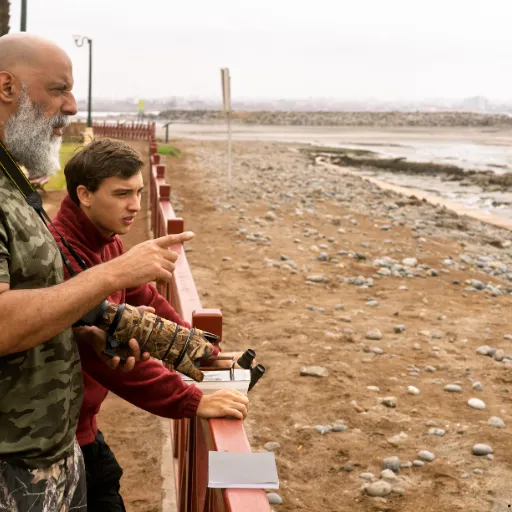
The ICTQual Level 3 Diploma in Bird Watching Techniques is designed for learners who want to develop advanced skills in bird observation, identification, and recording. This qualification provides a structured approach to bird watching, combining theoretical knowledge with practical fieldwork to enhance both professional and personal expertise in ornithology.

Learners will explore topics such as bird behavior, habitats, migration patterns, and conservation principles. The course emphasizes accurate identification techniques, use of field equipment, and methods for documenting observations. It also highlights the importance of ethical bird watching practices and the role of enthusiasts in supporting biodiversity and conservation efforts.

On completion, participants will hold a recognized Level 3 diploma that validates their competence in bird watching techniques. This qualification opens opportunities for careers in conservation, environmental education, ecotourism, and research, while also enriching the experience of hobbyists who wish to take their passion for bird watching to a professional level.

Course Content

Detailed Curriculum Structure

This qualification, the ICTQual Level 3 Diploma in Bird Watching Techniques, consists of 6 mandatory units.

  1. Regional Ornithology Studies
  2. Survey Methodologies
  3. Data Analysis and Interpretation
  4. Conservation Awareness and Advocacy
  5. Fieldwork Safety and Risk Management
  6. Project Work in Bird Watching

Learning Objectives

Learning Outcomes for the ICTQual Level 3 Diploma in Bird Watching Techniques:

Regional Ornithology Studies

  • Identify bird species unique to specific regions and understand their ecological significance.
  • Analyze migratory patterns and seasonal variations across different habitats.
  • Compare regional biodiversity to highlight conservation priorities.
  • Apply regional knowledge to enhance survey accuracy and ecological awareness.
  • Recognize cultural and environmental factors influencing bird populations in local contexts.

Survey Methodologies

  • Design structured bird surveys using point counts, transects, and timed observations.
  • Select appropriate methodologies based on habitat type and conservation objectives.
  • Implement systematic survey protocols to ensure consistency and reliability.
  • Adapt survey strategies to environmental conditions and species behaviour.
  • Evaluate survey effectiveness through reflection and refinement of techniques.

Data Analysis and Interpretation

  • Organize and manage collected data using standardized formats and digital tools.
  • Apply basic statistical methods to interpret bird distribution and abundance.
  • Identify ecological trends from survey results to support conservation decisions.
  • Present findings clearly through charts, reports, and visual summaries.
  • Ensure data integrity by following ethical and professional standards.

Conservation Awareness and Advocacy

  • Understand threats to bird populations including habitat loss and climate change.
  • Promote ecological awareness through education and community engagement.
  • Advocate for sustainable practices that protect habitats and biodiversity.
  • Support conservation initiatives by contributing data and expertise.
  • Encourage responsible bird watching as a tool for conservation advocacy.

Fieldwork Safety and Risk Management

  • Apply safety protocols during fieldwork in diverse natural environments.
  • Identify potential risks including weather, terrain, and wildlife encounters.
  • Use appropriate equipment safely and responsibly.
  • Develop risk management plans to ensure safe participation in surveys.
  • Promote teamwork and communication to enhance safety in group fieldwork.

Project Work in Bird Watching

  • Plan and execute independent projects focused on bird watching and conservation.
  • Integrate survey methodologies into practical fieldwork assignments.
  • Analyze and present project findings in professional formats.
  • Demonstrate advanced bird identification skills through applied research.
  • Reflect on project outcomes to improve future bird watching practices.

Who Should Attend

Target Audience and Participants

  • Enthusiasts who want to take their bird watching hobby to a professional level.
  • Nature lovers eager to deepen their knowledge of bird species and habitats.
  • Volunteers and staff in wildlife reserves, parks, or conservation projects.
  • Eco‑tourism guides seeking formal training in bird identification and observation.
  • Environmental educators who wish to incorporate bird studies into their teaching.
  • Community members engaged in local biodiversity and conservation initiatives.
  • Students interested in building a foundation for careers in ornithology or ecology.
  • Anyone passionate about birds, conservation, and sustainable wildlife practices.

Career & Learning Benefits

Skills, Knowledge & Opportunities You Will Earn

  • Develop advanced bird identification and observation skills.
  • Gain practical knowledge of bird behavior, habitats, and migration patterns.
  • Learn ethical bird watching practices that support conservation efforts.
  • Improve fieldwork techniques using professional equipment and recording methods.
  • Enhance employability in conservation, eco‑tourism, and environmental education.
  • Build confidence in documenting and reporting bird sightings accurately.
  • Earn a recognized Level 3 diploma validating your expertise in bird watching techniques.
  • Create a pathway for progression into ornithology, ecology, or wildlife management roles.

Need More Information?

Frequently Asked Questions Explained

No formal experience is required. A basic interest in birds, wildlife, or conservation is helpful, but the course is designed to guide learners from foundational techniques to advanced practices.

On successful completion, learners are awarded the ICTQual Level 3 Diploma in Bird Watching Techniques, a recognized qualification that validates competence in bird observation and recording.

It enhances career prospects in conservation, eco‑tourism, environmental education, and research. It also provides credibility for hobbyists who wish to take their bird watching passion to a professional level.

You will learn advanced bird identification techniques, ethical observation practices, accurate documentation methods, and how to use field equipment effectively.

Yes. ICTQual qualifications are designed to meet professional standards and are recognized by many conservation and environmental organizations worldwide.

Enrollment Criteria

Minimum Eligibility Criteria for Enrollment

  • Proficiency in English (reading, writing, speaking)
  • Basic qualification or prior interest in wildlife, ecology, or conservation
  • Passion for bird watching and willingness to engage in fieldwork
  • Age 18 or above

Lock In Your Spot

Get in Touch

+44 2035 764371

+44 7441 396751

info@ictqual.co.uk

www.inspirecollege.co.uk
Similar Posts