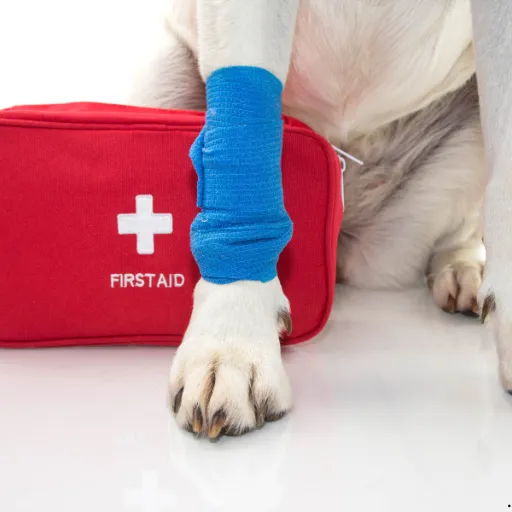
Level 3 Award in Canine First Aid

ICT logo
ICTQual Level 3 Award in Canine First Aid

Course Level

Level 3

Course Type

Non- Ofqual

Awarding Body

ICTQual 

Duration

3 days

Study Mood

Online

Assessment

Assignments Based

Course Overview

What is this course

The ICTQual Level 3 Award in Canine First Aid is designed to provide learners with the essential knowledge and practical skills needed to respond effectively to canine emergencies. This qualification emphasizes the importance of immediate care and intervention, ensuring that dogs receive appropriate first aid before professional veterinary treatment is available.

Participants will gain a thorough understanding of canine anatomy, common injuries, and emergency scenarios such as bleeding, choking, poisoning, fractures, and heatstroke.

By completing this award, learners will be equipped to handle urgent situations with competence and care, enhancing their role in veterinary practices, animal shelters, pet care services, and dog training environments. This qualification not only strengthens professional credibility but also contributes to responsible pet ownership and improved canine wellbeing.

Course Content

Detailed Curriculum Structure

This qualification, the ICTQual Level 3 Award in Canine First Aid, consists of 3 mandatory units.

  1. Canine Anatomy, Physiology, and Common Health Issues
  2. Emergency First Aid Techniques and Canine Life-Saving Procedures
  3. Professional Practice, Safety, and Legal Responsibilities in Canine First Aid

Learning Objectives

Learning Outcomes for the ICTQual Level 3 Award in Canine First Aid:

Canine Anatomy, Physiology, and Common Health Issues

  • Understand the basic anatomy and physiological systems of dogs.
  • Identify normal and abnormal behavior indicating potential health problems.
  • Recognize common health issues and medical conditions affecting dogs.
  • Understand how age, breed, and size can influence a dog’s health and first aid needs.
  • Learn to assess vital signs, including heart rate, respiration, and temperature.
  • Recognize signs of pain, distress, or illness in dogs.
  • Understand how injuries or illness impact overall canine physiology.
  • Develop awareness of preventative measures to reduce risks of injury or illness.

Emergency First Aid Techniques and Canine Life-Saving Procedures

  • Learn to respond effectively to canine emergencies and injuries.
  • Gain practical skills in performing CPR on dogs of different sizes.
  • Understand how to manage choking, bleeding, fractures, and shock.
  • Learn safe handling and restraint techniques during first aid procedures.
  • Develop competence in assessing and prioritizing injuries in emergency situations.
  • Understand post-emergency care and monitoring until veterinary help is available.
  • Recognize when and how to seek professional veterinary assistance.
  • Build confidence in applying first aid skills in real-life scenarios.

Professional Practice, Safety, and Legal Responsibilities in Canine First Aid

  • Understand the legal responsibilities and ethical considerations when providing canine first aid.
  • Learn professional conduct standards in animal care and emergency situations.
  • Develop effective communication skills with pet owners, colleagues, and veterinary staff.
  • Understand hygiene, infection control, and safety measures during first aid.
  • Recognize the importance of record-keeping and documentation of incidents.
  • Learn to manage risks to ensure safety for both the dog and handler.
  • Develop awareness of continuous professional development and best practice guidelines.
  • Build confidence in providing first aid within the scope of training while maintaining animal welfare standards.

Who Should Attend

Target Audience and Participants

  • Dog owners who want to be prepared for emergencies
  • Veterinary assistants and support staff seeking certified skills
  • Animal shelter and rescue workers handling dogs daily
  • Professional dog trainers and handlers ensuring canine safety
  • Pet groomers and boarding staff responsible for dog care
  • Breeders aiming to meet welfare and safety standards
  • Dog walkers and pet sitters wanting to enhance service quality
  • Students or professionals pursuing careers in animal care and welfare

Career & Learning Benefits

Skills, Knowledge & Opportunities You Will Earn

  • Earn a recognized Level 3 qualification in canine first aid
  • Acquire practical skills to manage dog emergencies effectively
  • Learn to treat bleeding, choking, poisoning, fractures, and heatstroke
  • Build confidence to act quickly in urgent situations involving dogs
  • Strengthen knowledge of canine anatomy and emergency response techniques
  • Enhance employability in veterinary, pet care, and animal welfare sectors
  • Gain hands‑on experience through guided demonstrations and practice sessions
  • Contribute to responsible pet ownership and improved canine wellbeing
  • Develop professional credibility with accredited certification
  • Improve ability to recognize early signs of illness or distress in dogs
  • Be prepared to provide immediate care before veterinary assistance arrives
  • Stand out in the animal care industry with specialized first aid expertise

Need More Information?

Frequently Asked Questions Explained

No advanced academic background is required. A genuine interest in animal care and the ability to follow practical instructions are sufficient. Prior experience in handling dogs is helpful but not mandatory.

Learners will develop the ability to recognize signs of distress, manage emergencies such as bleeding, choking, poisoning, fractures, and heatstroke, and apply safe and effective first aid techniques.

This qualification enhances employability in veterinary clinics, animal shelters, pet grooming businesses, dog training centers, and pet care services. It also benefits dog owners who want to be prepared for emergencies.

First aid can save lives, reduce suffering, and stabilize dogs until veterinary care is available. It is a vital skill for anyone responsible for canine wellbeing.

Yes, the ICTQual Level 3 Award is an accredited qualification recognized for its compliance with professional standards in animal welfare and emergency care.

Enrollment Criteria

Minimum Eligibility Criteria for Enrollment

  • Proficiency in English (reading, writing, speaking)
  • Basic educational background preferred (animal care or related field)
  • Ability to follow practical instructions and safety guidelines
  • Age 16 or above

Lock In Your Spot

Get in Touch

+44 2035 764371

+44 7441 396751

info@ictqual.co.uk

www.inspirecollege.co.uk

Similar Posts