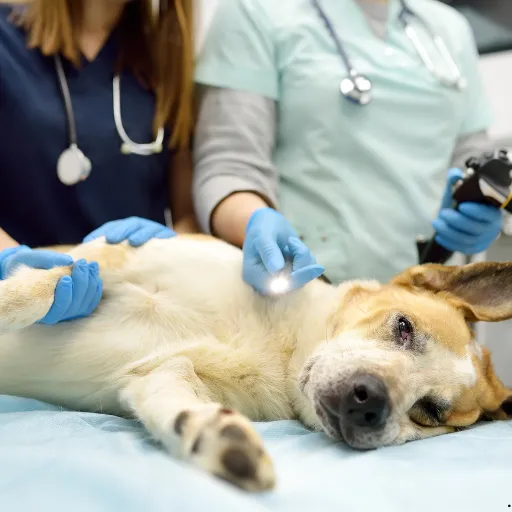
Assisting Veterinary Surgeons in Monitoring Anaesthetised & Sedated Companion Animals

ICT logo
ICTQual Level 2 Certificate in Assisting Veterinary Surgeons in Monitoring Anaesthetised and Sedated Companion Animals

Course Level

Level 2

Course Type

Non- Ofqual

Awarding Body

ICTQual 

Duration

10 days

Study Mood

Online

Assessment

Assignments Based

Course Overview

What is this course

The ICTQual Level 2 Certificate in Assisting Veterinary Surgeons in Monitoring Anaesthetised and Sedated Companion Animals is designed to provide learners with the essential knowledge and practical skills required to support veterinary teams during anaesthetic and sedation procedures. This qualification focuses on safe monitoring practices, animal welfare, and the responsibilities of veterinary assistants in clinical settings.

The course covers key areas such as understanding anaesthesia and sedation, recognizing vital signs, monitoring equipment usage, and responding to changes in patient condition. Learners will gain confidence in assisting veterinary surgeons by applying structured protocols, ensuring safety, and maintaining accurate records throughout procedures.

By completing this certificate, participants will be prepared to work effectively in veterinary practices, animal hospitals, and clinical environments. The qualification enhances employability, supports professional development, and contributes to higher standards of companion animal care during surgical and medical interventions.

Course Content

Detailed Curriculum Structure

This qualification, the ICTQual Level 2 Certificate in Assisting Veterinary Surgeons in Monitoring Anaesthetised and Sedated Companion Animals, consists of 3 mandatory units.

  1. Principles of Anaesthesia and Sedation in Companion Animals
  2. Monitoring Techniques and Animal Safety During Procedures
  3. Professional Practice, Ethics, and Communication in Veterinary Support

Learning Objectives

Learning Outcomes for the ICTQual Level 2 Certificate in Assisting Veterinary Surgeons in Monitoring Anaesthetised and Sedated Companion Animals:

Principles of Anaesthesia and Sedation in Companion Animals

  • Understand the basic principles of anaesthesia and sedation for dogs, cats, and other companion animals.
  • Learn the different types of anaesthetic and sedative agents used in veterinary practice.
  • Recognize the physiological effects of anaesthesia and sedation on various animal species.
  • Understand pre-operative preparation, including animal assessment and risk factors.
  • Learn the importance of accurate dosage calculation and administration under supervision.
  • Recognize signs of adverse reactions or complications during anaesthesia or sedation.
  • Gain knowledge of recovery processes and post-procedure monitoring requirements.
  • Develop confidence in assisting veterinary professionals during anaesthetic and sedative procedures.

Monitoring Techniques and Animal Safety During Procedures

  • Learn to monitor vital signs including heart rate, respiration, and body temperature during procedures.
  • Understand the use of monitoring equipment and interpretation of readings.
  • Recognize early warning signs of distress or complications in anaesthetised animals.
  • Apply safe handling and restraint techniques during monitoring.
  • Develop the ability to assist with emergency procedures under supervision.
  • Understand the importance of maintaining a sterile and safe environment during procedures.
  • Learn to document observations accurately and report changes promptly to veterinary staff.
  • Gain practical skills to support animal safety and welfare during surgical and diagnostic procedures.

Professional Practice, Ethics, and Communication in Veterinary Support

  • Develop effective communication skills with veterinary surgeons, nurses, and clients.
  • Understand ethical principles and responsibilities when working with anaesthetised or sedated animals.
  • Learn to maintain confidentiality and comply with data protection regulations.
  • Develop professionalism, reliability, and attention to detail in a veterinary environment.
  • Understand legal and regulatory requirements related to veterinary support and animal care.
  • Learn to work collaboratively within a veterinary team to ensure smooth operation and patient safety.
  • Recognize the importance of continuous professional development and reflective practice.
  • Gain confidence in applying professional standards and ethical considerations to everyday veterinary support tasks.

Who Should Attend

Target Audience and Participants

  • Aspiring veterinary assistants seeking foundational clinical skills
  • Animal care workers aiming to support veterinary teams in practice
  • Kennel and cattery staff interested in expanding into clinical roles
  • Pet care professionals wishing to gain knowledge in anaesthesia monitoring
  • Veterinary receptionists or support staff looking to progress into hands‑on care
  • Shelter and rescue center staff involved in companion animal health
  • Students pursuing entry‑level qualifications in animal care and welfare
  • Individuals passionate about animal wellbeing and safe veterinary procedures

Career & Learning Benefits

Skills, Knowledge & Opportunities You Will Earn

  • Gain accredited certification in veterinary support and anaesthesia monitoring
  • Develop essential skills to assist surgeons during sedation and anaesthetic procedures
  • Learn to recognize vital signs and respond effectively to patient needs
  • Acquire knowledge of monitoring equipment and safe handling practices
  • Enhance employability in veterinary clinics, hospitals, and animal care facilities
  • Build confidence in supporting surgical teams and ensuring animal welfare
  • Strengthen professional credibility with a recognized Level 2 qualification
  • Contribute to higher standards of companion animal care and safety

Need More Information?

Frequently Asked Questions Explained

No advanced academic background is required. A basic interest in animal care and the ability to follow instructions are sufficient. Prior exposure to veterinary or animal care settings is helpful but not mandatory.

Learners will understand anaesthesia and sedation principles, recognize vital signs, use monitoring equipment, assist veterinary surgeons during procedures, and maintain accurate patient records.

Graduates can work in veterinary clinics, animal hospitals, pet care facilities, or shelters. The qualification enhances employability in entry‑level veterinary support roles and strengthens professional credibility.

Monitoring ensures patient safety, reduces risks during procedures, and promotes animal welfare. Proper support allows veterinary surgeons to focus on treatment while assistants safeguard the wellbeing of companion animals.

Yes, the ICTQual Level 2 Certificate is an accredited qualification recognized for its compliance with professional standards in veterinary support and animal welfare.

Enrollment Criteria

Minimum Eligibility Criteria for Enrollment

  • Proficiency in English (reading, writing, speaking)
  • Interest in veterinary support and companion animal welfare
  • Basic educational background preferred (animal care or related field)
  • Age 16 or above

Lock In Your Spot

Get in Touch

+44 2035 764371

+44 7441 396751

info@ictqual.co.uk

www.inspirecollege.co.uk
Similar Posts