I-CERT Lean Six Sigma White Belt Certification
Start Your Journey with I-CERT Lean Six Sigma White Belt
Course Level
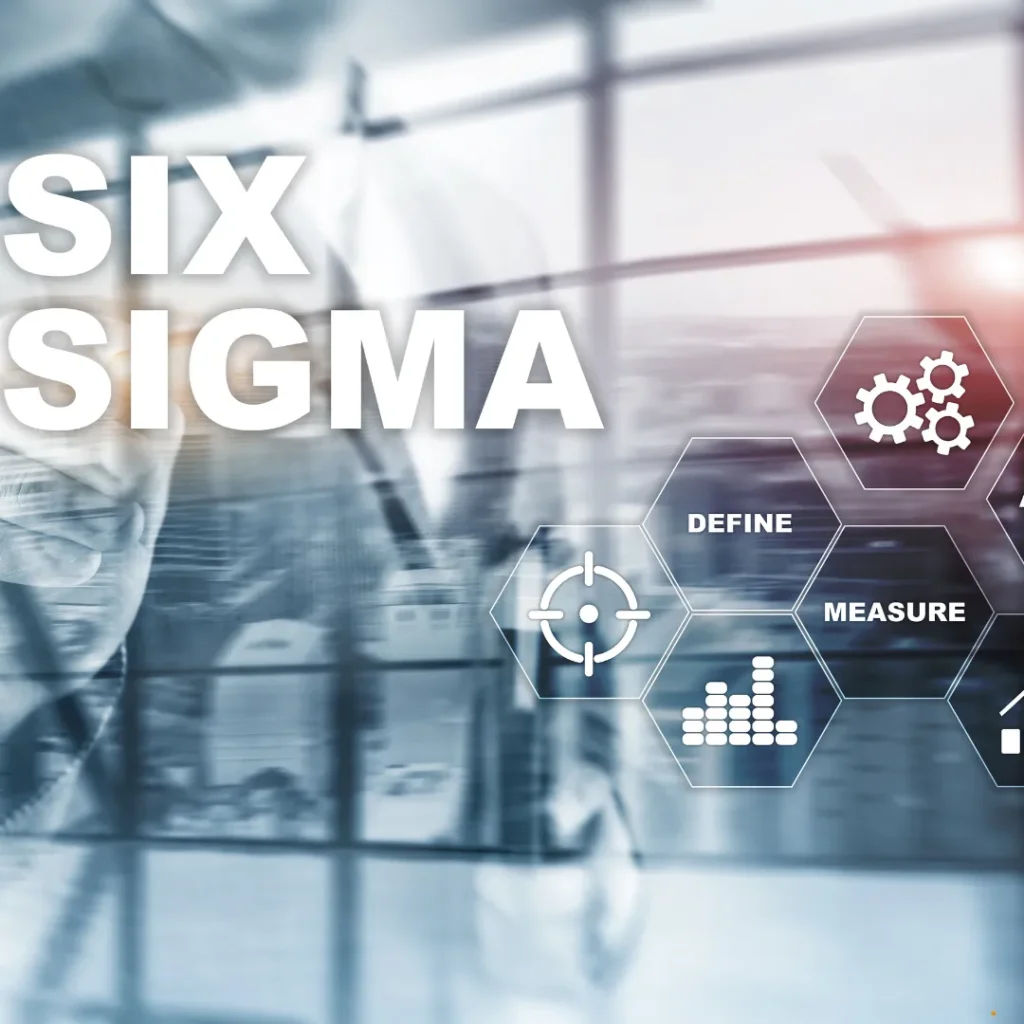
Six Sigma
Course Type
Non- Ofqual
Awarding Body
ICTQual
Duration
6 to 8 hours
Study Mood
Online
Assessment
Assignments Based
Course Overview
What is this course
The I-CERT Lean Six Sigma White Belt Certification is the perfect starting point for anyone interested in learning the fundamentals of Lean Six Sigma. This entry-level program introduces the core concepts of process improvement, efficiency, and quality management in a way that is simple, practical, and easy to understand. It is designed to help learners build a strong foundation before progressing to more advanced levels of Lean Six Sigma training.
Through this certification, participants gain insights into the principles of Lean thinking and Six Sigma methodology. The course explains how organizations use these tools to reduce waste, improve productivity, and deliver better results. Learners will understand the importance of teamwork, problem-solving, and data-driven decision-making, all of which are essential skills in today’s competitive workplace. The program is structured to be user-friendly, making it accessible to professionals from any industry or background.
Completing the White Belt Certification provides valuable knowledge that can be applied immediately in the workplace. It enhances career prospects by demonstrating a commitment to continuous improvement and quality excellence. Whether you are new to process management or looking to strengthen your professional profile, the I-CERT Lean Six Sigma White Belt Certification offers a recognized credential that sets you apart and prepares you for future growth.
Course Content
Detailed Curriculum Structure
This qualification, the I-CERT Lean Six Sigma White Belt Certification, comprises three modules. To successfully achieve the certification, learners are required to complete an online multiple-choice question (MCQ) assessment, designed to evaluate their understanding of Lean and Six Sigma awareness and fundamental concepts, with a minimum passing score of 60%.
Who Should Attend
Target Audience and Participants
The I-CERT Lean Six Sigma White Belt Certification is designed for individuals who want to build a strong foundation in Lean Six Sigma principles and understand the basics of process improvement. It is suitable for professionals at all levels who are eager to enhance efficiency and quality in their workplace.
- Beginners interested in Lean Six Sigma fundamentals
- Professionals from healthcare, manufacturing, IT, and service industries
- Team members supporting process improvement initiatives
- Supervisors and junior managers seeking structured problem-solving skills
- Quality assurance staff aiming to strengthen their knowledge base
- Students and fresh graduates exploring career opportunities in management
- Consultants looking to expand their expertise in efficiency tools
- Engineers and technical staff involved in operational processes
- Anyone aspiring to gain an internationally recognized entry-level credential
Career & Learning Benefits
Skills, Knowledge & Opportunities You Will Earn
The I-CERT Lean Six Sigma White Belt Certification offers valuable career and learning benefits by equipping learners with practical knowledge of Lean Six Sigma concepts. It helps professionals understand how organizations achieve efficiency, reduce waste, and improve quality.
- Gain a globally recognized entry-level Lean Six Sigma credential
- Understand the basics of process improvement and quality management
- Build confidence in teamwork and structured problem-solving
- Enhance career prospects with a strong foundation in Lean Six Sigma
- Learn how organizations reduce waste and improve productivity
- Strengthen analytical and decision-making skills for workplace success
- Improve employability by demonstrating commitment to continuous improvement
- Prepare for advanced Lean Six Sigma certifications and career growth
- Contribute effectively to organizational efficiency and customer satisfaction
Need More Information?
Frequently Asked Questions Explained
Enrollment Criteria
Minimum Eligibility Criteria for Enrollment
Lock In Your Spot
Get in Touch
+44 2035 764371
+44 7441 396751
info@ictqual.co.uk
www.inspirecollege.co.uk