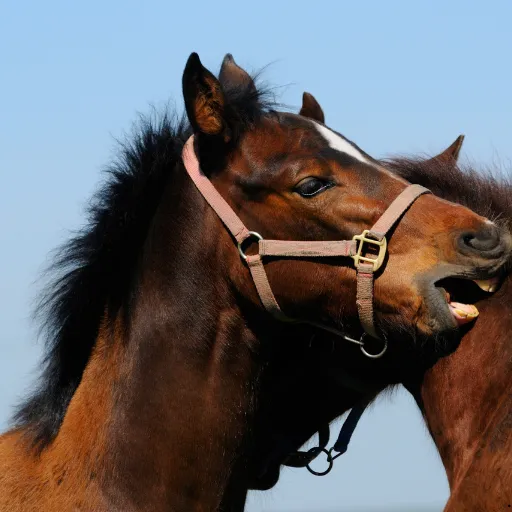
ICTQual Level 6 Diploma in Animal Behavior and Adaptations

ICT logo
ICTQual Level 6 Diploma in Animal Behavior and Adaptations

Course Level

Level 6

Course Type

Non- Ofqual

Awarding Body

ICTQual 

Duration

60 Credits

Study Mood

Online

Assessment

Assignments Based

Course Overview

What is this course

The ICTQual Level 6 Diploma in Animal Behavior and Adaptations provides advanced knowledge of how animals interact with their environments, communicate, and develop survival strategies. Learners explore the scientific foundations of animal behavior, including instinct, learning, social structures, and ecological adaptations that shape species survival.

This diploma emphasizes both theoretical understanding and practical application. Topics include behavioral ecology, evolutionary adaptations, predator-prey dynamics, reproductive strategies, and environmental influences on animal behavior. Case studies and applied learning activities highlight how animals adapt to changing ecosystems and human impacts.

By completing this qualification, learners gain expertise valuable for careers in wildlife management, conservation, research, and animal welfare. The diploma also serves as a pathway to specialized study in zoology, ethology, and ecological sciences, empowering participants to contribute meaningfully to animal care, biodiversity protection, and sustainable environmental practices.

Course Content

Detailed Curriculum Structure

This qualification, the ICTQual Level 6 Diploma in Animal Behavior and Adaptations, consists of 6 mandatory units.

  1. Neurobiology of Behavior
  2. Behavioral Plasticity
  3. Adaptations in Social Insects
  4. Quantitative Analysis of Behavior
  5. Conservation Psychology
  6. Independent Research Project

Learning Objectives

Learning Outcomes for the ICTQual Level 6 Diploma in Animal Behavior and Adaptations:

Neurobiology of Behavior

  • Explain the neurological mechanisms underlying animal behavior and adaptation.
  • Describe the role of brain structures, neurotransmitters, and hormones in behavioral regulation.
  • Identify examples of neurological processes influencing learning, memory, and social interaction.
  • Analyze case studies linking neurobiology to complex behavioral responses.
  • Evaluate the impact of neurological research on animal welfare and conservation.

Behavioral Plasticity

  • Explain the concept of behavioral plasticity and its role in adaptation.
  • Describe how animals modify behavior in response to environmental changes.
  • Identify examples of plasticity in feeding, reproduction, and migration strategies.
  • Analyze the long‑term ecological significance of behavioral flexibility.
  • Evaluate the role of plasticity in resilience to climate change and human impact.

Adaptations in Social Insects

  • Explain the behavioral adaptations that support survival in social insect colonies.
  • Describe communication systems such as pheromones, dances, and cooperative tasks.
  • Identify examples of division of labor and collective decision‑making.
  • Analyze case studies of social insects in ecological balance and biodiversity.
  • Evaluate the importance of social insect adaptations in agriculture and conservation.

Quantitative Analysis of Behavior

  • Explain the principles of quantitative methods in behavioral research.
  • Describe statistical tools for analyzing animal behavior data.
  • Identify techniques for measuring frequency, duration, and intensity of behaviors.
  • Apply quantitative approaches to evaluate ecological and welfare outcomes.
  • Evaluate the reliability and validity of behavioral data analysis.

Conservation Psychology

  • Explain the psychological principles influencing human attitudes toward conservation.
  • Describe strategies for promoting sustainable behavior and wildlife protection.
  • Identify examples of community engagement in conservation initiatives.
  • Analyze the role of psychology in reducing human–wildlife conflict.
  • Evaluate the effectiveness of conservation campaigns using behavioral insights.

Independent Research Project

  • Design and conduct an independent research project in animal behavior and adaptations.
  • Apply advanced methods of data collection, analysis, and interpretation.
  • Demonstrate critical thinking and problem‑solving in addressing research questions.
  • Present findings in a structured, professional format with clear conclusions.
  • Evaluate the ethical and practical implications of independent research.

Who Should Attend

Target Audience and Participants

  • Wildlife researchers and conservation professionals seeking advanced expertise.
  • Zoologists and animal scientists interested in behavioral ecology.
  • Animal welfare specialists aiming to understand adaptive behaviors.
  • Environmental and ecological consultants working with biodiversity projects.
  • Educators and trainers in zoology, ethology, or environmental sciences.
  • Professionals in wildlife management and habitat preservation.
  • Individuals passionate about animal behavior, survival strategies, and adaptation.
  • Learners preparing for specialized roles in research, conservation, or animal care.

Career & Learning Benefits

Skills, Knowledge & Opportunities You Will Earn

  • Gain advanced expertise in animal behavior and ecological adaptations.
  • Understand evolutionary strategies and survival mechanisms across species.
  • Develop skills to analyze predator-prey dynamics and social structures.
  • Strengthen knowledge of environmental influences on animal behavior.
  • Enhance career opportunities in research, conservation, and wildlife management.
  • Build confidence in applying behavioral science to real-world contexts.
  • Contribute to biodiversity protection and sustainable environmental practices.
  • Establish a strong foundation for further specialization in zoology and ethology.

Need More Information?

Frequently Asked Questions Explained

No formal experience is required, but a strong interest in animal sciences, ecology, or conservation is recommended. The course is designed to support learners at different stages of professional or personal engagement with animal studies.

You will develop expertise in analyzing animal behavior, interpreting ecological adaptations, applying behavioral science to conservation, and contributing to biodiversity protection.

Graduates can pursue roles in wildlife management, conservation projects, animal welfare organizations, ecological consultancy, and research. It also provides a strong foundation for further specialization in zoology, ethology, and ecological sciences.

Yes, learners who successfully complete the course requirements will be awarded the ICTQual Level 6 Diploma in Animal Behavior and Adaptations, formally recognizing their achievement.

Yes, the ICTQual Level 6 Diploma is accredited and internationally recognized. It is valued by conservation groups, NGOs, and research organizations worldwide.

Enrollment Criteria

Minimum Eligibility Criteria for Enrollment

  • Proficiency in English (reading, writing, speaking)
  • Prior learning in animal sciences, ecology, or equivalent preferred
  • Strong interest in animal behavior, adaptations, and conservation
  • Age 19 or above

Lock In Your Spot

Get in Touch

+44 2035 764371

+44 7441 396751

info@ictqual.co.uk

www.inspirecollege.co.uk

Similar Posts