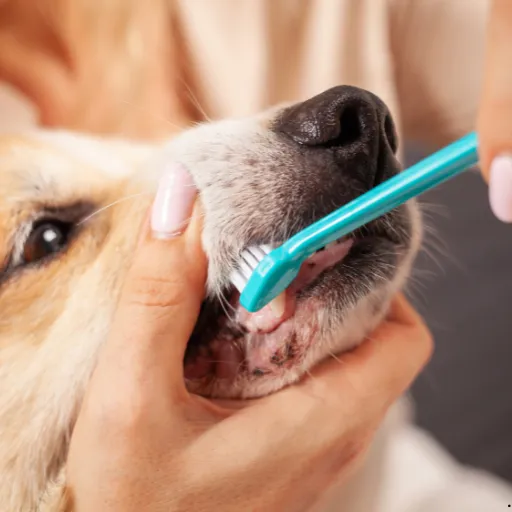
Preventative Canine Dental Care and Oral Hygiene 

ICT logo
ICTQual Level 3 Award in Preventative Canine Dental Care and Oral Hygiene 

Course Level

Level 3

Course Type

Non- Ofqual

Awarding Body

ICTQual 

Duration

3 days

Study Mood

Online

Assessment

Assignments Based

Course Overview

What is this course

The ICTQual Level 3 Award in Preventative Canine Dental Care and Oral Hygiene is designed to equip learners with the essential knowledge and skills required to maintain and promote canine oral health. This qualification emphasizes preventative care, helping reduce the risk of dental disease and ensuring dogs enjoy better overall wellbeing.

The course explores canine dental anatomy, common oral health issues, and effective hygiene practices. Learners will gain practical understanding of how to identify early signs of dental problems, apply safe cleaning techniques, and implement preventative measures that support long‑term oral health. The program also highlights the importance of welfare standards and professional responsibility in canine care.

By completing this award, participants will be prepared to provide high‑quality preventative dental care in professional settings such as veterinary practices, grooming services, training centers, and pet care businesses. This qualification enhances employability, strengthens professional credibility, and contributes to improved standards of canine welfare and responsible pet ownership.

Course Content

Detailed Curriculum Structure

This qualification, the ICTQual Level 3 Award in Preventative Canine Dental Care and Oral Hygiene , consists of 3 mandatory units.

  1. Principles of Canine Oral Anatomy and Dental Health
  2. Preventative Canine Dental Care Techniques and Hygiene Practices
  3. Professional Standards, Welfare, and Legal Framework in Canine Dental Care

Learning Objectives

Learning Outcomes for the ICTQual Level 3 Award in Preventative Canine Dental Care and Oral Hygiene  :

Principles of Canine Oral Anatomy and Dental Health

  • Identify the structure and function of canine teeth, gums, and oral cavity.
  • Distinguish between different types of teeth (incisors, canines, premolars, molars) and their roles.
  • Explain the stages of dental development from puppyhood to adulthood.
  • Recognise common dental and oral health issues such as plaque, tartar, gingivitis, and periodontal disease.
  • Understand the relationship between oral health and overall canine wellbeing.
  • Describe how diet, age, and breed influence oral health.
  • Apply correct terminology when discussing canine oral anatomy with professionals and owners.
  • Assess the impact of poor oral hygiene on long‑term canine health outcomes.

Preventative Canine Dental Care Techniques and Hygiene Practices

  • Demonstrate safe, non‑invasive methods of plaque control and oral hygiene.
  • Apply appropriate brushing techniques and select suitable canine dental products.
  • Recognise early signs of oral disease and advise owners on preventive measures.
  • Incorporate oral hygiene routines into grooming or welfare services.
  • Educate owners on the importance of regular dental care and monitoring.
  • Maintain hygiene standards when handling canine oral care tools and equipment.
  • Adapt preventive techniques to suit different breeds, ages, and temperaments.
  • Record and report observations of oral health concerns to veterinary professionals.

Professional Standards, Welfare, and Legal Framework in Canine Dental Care

  • Understand the boundaries of professional practice under the Veterinary Surgeons Act 1966.
  • Recognise which dental procedures are legally restricted to veterinary surgeons.
  • Apply ethical principles when delivering preventative oral hygiene services.
  • Promote welfare by ensuring all practices are humane, safe, and stress‑free for dogs.
  • Communicate clearly with owners about the scope and limitations of preventative care.
  • Maintain accurate records of oral hygiene practices and observations.
  • Uphold professional standards in client service, confidentiality, and animal welfare.
  • Reflect on personal responsibility and continuous professional development in canine dental care.

Who Should Attend

Target Audience and Participants

  • Dog owners who want to maintain their pets’ oral health
  • Veterinary assistants and support staff seeking certified dental care skills
  • Professional dog groomers responsible for canine hygiene and wellbeing
  • Animal shelter and rescue workers caring for dogs regularly
  • Dog trainers and handlers aiming to promote overall canine wellness
  • Pet sitters and boarding staff ensuring high standards of care
  • Breeders committed to responsible practices and canine welfare
  • Students or professionals pursuing careers in animal care and veterinary services

Career & Learning Benefits

Skills, Knowledge & Opportunities You Will Earn

  • Gain accredited certification in canine dental care and oral hygiene practices
  • Learn to identify early signs of dental disease and oral health issues in dogs
  • Acquire practical skills in safe cleaning and preventative dental techniques
  • Enhance employability in veterinary clinics, grooming services, and pet care businesses
  • Strengthen knowledge of canine dental anatomy and oral health management
  • Build confidence in promoting long‑term wellbeing through preventative care
  • Contribute to higher standards of animal welfare and responsible pet ownership
  • Boost professional credibility with a recognized Level 3 qualification

Need More Information?

Frequently Asked Questions Explained

No advanced academic background is required. A genuine interest in animal welfare and the ability to follow practical instructions are sufficient. Prior experience in handling dogs is helpful but not mandatory.

Learners will understand canine dental anatomy, recognize early signs of oral health issues, and apply safe cleaning and preventative techniques. You will also gain confidence in promoting long‑term dental care practices.

This qualification enhances employability in veterinary clinics, grooming services, pet care businesses, and animal welfare organizations. It also benefits dog owners who want to ensure their pets’ oral health.

Preventative care reduces the risk of dental disease, improves overall health, and enhances quality of life. It ensures dogs remain comfortable, healthy, and free from avoidable oral problems.

Yes, the ICTQual Level 3 Award is an accredited qualification recognized for its compliance with professional standards in animal welfare and preventative care.

Enrollment Criteria

Minimum Eligibility Criteria for Enrollment

  • Proficiency in English (reading, writing, speaking)
  • Basic educational background preferred (animal care or related field)
  • Interest in canine welfare and oral health practices
  • Age 16 or above

Lock In Your Spot

Get in Touch

+44 2035 764371

+44 7441 396751

info@ictqual.co.uk

www.inspirecollege.co.uk
Similar Posts